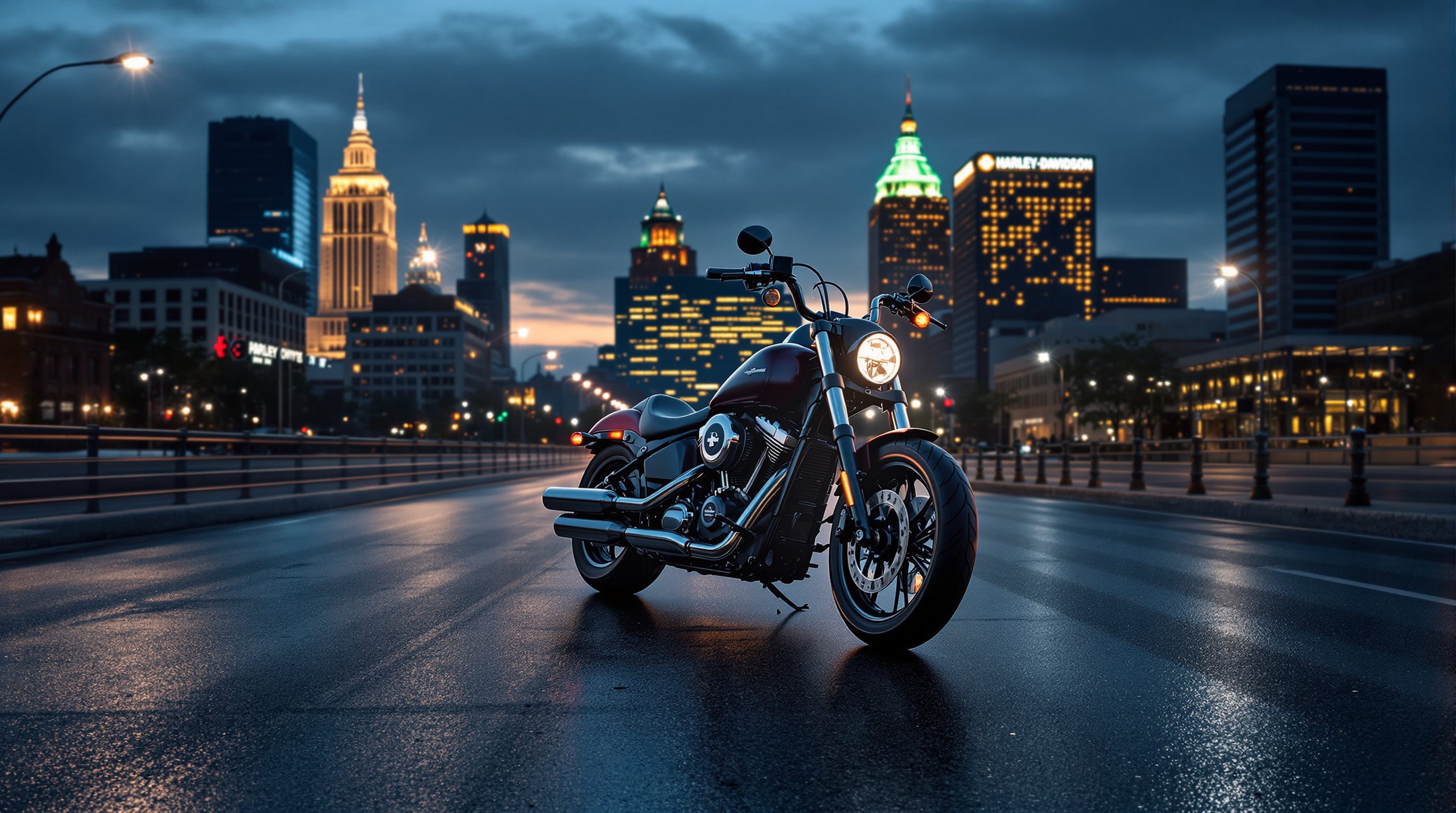
Rideshare Crashes and Motorcyclists in Louisville: Who Pays When an Uber Hits You
Downtown Louisville is thick with Uber and Lyft drivers. Around Fourth Street Live, the KFC Yum Center on event nights, the waterfront, and the bars along Bardstown Road, TNC cars are constantly pulling to the curb, cutting across lanes, and stopping short to grab a rider they just spotted on the app. For someone on a motorcycle, that unpredictable behavior is a real hazard, and when one of those drivers hits you the first question is which insurance policy pays.
The App Phase Decides Which Insurance Applies
Rideshare coverage is not one policy. It flips between three levels depending on what the driver was doing when they hit you. This is the single most important thing to understand about these cases, because the same driver in the same car can be backed by very different money depending on the second the crash happened. With the app off and the driver offline, they are just a regular motorist, and only their personal auto policy applies, which in Kentucky may be as low as the 25/50/25 minimum. With the app on and the driver waiting for a ride request, a limited contingent policy applies, typically lower liability limits that sit above the driver's personal coverage but well short of the full commercial policy. And once the driver is en route to a passenger or on a trip, the big one applies: Uber and Lyft both carry a $1 million third-party liability policy in force from the moment the driver accepts a ride until the passenger is dropped off. That means a crash that looks identical from the saddle can be a minimum-limits case or a million-dollar-coverage case depending on a status most riders cannot see.
The Coverage Gap That Traps Riders
The dangerous zone is the middle phase, when the driver has the app on but has not yet accepted a ride. Drivers are often distracted here, watching the app, chasing a ping, and drifting through lanes. Yet this is exactly when the strongest coverage does not apply. In that waiting period, the rideshare company's contingent coverage is far thinner than the $1 million trip policy, and the driver's personal insurer may try to deny the claim entirely by pointing out the driver was working. You can end up caught between two insurers each arguing the other one should pay. Sorting out the driver's exact status through app records and trip data is what breaks that logjam.
Why a Motorcycle Has No Cushion to Fall Back On
Here is the Kentucky fact that makes a rideshare crash worse for a rider than for a person in a car. Kentucky is a choice no-fault state, and most drivers carry Basic Reparation Benefits of around $10,000 that pay their own early medical bills no matter who was at fault. Motorcycles are excluded from that system. Unless you separately purchased that coverage for your bike, you have no BRB and no automatic first layer of medical coverage, so while the insurers argue over which rideshare policy applies and what phase the driver was in, your medical bills have nothing catching them in the meantime. That is very different from a car occupant, who at least has their own no-fault benefits kicking in while fault gets sorted out. This is why your own uninsured and underinsured motorist coverage matters even in a rideshare crash: if the applicable rideshare coverage turns out to be thin, or a dispute drags on, your UM and UIM coverage can be the backstop that actually pays.
What to Do After a Rideshare Driver Hits You
The evidence that decides which policy pays disappears quickly, so what you do at the scene matters.
- ✓ Note whether the driver had a passenger. Whether they were clearly on a pickup points to the app phase, and get the passenger's information if there was one.
- ✓ Photograph the rideshare markings. The Uber or Lyft placard, the vehicle, and the plate all help establish that it was a TNC trip.
- ✓ Get the police report started. An official record documents the driver's rideshare status at the scene.
- ✓ Save your own timeline. The time of the crash to the minute later gets matched against the app's trip records.
- ✓ Do not accept a quick offer. Wait until the app phase and full coverage picture are confirmed before any insurer settles with you.
Karl Truman and the motorcycle accident lawyers in Louisville at Karl Truman Law represent riders hurt by negligent drivers. If you have questions after a crash, their team is here to help.