Dealing With the Insurance Adjuster After a Kentucky Motorcycle Crash
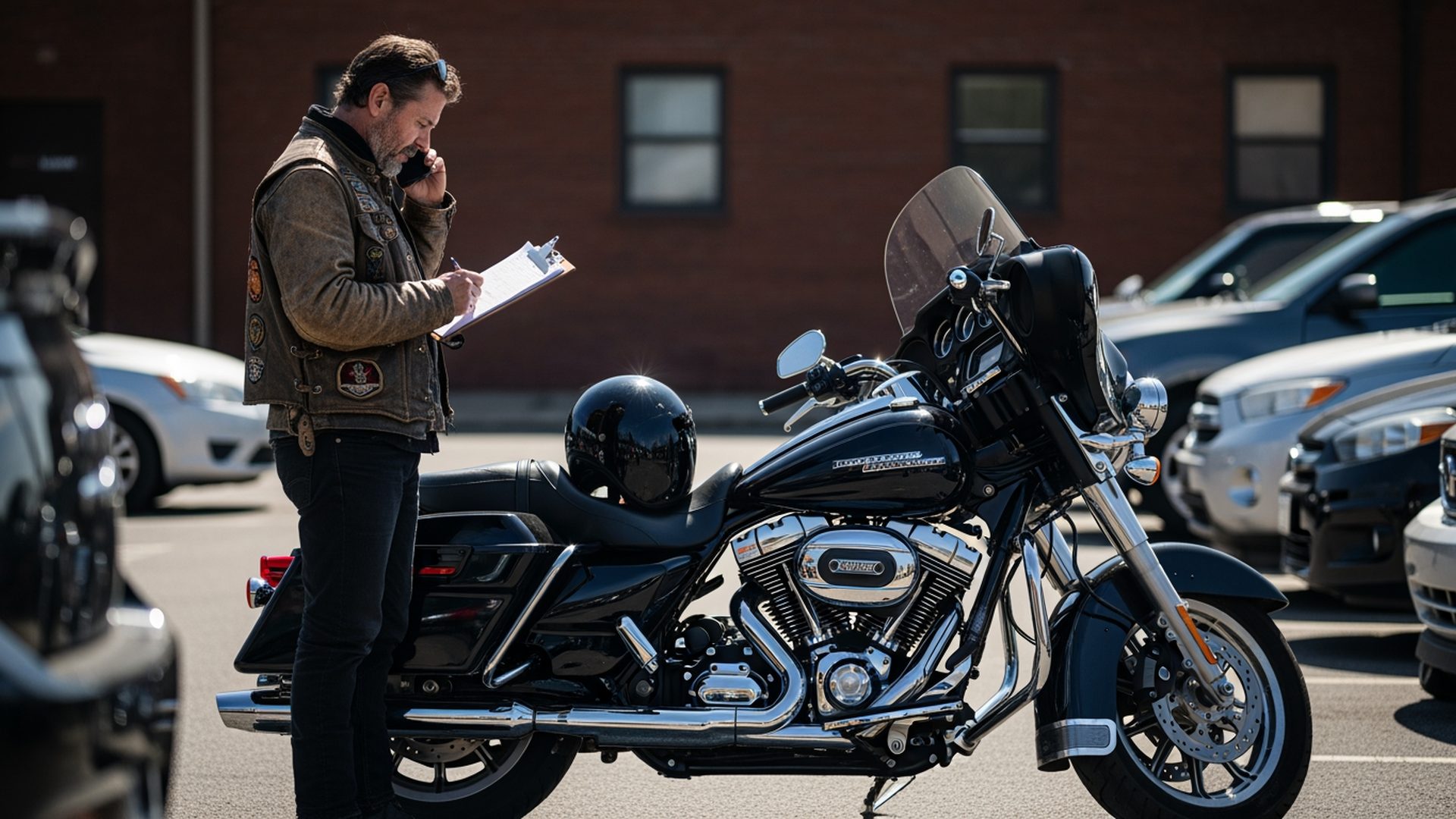
Not long after a Louisville motorcycle crash, your phone rings. The voice on the other end is friendly, sounds concerned, and wants to help you get this handled quickly. That is the insurance adjuster, and it is worth being clear about one thing before you say much: the adjuster works for the insurance company, not for you. Their job is to close your claim for as little as the company can get away with paying.
Understand Whose Side the Adjuster Is On
An adjuster can be perfectly polite and still be working against your interests. Their friendliness is not personal and it is not a favor. It is a job, and the job is to protect the company's money. The sooner you accept that, the easier it is to keep the conversation on your terms instead of theirs. That reframe matters most in the first days after a crash, when you are hurt, stressed, and inclined to trust the person who says they are there to help. You can be courteous and still be careful. The two are not in conflict.
What Not to Say on That First Call
Most of the damage riders do to their own claims happens in the earliest conversations, before they understand the rules. Stick to the basic facts, that the crash happened, the date, and that you are seeking treatment, and leave the detailed account for later, when you have advice. A few things are worth avoiding from the very first call:
- ✓ Do not give a recorded statement. You are not required to, and a recorded statement is often used to lock you into words that get twisted later.
- ✓ Do not guess or speculate. If you do not know a speed or a distance, say you do not know. A guess becomes a fact in their file.
- ✓ Do not say you are fine. Many motorcycle injuries feel worse days later, and "I'm okay" gets quoted back at you when the bills come in.
- ✓ Do not accept blame or apologize. Politeness reads as an admission in an adjuster's notes, and in Kentucky that can cost you real money.
- ✓ Do not agree to a quick settlement. Wait until you know the full extent of your injuries and what your claim is actually worth.
Why "Just Sign Here" Is Rarely in Your Favor
Adjusters move fast for a reason. A quick, low settlement offered while you are still hurting and worried about bills can look like relief. It is usually the cheapest way for the company to close the file before anyone knows how serious the injury is. Two things make early offers especially risky for riders. Motorcycle injuries evolve, so what feels like soreness can turn into something that needs surgery or long-term care, and if you settle early that future treatment comes out of your own pocket. And a settlement is final, so once you sign a release the claim is closed and you cannot go back for more if things get worse. The blank sheet an adjuster wants signed, whether it is a medical authorization or a release, deserves a careful read and often a second opinion before your name goes on it.
The Kentucky Rules That Shape the Conversation
The adjuster knows Kentucky law cold. You should know the basics too, because they are exactly the levers the company will pull. Under pure comparative negligence, your recovery is reduced by your share of fault, which is why an adjuster works so hard to pin blame on the rider, since every point of fault they push onto you lowers what they pay. Motorcycles are excluded from Kentucky no-fault Basic Reparation Benefits, so unless you bought that coverage separately, you have no automatic first layer of medical coverage on the bike, which often makes your own uninsured and underinsured motorist coverage the backstop that matters most. Minimum liability is only 25/50/25, so the driver who hit you may carry the state minimum, which frequently does not cover a serious injury, and that limit shapes what an honest settlement can look like. And the statute of limitations is generally two years from the date of the crash, so an adjuster who keeps the conversation friendly and slow is not always in a hurry to remind you of it. Knowing these keeps you from being surprised by tactics that are built directly on them.
Watch for the Common Tactics
The adjuster's playbook is not a secret once you have seen it. Watch for the rush to record, getting your recorded statement early, while you are rattled, so your words can be used against you later. Watch for the blame shift, suggesting you were speeding, lane splitting, or riding recklessly, because under comparative negligence any fault they assign to you saves them money. Watch for the lowball with a deadline, a small offer framed as available only if you accept now, designed to close the file before your injuries are fully known. And watch for the friendly fishing expedition, casual questions about your day, your activities, or your past injuries, aimed at finding something to minimize your claim. None of these is illegal. All of them are reasons to slow down and get advice before you respond. You do not have to handle the adjuster alone, and for a serious injury you probably should not. Once a lawyer is involved, the adjuster deals with the lawyer, and the pressure comes off you. A simple rule works well: be polite, keep it brief, give only the basic facts, sign nothing, and get advice before the conversation goes any further.
Led by Karl Truman, Karl Truman Law in Louisville fights for injured motorcyclists. Reach out to their Louisville motorcycle injury attorneys anytime you need real answers.