ENGAGEMENT
Mon Nov 9 | 10:00 AM Eastern
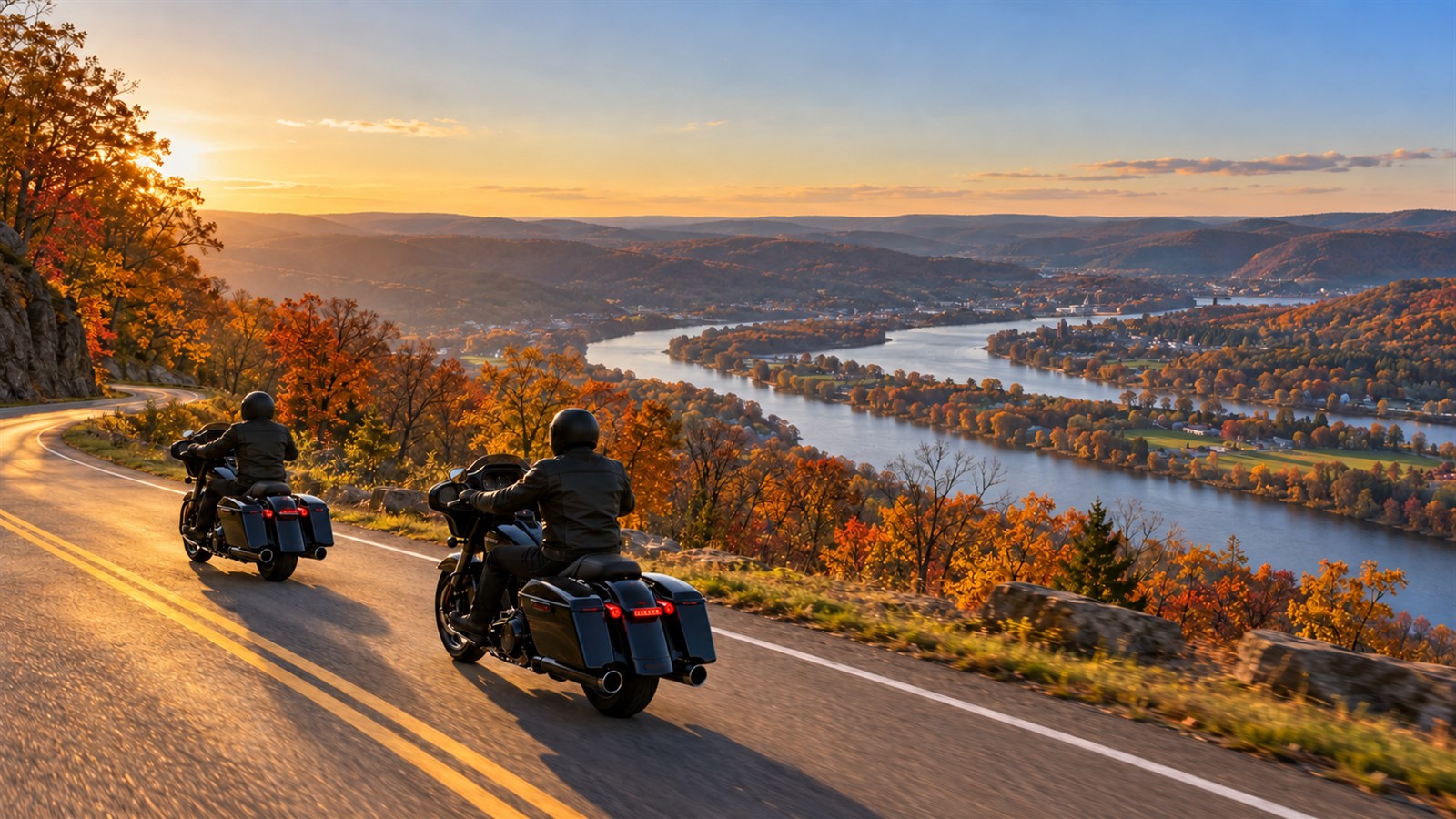
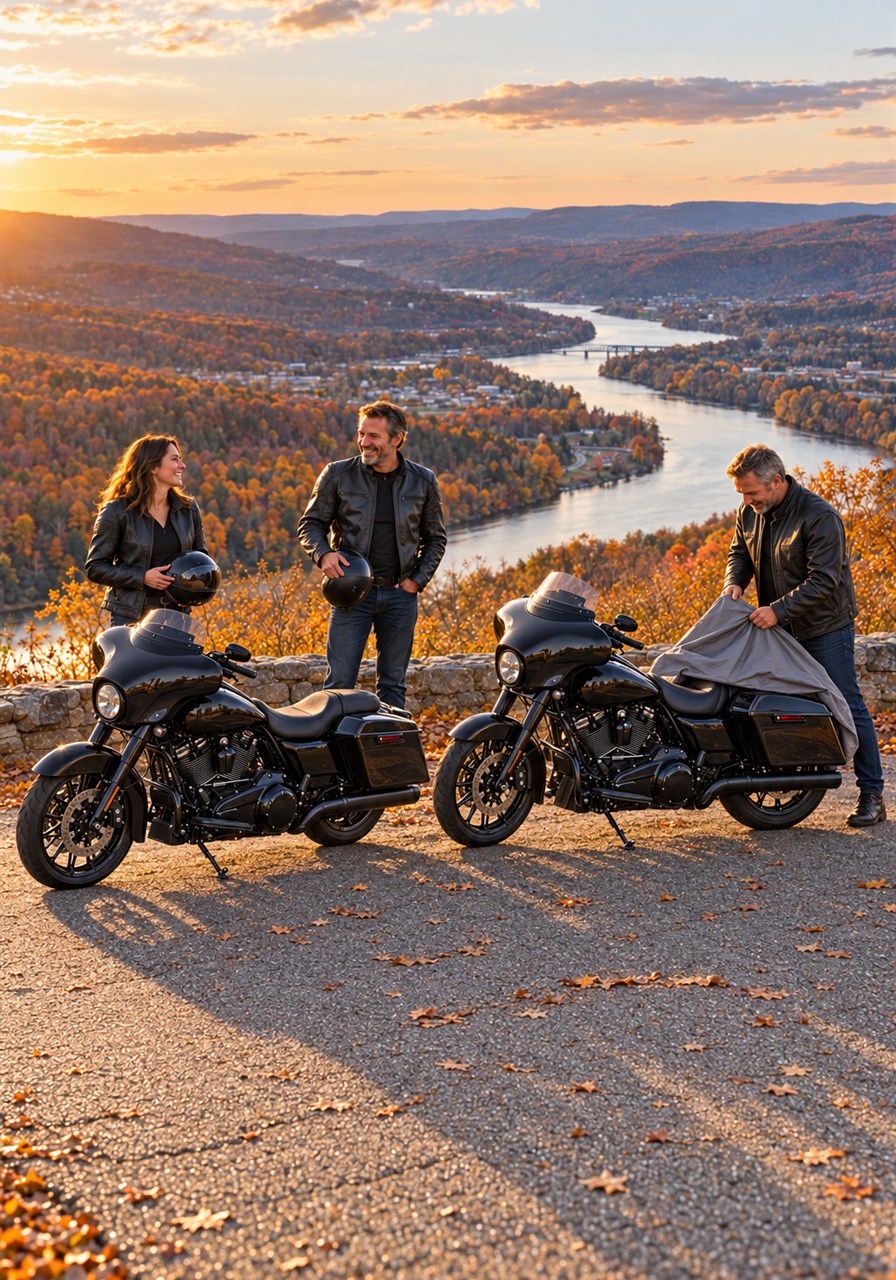
Be honest, Binghamton riders: is your bike already under a cover, or are you squeezing out every last dry day before the snow? Tell us below. #RideNationBinghamton #SouthernTierRiders #MotorcycleLife
SAFETY & NY LAW
Mon Nov 9 | 6:00 PM Eastern
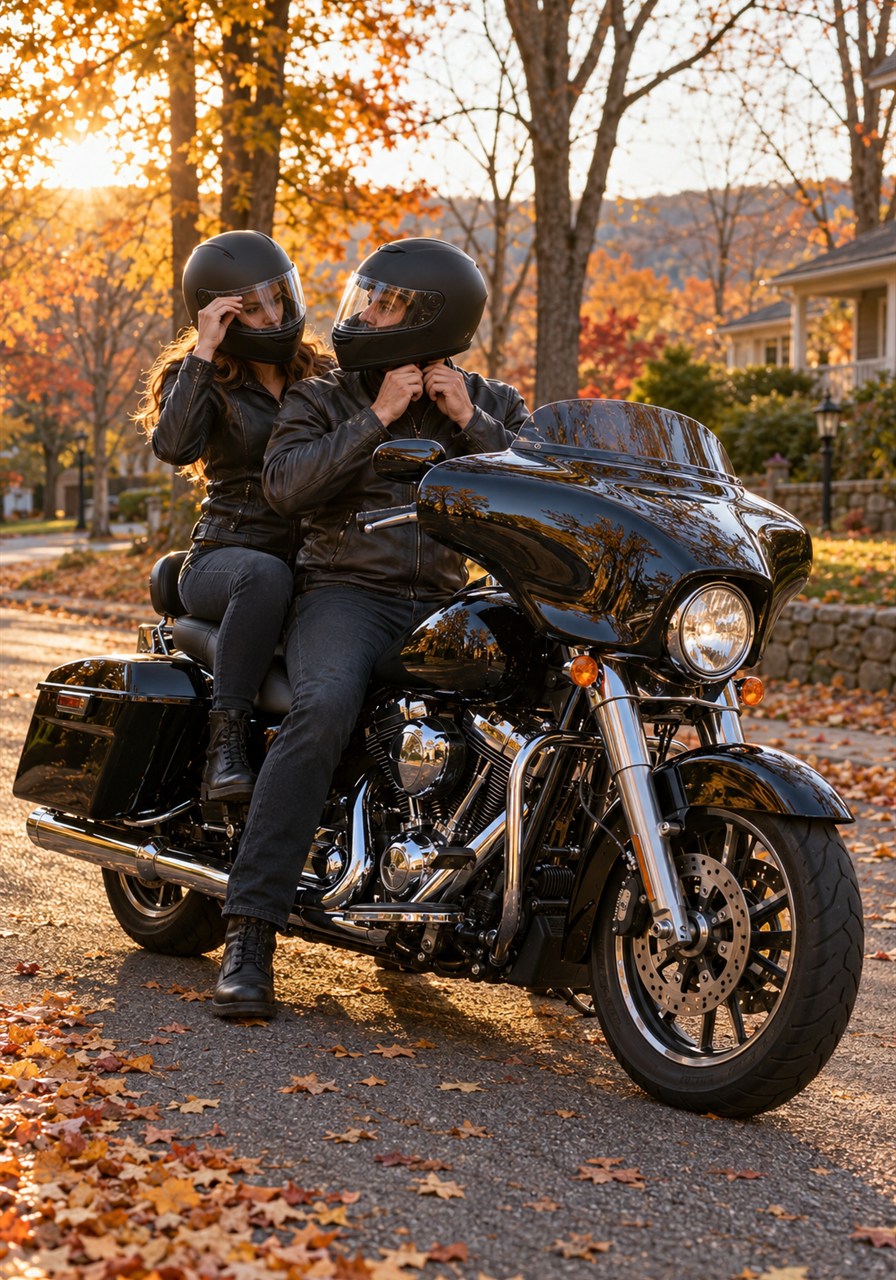
New York requires every rider and passenger to wear a DOT approved helmet, and you also need eye protection: goggles or a face shield. No exceptions for short trips around town. Hurt in a crash? Schimmerling Injury Law offers a free case review, (607) 772-5291. #RideNationBinghamton #NewYorkLaw #RideSafe
GIVEAWAY & COUNTDOWN
Tue Nov 10 | 10:00 AM Eastern
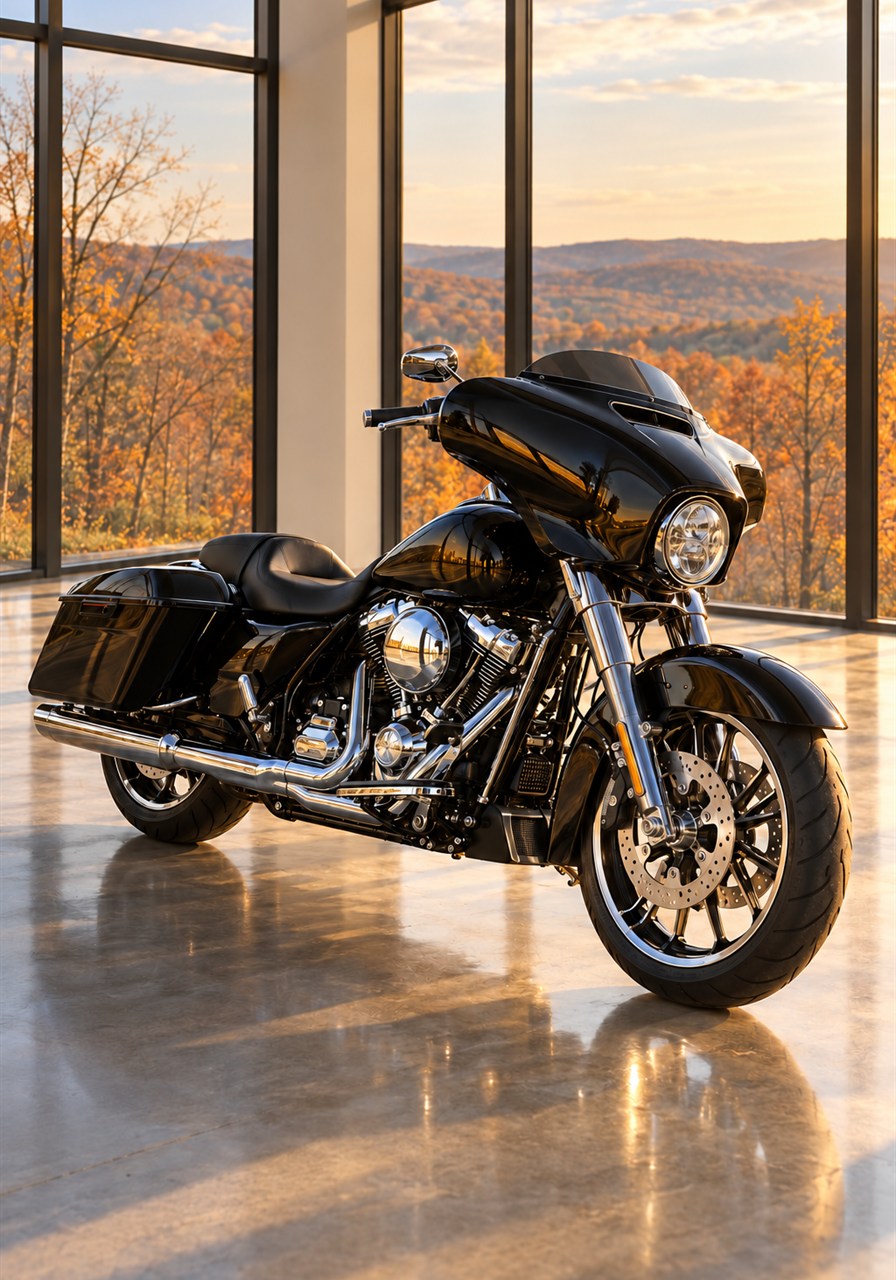
One month to go. On December 10 one rider wins a new motorcycle worth up to $20,000. Free to enter, riders 18 and up. Entry link in the comments. #RideNationBinghamton #BikersWin #MotorcycleGiveaway
LOCAL BINGHAMTON & RIDES
Tue Nov 10 | 6:00 PM Eastern
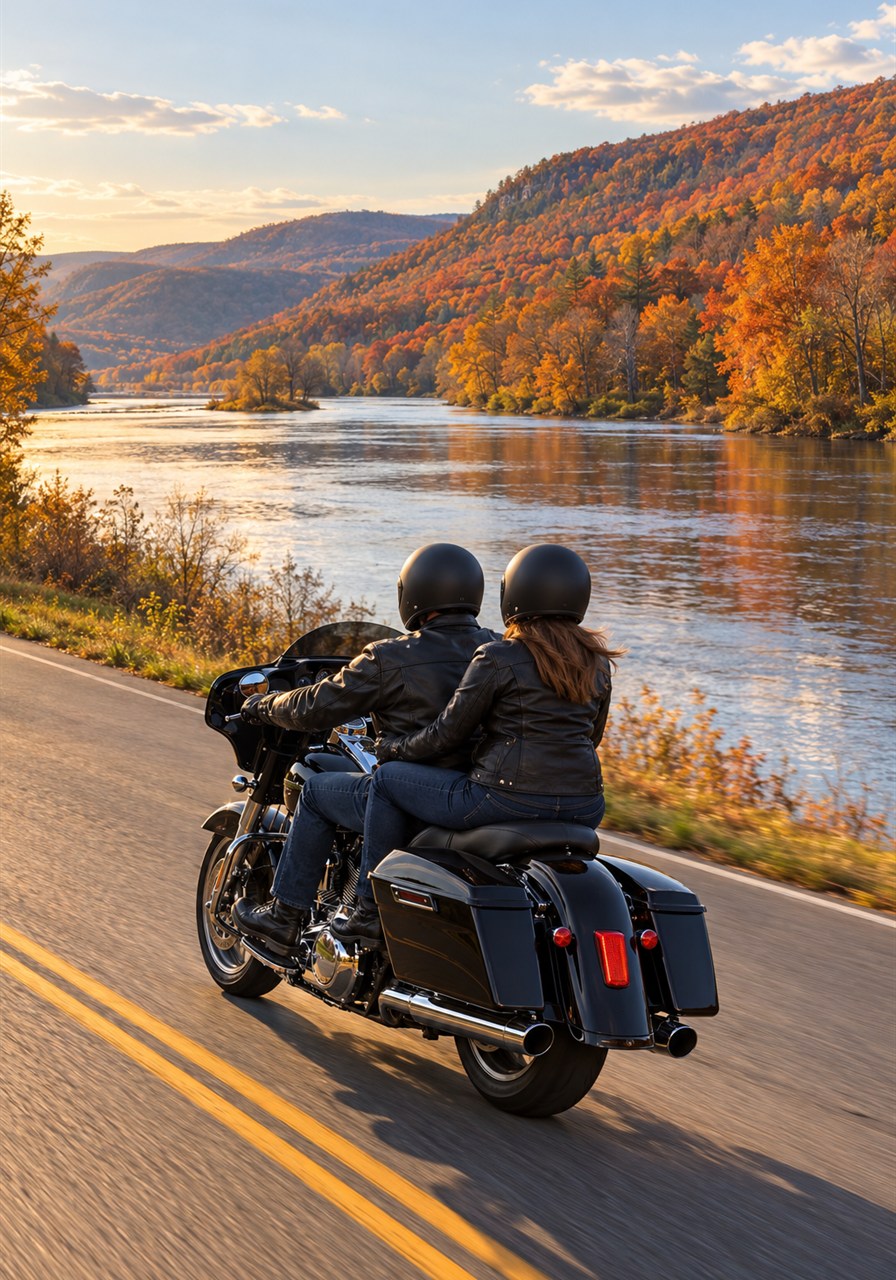
Route 7 along the Susquehanna is one of the best easy rides out of Binghamton. River on one side, rolling hills on the other, and plenty of places to stop for coffee. Save it for the next dry afternoon. #RideNationBinghamton #SusquehannaRiver #SouthernTierRiders
VETERANS DAY
Wed Nov 11 | 10:00 AM Eastern
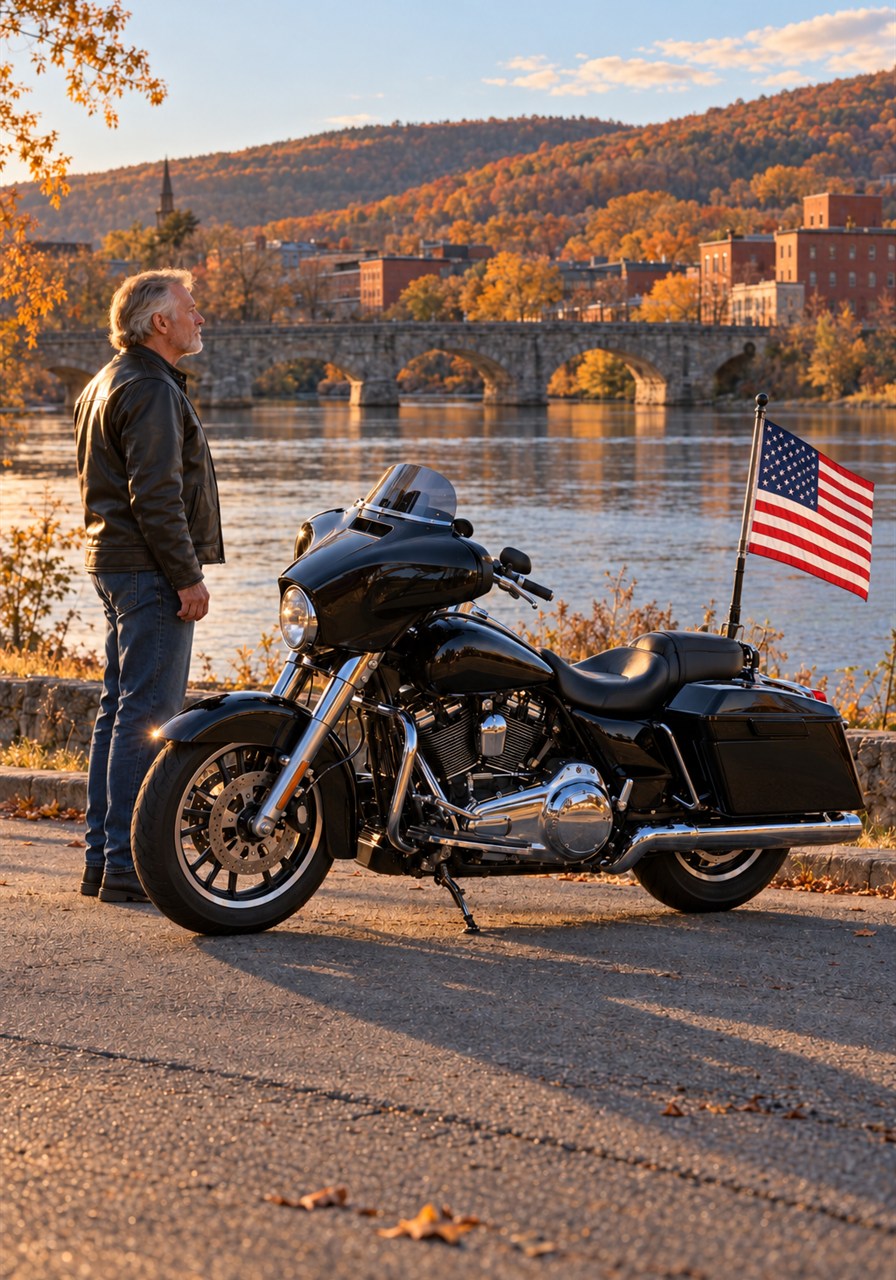
Today we thank every veteran in the Southern Tier, including the many who ride. Your service made the open road possible for the rest of us. Thank you. #RideNationBinghamton #VeteransDay #ThankYouVeterans
GEAR & NEW IRON
Wed Nov 11 | 6:00 PM Eastern
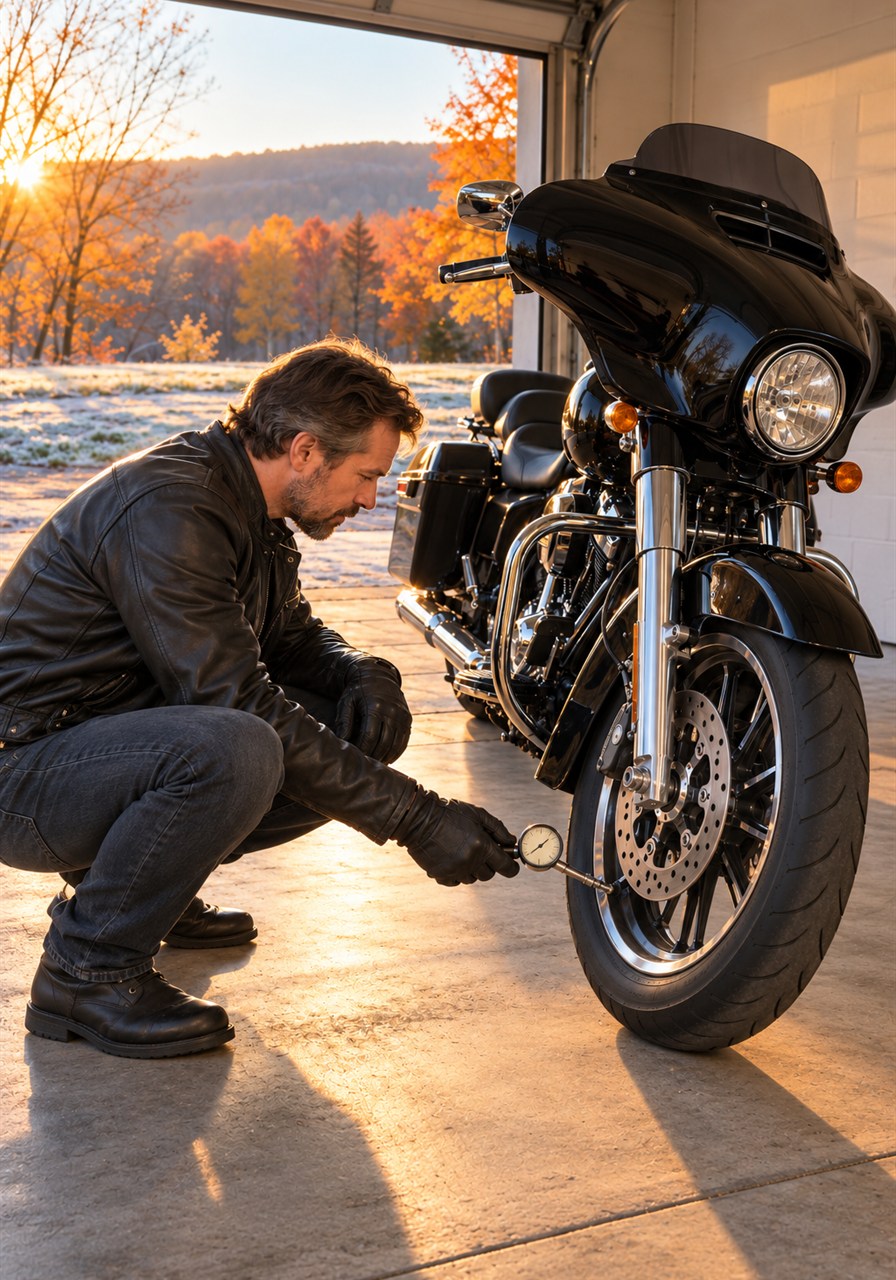
Cold air pulls your tire pressure down. Every 10 degree drop can cost you about a pound, so check it with a gauge on a cold morning before you ride. Proper pressure means proper grip. #RideNationBinghamton #MotorcycleMaintenance #RiderTips
SAFETY & NY LAW
Thu Nov 12 | 10:00 AM Eastern
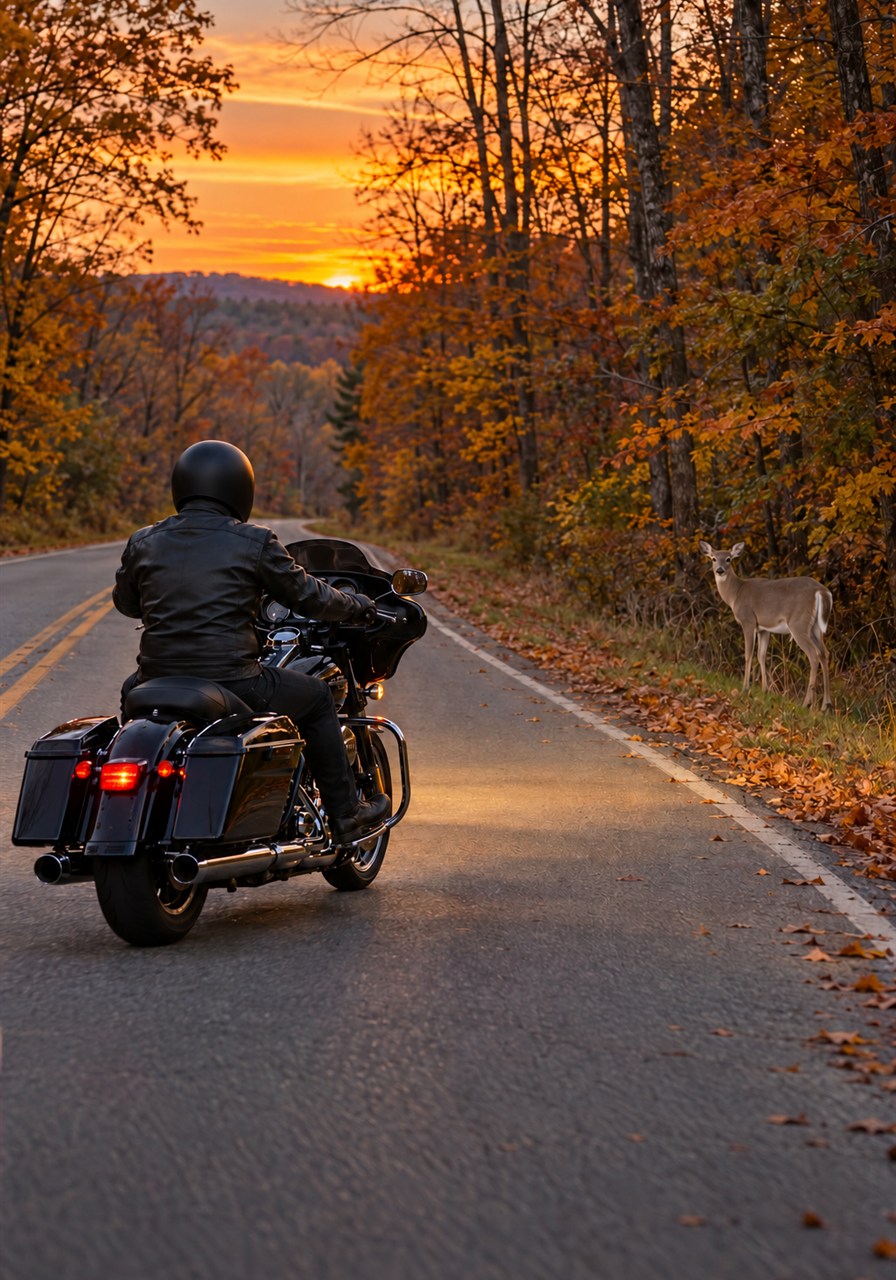
November is peak deer season on New York roads, and dawn and dusk are the riskiest hours. On roads like Route 17 and Route 26, slow down near wooded stretches, cover your brakes and remember: where there is one deer, there is often another. #RideNationBinghamton #DeerSeason #RideSafe
ENGAGEMENT
Thu Nov 12 | 6:00 PM Eastern
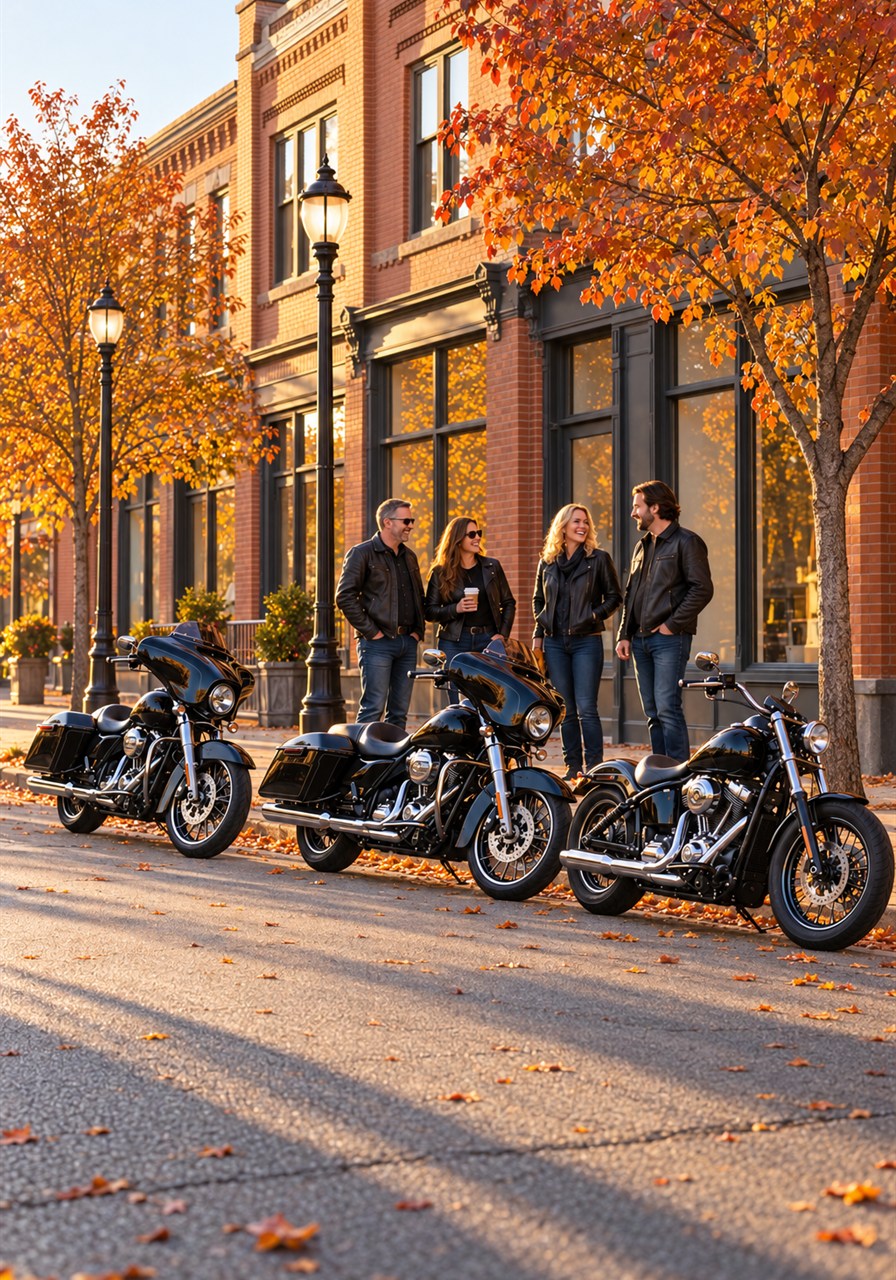
Greater Binghamton is the Carousel Capital of the World with six antique carousels, and riders have their own favorite stops around town too. Where is your go to spot to park the bike and grab a bite? #RideNationBinghamton #Binghamton #MotorcycleCommunity
GIVEAWAY & COUNTDOWN
Fri Nov 13 | 10:00 AM Eastern
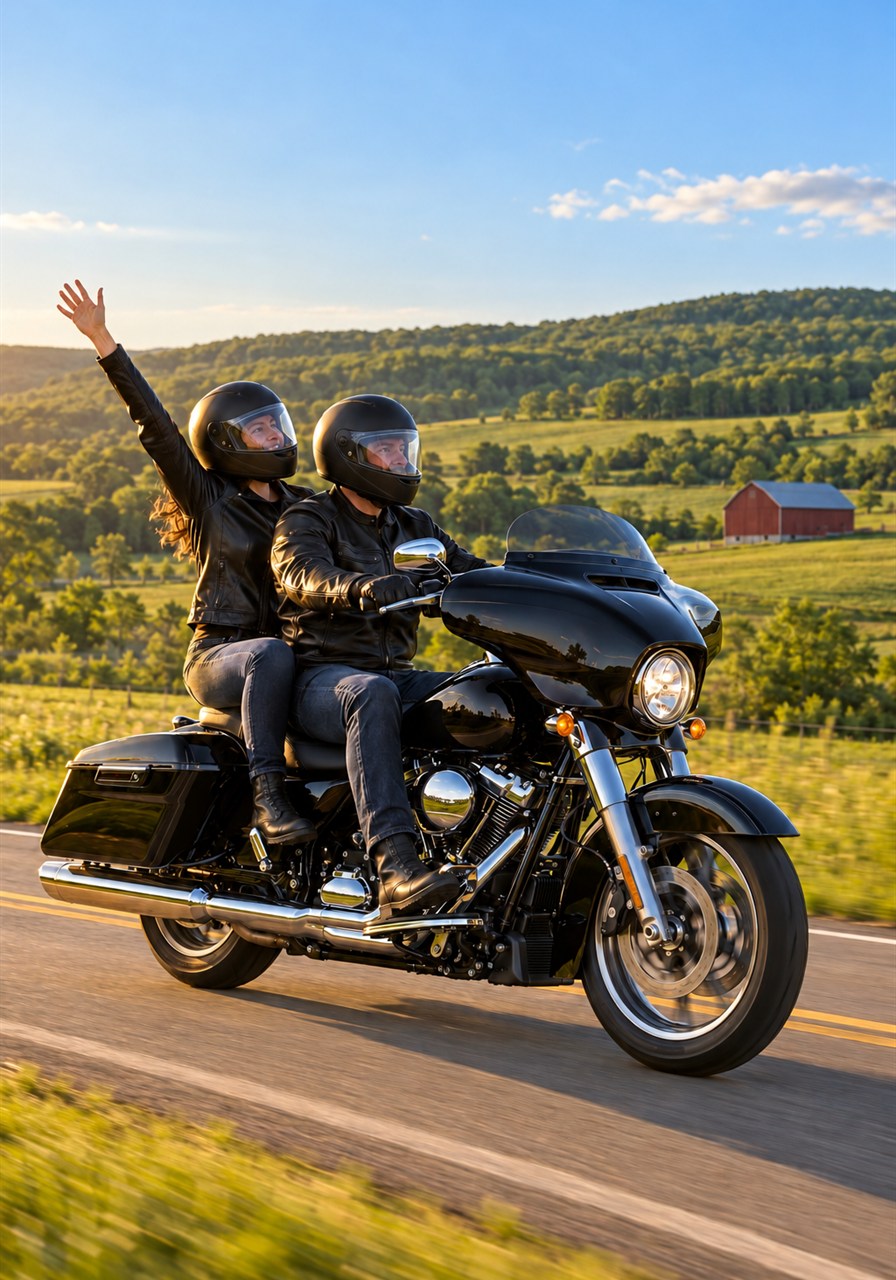
Picture next spring on a new motorcycle you did not pay for. One rider will win a new bike worth up to $20,000 on December 10. It is free and takes about two minutes. Link in the comments. #RideNationBinghamton #BikersWin #WinABike
SAFETY & NY LAW
Fri Nov 13 | 6:00 PM Eastern
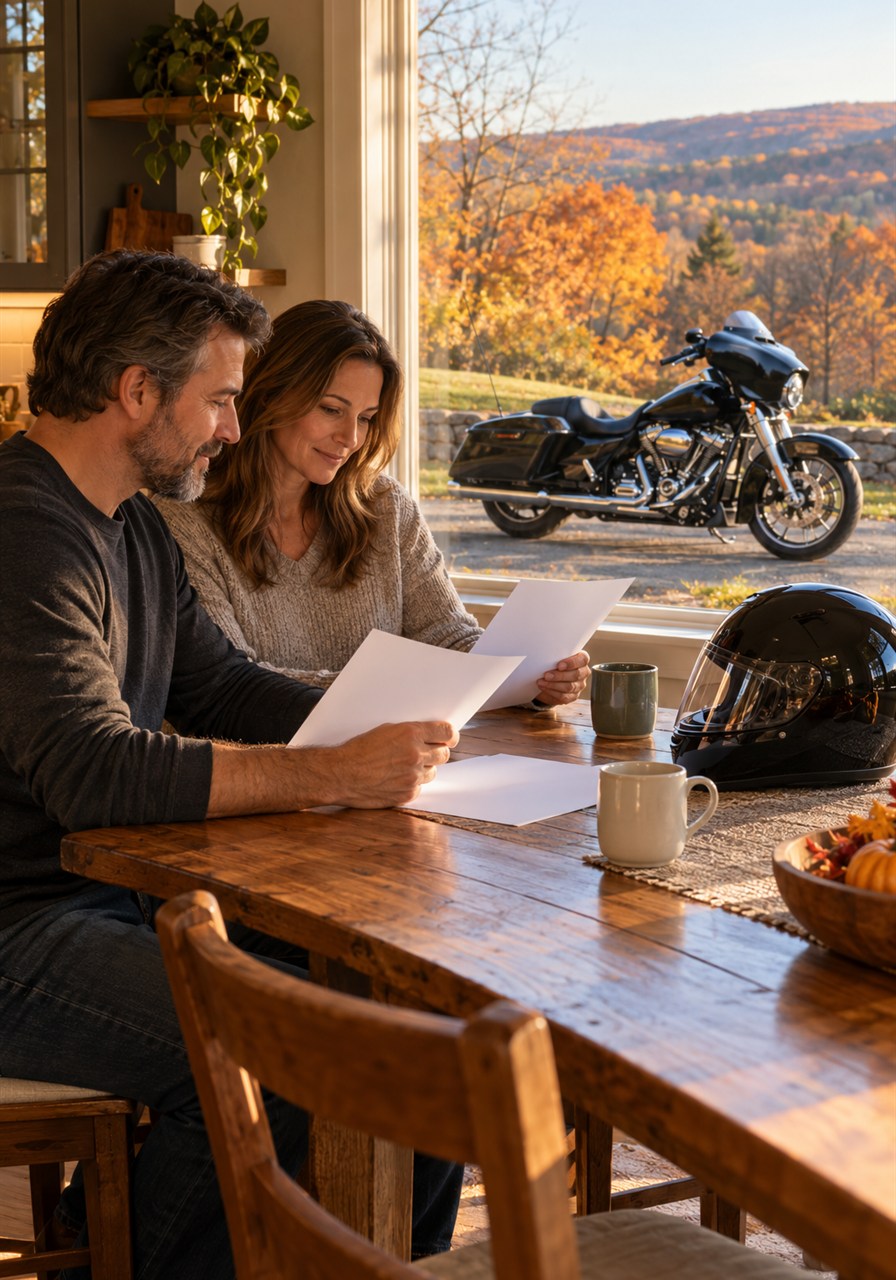
New York no fault insurance does not cover motorcycle riders. That means your own health insurance and coverage choices matter a lot after a crash. Not sure what your policy pays? Tom Schimmerling and his team will walk you through it at no cost. (607) 772-5291 #RideNationBinghamton #NewYorkLaw #KnowYourRights
LOCAL BINGHAMTON & RIDES
Sat Nov 14 | 10:00 AM Eastern
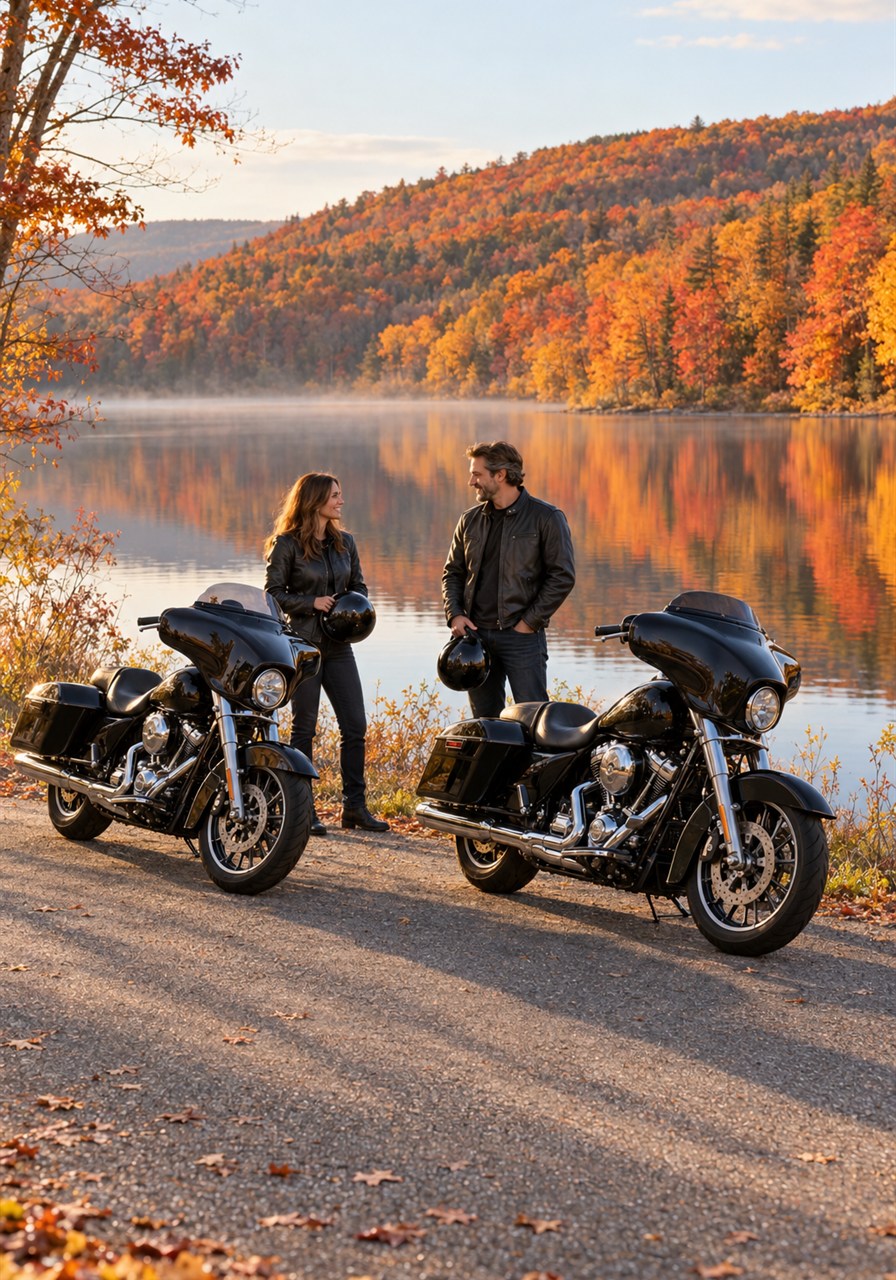
Chenango Valley State Park is a short ride from downtown, and the back roads around it are quiet and scenic this time of year. A great way to close out the season. Who is going this weekend? #RideNationBinghamton #ChenangoValley #SouthernTierRiders
GEAR & NEW IRON
Sat Nov 14 | 6:00 PM Eastern
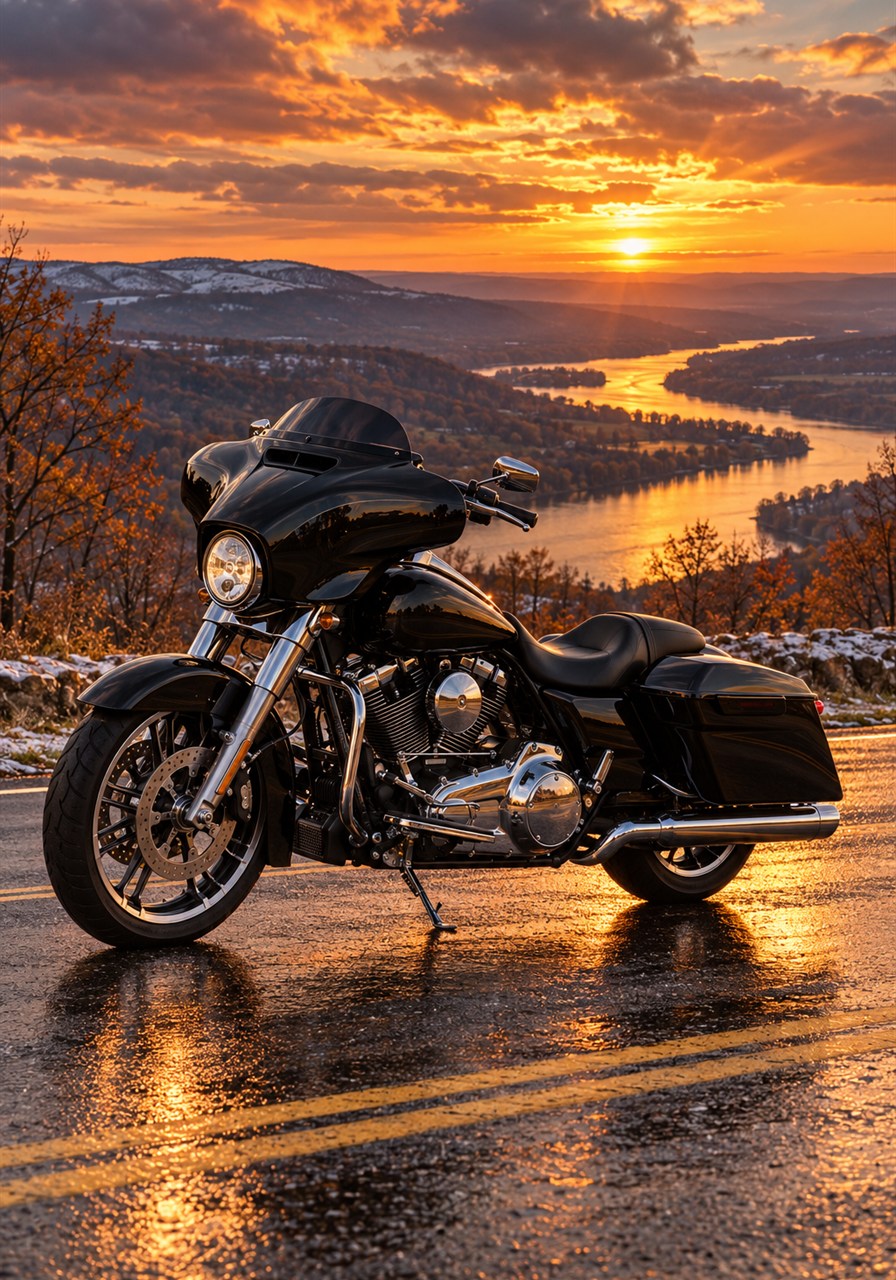
Squeezing in one last sunset ride before winter? When you do park it for the season, top off the tank with fuel stabilizer, put the battery on a tender and get the tires off the cold floor. A little work now saves a lot of hassle in April. #RideNationBinghamton #WinterStorage #MotorcycleMaintenance
SAFETY & NY LAW
Sun Nov 15 | 10:00 AM Eastern
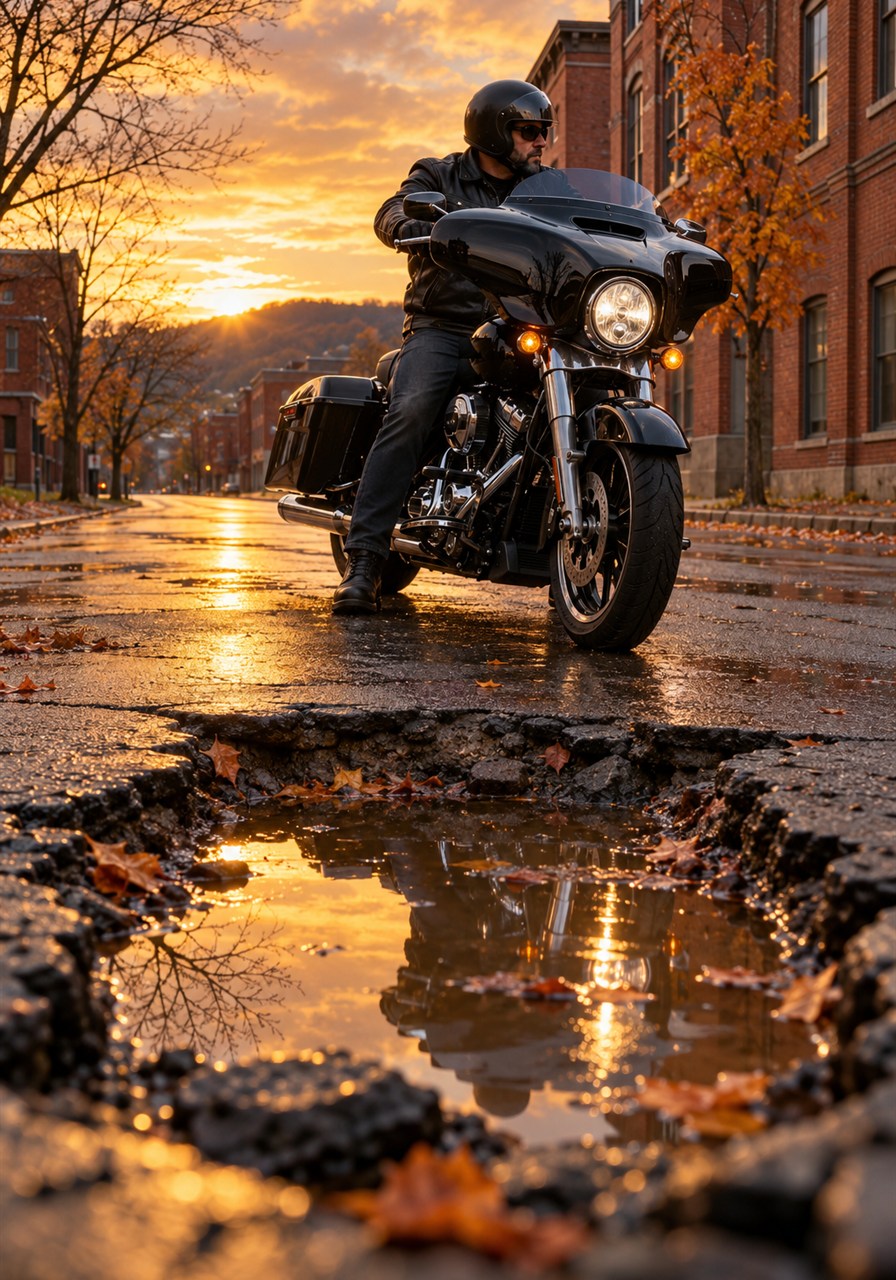
Hit a pothole on a city street? In New York, a claim against a city or town usually needs a written notice of claim within 90 days. Waiting too long can end the claim before it starts. Questions? Schimmerling Injury Law, (607) 772-5291. #RideNationBinghamton #NewYorkLaw #KnowYourRights
ENGAGEMENT
Sun Nov 15 | 6:00 PM Eastern
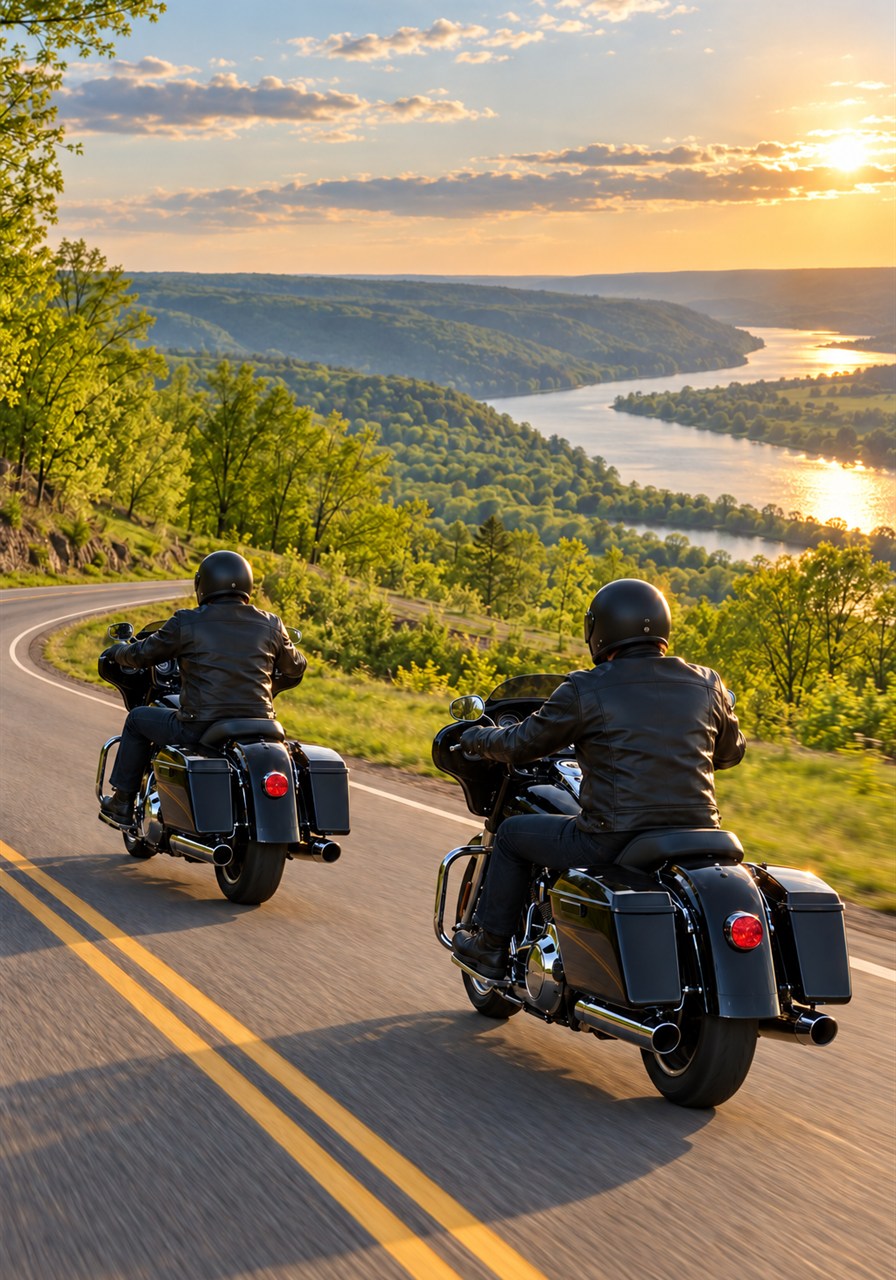
Fill in the blank: the first ride I am taking next spring is ________. Drop your answer and tag the friend who is coming with you. #RideNationBinghamton #MotorcycleCommunity #RideOrDie