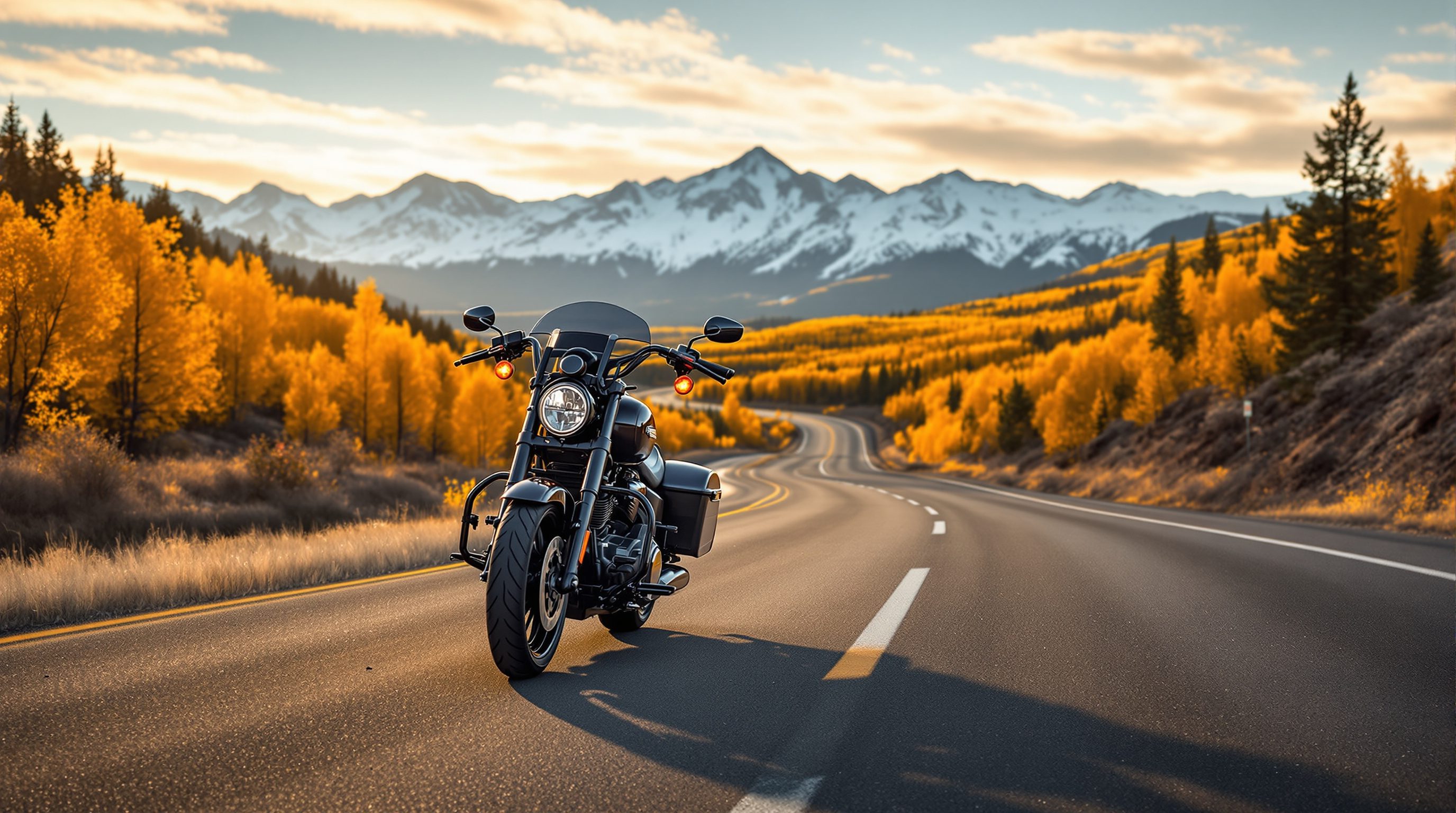
Passenger Injuries on a Motorcycle in Colorado: Who Pays?
You climbed on the back for a run up Lookout Mountain, or a lazy loop out C-470 on a warm evening, and the ride ended in an emergency room. Now you are hurt through no choice of your own, and you have a question the driver who caused it never has to ask: who actually pays for this? Of everyone involved in a Colorado motorcycle crash, a passenger is almost always in the strongest legal position, because a passenger is almost never at fault. The hard part is not proving your innocence. It is untangling which policies owe you money.
Why the 50 Percent Bar Rarely Touches a Passenger
Colorado follows modified comparative negligence with a 50 percent bar. If you are found 50 percent or more at fault for a crash you recover nothing, and your damages otherwise get reduced by your share of the blame. That rule is the insurance industry's favorite weapon against the person operating the bike, because a rider can be accused of speeding, lane position, or a late reaction. A passenger has no hands on the bars. You were not steering, braking, or choosing the line through the curve. Outside of rare situations, like grabbing the operator or interfering with control, there is simply no plausible way to hang meaningful fault on someone riding on the back. That means the 50 percent bar, the rule that guts so many rider claims, usually has nothing to grab onto in a passenger case, and your recovery is not shaved down by a fault percentage the way the operator's often is.
No No-Fault, So You Chase the At-Fault Party
Colorado repealed its no-fault system in 2003 and went back to being an at-fault, tort state. There is no PIP coverage that automatically pays your medical bills regardless of blame. That matters enormously for a passenger, because your path to being made whole runs through whoever caused the crash. If another driver caused the wreck, that driver's liability insurance is your first target. If the operator of your motorcycle was at fault, then it is the operator's liability coverage that owes you, and yes, that can mean filing a claim that involves your friend's or partner's policy. In the meantime, your own health insurance and any optional MedPay you carry can help keep the bills moving while fault gets sorted out. Because Colorado gives you no automatic first-party payout, identifying the at-fault party quickly is the whole ballgame.
The Sources You Can Stack
The real work in a passenger case is finding every dollar of coverage that applies and lining them up. A serious injury can easily blow past a single policy's limits, especially when the at-fault driver carries nothing more than Colorado's 25/50/15 minimums. Because passengers are so rarely at fault, and because more than one policy often applies, a passenger claim can sometimes reach coverage the operator alone could not.
- ✓ The at-fault driver's liability policy. If a car turned into your path or ran a light, that driver's bodily injury coverage is the primary source, and it may be as low as the state minimum.
- ✓ The motorcycle operator's liability coverage. If the person you were riding with caused or shared in the crash, their policy can pay you as an injured passenger.
- ✓ Uninsured and underinsured motorist coverage. When the at-fault driver has too little or none, UM/UIM steps in, possibly through the operator's policy and your own household auto policy.
- ✓ Your health insurance and MedPay. These do not decide fault, but they keep treatment going and can be repaid later out of a settlement.
The Awkward Reality When the Driver Is Someone You Love
Let us name the thing nobody wants to say out loud. Very often the person operating the motorcycle is a friend, a partner, or a family member. If they contributed to the crash, then being made whole may mean filing a claim against their insurance. That feels like a betrayal, and riders regularly swallow real injuries rather than go there. It should not work that way. A claim against a friend's policy is a claim against an insurance company, not against the friend's wallet, and that is the entire reason they pay premiums. Your medical bills, lost wages, and pain do not disappear because you care about the person who was driving, and letting them go unpaid does not protect anyone. It just hands the insurer a discount. Understanding that difference, between the person and the policy, is often what lets an injured passenger accept the care and compensation they are owed. The clock does not care that you were a passenger either. Colorado generally gives you three years from the date of the crash to file, and even the cleanest passenger case is worth nothing once that window closes.
Have questions after a wreck? Scott O'Sullivan and the Denver motorcycle injury attorneys at Rider Justice (riderjustice.com) review rider claims and explain your options.