Holiday DUI Season in Denver: When a Drunk Driver Hits a Rider
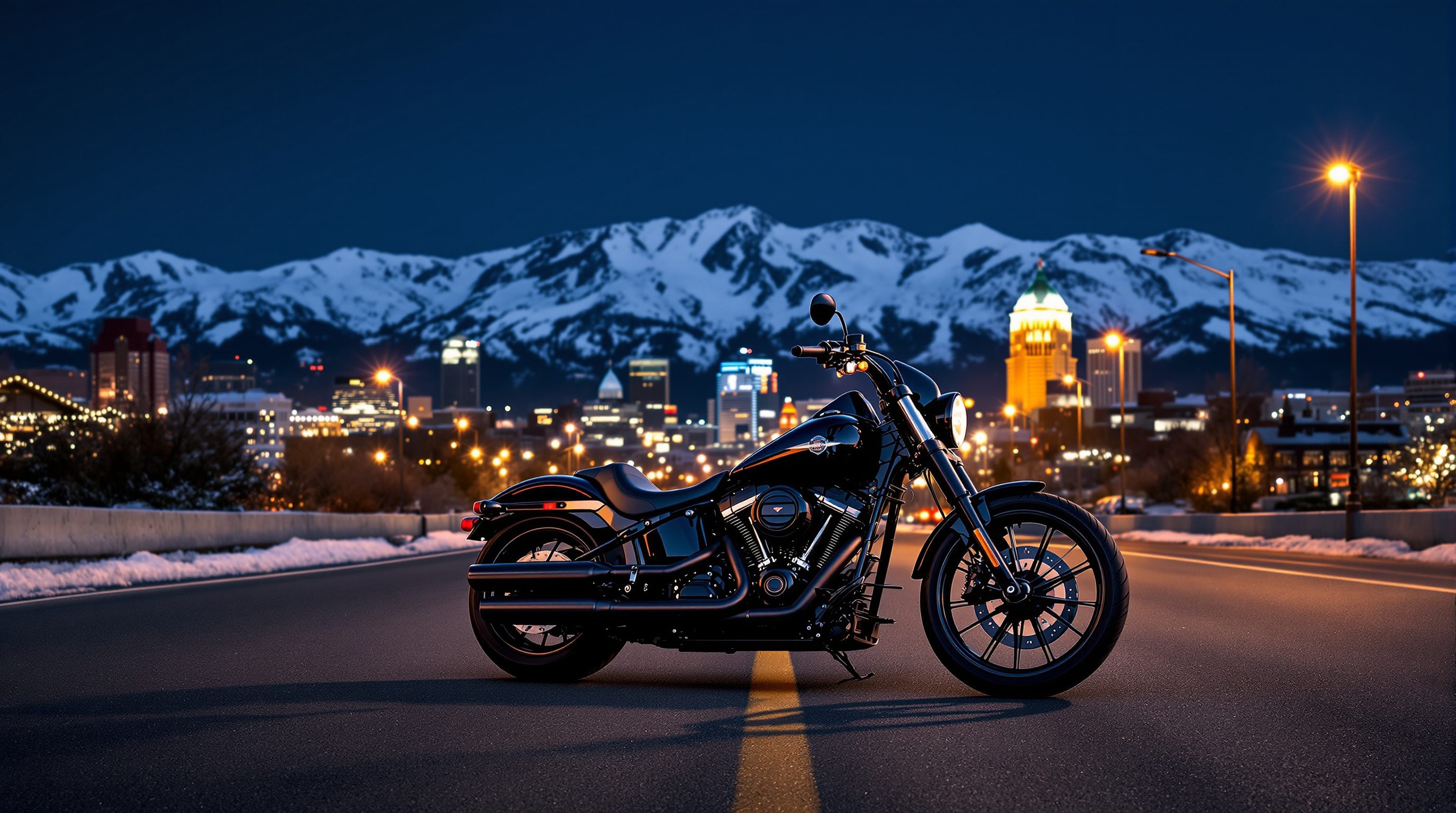
The stretch from Thanksgiving through New Year's is the worst time of year to share a Front Range road with a drinking driver. Office parties let out, bars run late, and people who never drive impaired the rest of the year talk themselves into "just down the road" after one too many. Plenty of Denver riders are still out too, chasing a clear cold day up Lookout Mountain or running errands on I-25 before the next storm. Then a driver rolls a stop sign in LoDo or blows a light on Colfax, and a rider ends up on the pavement.
Why December Is So Dangerous for Colorado Riders
Impaired driving is not a fringe problem in Colorado. Year after year, roughly a third of the state's traffic deaths involve an impaired driver, and enforcement agencies run coordinated holiday DUI crackdowns from Thanksgiving into January precisely because the risk climbs. For a rider the danger is magnified. You have no cage around you, no airbags, no crumple zone. A driver who is slow to react, who never sees you, or who drifts into your lane turns a survivable car-on-car fender bender into a hospital stay for you. Add early sunsets, black ice on shaded curves, and holiday traffic packing the metro, and December earns its reputation as the meanest month to be on two wheels.
A DUI Makes the Other Driver's Fault Hard to Deny
Here is the upside, if you can call it that. When the driver who hit you was arrested for DUI, you are holding strong evidence of fault. Colorado sets the legal limit at 0.08 BAC for DUI, and even 0.05 to 0.079 can support a DWAI charge. A breath or blood test result, a failed roadside test, and a police report all become part of the record. That criminal case runs on a separate track from your injury claim, but it feeds your civil case in a big way. A citation or conviction is powerful proof the driver breached their duty of care, chemical test results put a number on the impairment that is hard for an adjuster to wave away, and the officer's scene observations build the story of what really happened. Colorado follows modified comparative negligence with a 50 percent bar, meaning if you are 50 percent or more at fault you recover nothing, and otherwise your recovery drops by your share of the blame. A clear DUI on the other side makes it far harder for the insurer to shift a big chunk of fault onto you, though they will still try, so you protect your side of the story from day one.
Dram Shop Liability When a Bar Overserved the Driver
Sometimes the drunk driver is not the only one who put you at risk. Under Colorado's dram shop law, a bar, restaurant, or other licensed vendor can share liability if it knowingly served alcohol to a visibly intoxicated patron, or to anyone under 21, and that person then caused your crash. This matters for one practical reason. The driver who hit you may carry almost nothing, but a licensed establishment usually carries a commercial policy with far deeper limits. Colorado's dram shop statute does cap the damages available against a vendor and sets a tight standard of proof, so these claims are not automatic. They take fast investigation, including receipts, tabs, surveillance video, server statements, and witness accounts that fade or get overwritten within days. If your crash traces back to a night of overserving, that angle is worth chasing early before the evidence disappears.
- ✓ Preserve the DUI evidence. The arrest report, BAC results, and roadside observations anchor your civil claim, so make sure they are secured.
- ✓ Get checked out right away. Adrenaline masks injuries, and a gap in treatment is the first thing an adjuster attacks.
- ✓ Look past the driver. A bar that overserved may carry a commercial policy far larger than the driver's minimum limits.
- ✓ Confirm your UM and UIM limits. If the DUI driver has little or no coverage, your own policy becomes your real backstop.
- ✓ Do not settle fast. The insurer's first holiday check rarely reflects what a serious injury is truly worth.
No PIP, So Your Own Coverage Still Carries Weight
Colorado repealed no-fault back in 2003, so this is an at-fault tort state with no PIP. There is no automatic first layer of medical coverage that pays your bills regardless of fault. You rely on your health insurance, any MedPay you carry, the at-fault driver's liability, and your own uninsured and underinsured motorist coverage. That last piece is critical against a holiday DUI driver, because impaired drivers are often exactly the ones carrying the state minimum of 25/50/15, or no valid insurance at all, or who flee the scene. When the drunk driver has too little coverage or disappears into the night, your own UM and UIM coverage steps into their shoes and pays your claim. If you are not sure what limits you carry, pull your declarations page and check, because a serious injury outruns a thin policy fast. Colorado also gives you three years from the crash to file most injury claims, more room than most states allow, but holiday evidence is fragile. Bar footage gets recorded over, skid marks wash off in the next snow, and witnesses scatter after the season ends, so the sooner your record is locked down, the harder it is for any insurer to shortchange you.
Scott O'Sullivan and the Denver motorcycle injury attorneys at Rider Justice represent riders hurt by negligent drivers. If you have questions after a crash, their team is here to help.