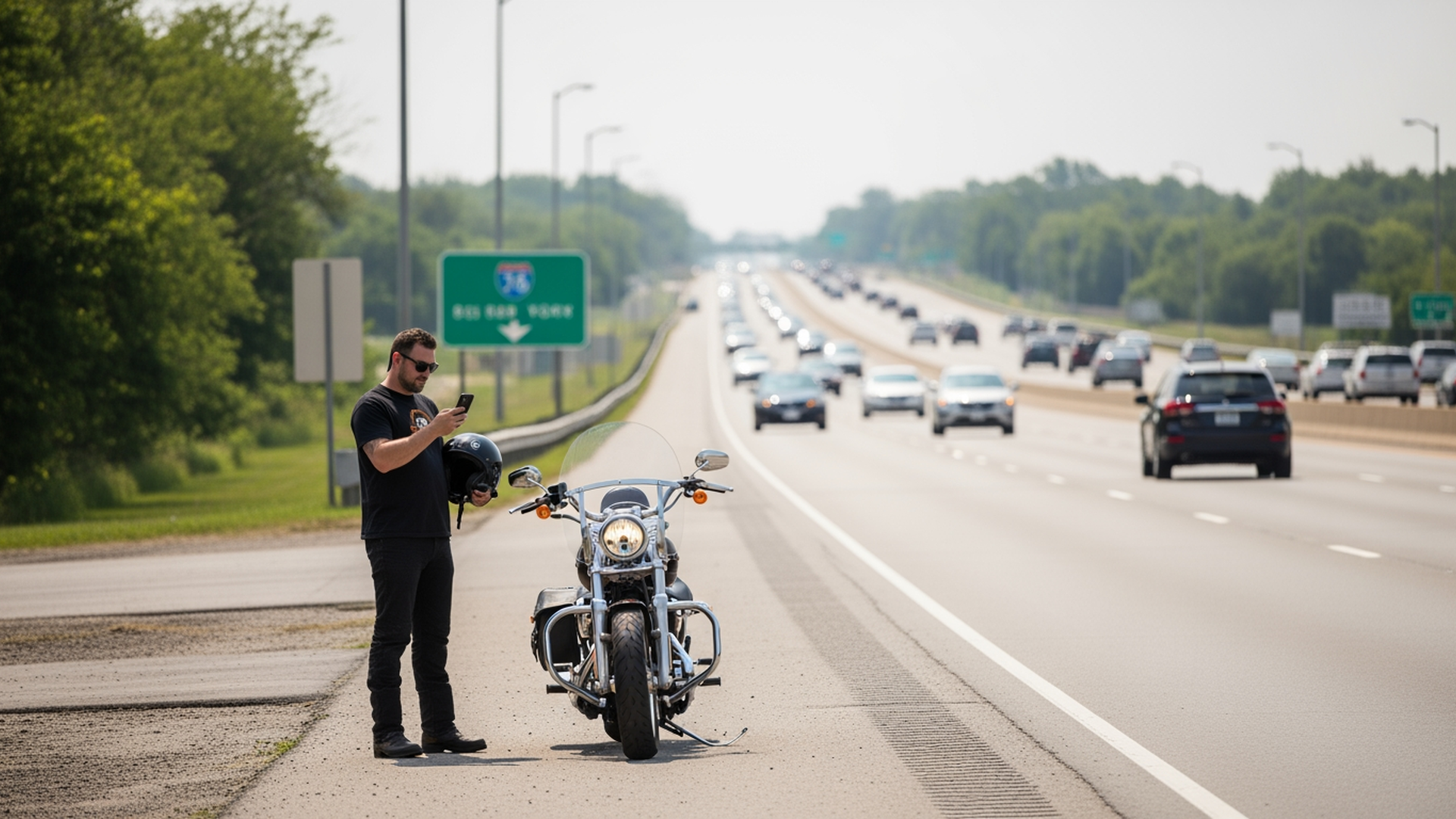
What to Do After a Motorcycle Accident in Buffalo: A Rider's Step by Step
The minutes and days after a motorcycle crash decide far more than most riders realize. In a car, a bad move at the scene is often forgiven by a steel cage and airbags. On a bike you are exposed, the injuries run worse, and the same insurers that lowball every claim are already hunting for a reason to blame you. What you do in the first hour on the I-90 Thruway or the 33 Kensington, and in the weeks that follow, can make or break your New York injury claim, and on a motorcycle there is a wrinkle most riders never see coming.
First: Get Safe and Get Checked
Before anything else, your health comes first. A motorcycle crash hides injuries behind adrenaline, and riders regularly wave off an ambulance only to wake up the next morning barely able to move. On a road as fast as the I-190 heading toward Grand Island or the 198 Scajaquada cutting through the city, a downed rider is also in danger from the next wave of traffic, and Buffalo drivers do not slow down for anyone.
Move out of the lanes if you safely can, then call 911 so police and EMS are on the way. Say yes to the medical evaluation. Adrenaline masks head injuries, internal bleeding, and spinal damage, and refusing care both risks your body and hands the insurer an argument that you were never really hurt.
Second: Understand Why the Documentation Matters So Much on a Bike
Here is the part that surprises Western New York riders. New York is a no-fault state that requires Personal Injury Protection on auto policies, but the no-fault law does not cover motorcyclists, so you have no PIP on the bike to pay your own medical bills after a wreck. In a car, no-fault would cover the first stretch of your treatment no matter who was at fault. On a motorcycle you do not have that cushion, which means your recovery leans almost entirely on two things: the at-fault driver's liability coverage and your own uninsured or underinsured motorist coverage. Both the liability claim and the UM claim are won or lost on evidence, so the documentation you gather at the scene is not busywork. It is the foundation of the only sources of money that will actually pay your bills.
Third: Document Everything You Can at the Scene
If you are physically able, the scene is a source of evidence that vanishes fast. Your phone is all you need. On Buffalo roads, remember the details that made the road treacherous are worth capturing before the weather changes them, from the brutal potholes and frost heaves that grab a front wheel to the poor sightlines where the other driver claims they never saw you.
- ✓ Photograph the whole scene. Both vehicles, your bike's position, the damage, the road, skid marks, signals, potholes, the ramp or intersection, and the wider area. Wide shots and close-ups both matter.
- ✓ Get the other driver's information. Name, phone, insurance company, policy number, plate, and the make and model of the vehicle.
- ✓ Find witnesses now. A neutral person who saw the crash is gold. Get names and numbers before anyone leaves.
- ✓ Note the details. Time, weather, lane, direction, road conditions, and anything the other driver says. If they admit fault or apologize, remember it.
If your injuries make this impossible, that is exactly what a lawyer and an investigator are for. Never risk your health to get a photo.
Fourth: Watch What You Say
Here is where good, decent people accidentally sink their own case. In New York, fault is not all-or-nothing. The state follows pure comparative negligence, which means your recovery is reduced by your share of fault but is never barred entirely, even if you carried some of the blame. That sounds forgiving, and in one sense it is, but it is exactly why the other insurer works so hard to pin a large slice of fault on you. Every percentage point they hang on the rider is money out of your settlement, and on a crowded expressway they will be quick to suggest you were speeding or lane-splitting.
So the words at the scene carry weight. A casual "I'm sorry" or "I didn't see him" can be twisted into an admission. Stick to the facts with the police, and do not guess about fault or apologize for a crash you did not cause. You do not have to accept blame to be polite.
Fifth: Get the Report and Preserve the Evidence
A New York crash report is a foundational document for your claim, so make sure officers respond and give your account clearly. Meanwhile the clock is already running on the evidence itself. Traffic camera footage along the I-90 Thruway and the Skyway, business security video near Route 5 and the 33 Kensington, and toll-plaza cameras on the Thruway are often overwritten within days. Skid marks fade, debris gets swept, potholes get patched, and witnesses move and forget. Preserving that evidence quickly is one of the biggest reasons to get help early rather than waiting to see how you feel.
Sixth: Be Careful With the Insurance Company
Within a day or two an adjuster will likely call, sounding friendly and eager to help. Remember who signs that person's paycheck. Their job is to close your file for as little as possible, and they are especially aggressive with motorcycle claims because they know juries can be biased against riders and that your bike carried no no-fault coverage to soften the blow.
- ✓ You do not owe a recorded statement. The other driver's insurer will ask for one. It exists to catch you saying something they can use. You are not required to give it.
- ✓ Do not accept a fast, early offer. The first check almost always lands before you know the full extent of your injuries. Once you sign, the claim is usually over, even if you need surgery next month.
- ✓ Do not sign a blanket medical release. A broad authorization lets the insurer dig through your entire history hunting for a pre-existing condition to blame.
- ✓ Keep records of everything. Bills, treatment, missed work, and how the injuries affect daily life all build the real value of your claim.
Then: Know Your Deadline and Call Counsel
New York generally gives an injured rider three years from the date of the crash to file a lawsuit. That sounds like plenty of time, but it is not a reason to sit still, and it is not always the deadline that controls. When a city, county, or a public entity like the NFTA is involved, a much shorter Notice of Claim requirement kicks in, often just 90 days, and missing it can end a claim before it starts. Evidence degrades, witnesses vanish, and insurers are happy to let months slip by while they "review" your file. Filing on time keeps your rights alive. Acting early keeps your case strong. Both point toward getting the facts reviewed while the evidence along the expressways and business corridors is still fresh, especially when your bike has no no-fault coverage and the UM and liability claims are all you have.
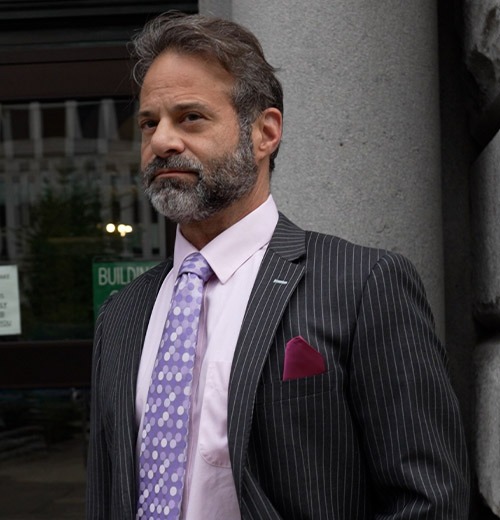
Have questions after a wreck? Rick Nicotra and the motorcycle accident lawyers in Buffalo at The Nicotra Law Firm (866nicotra.com) review rider claims and explain your options.