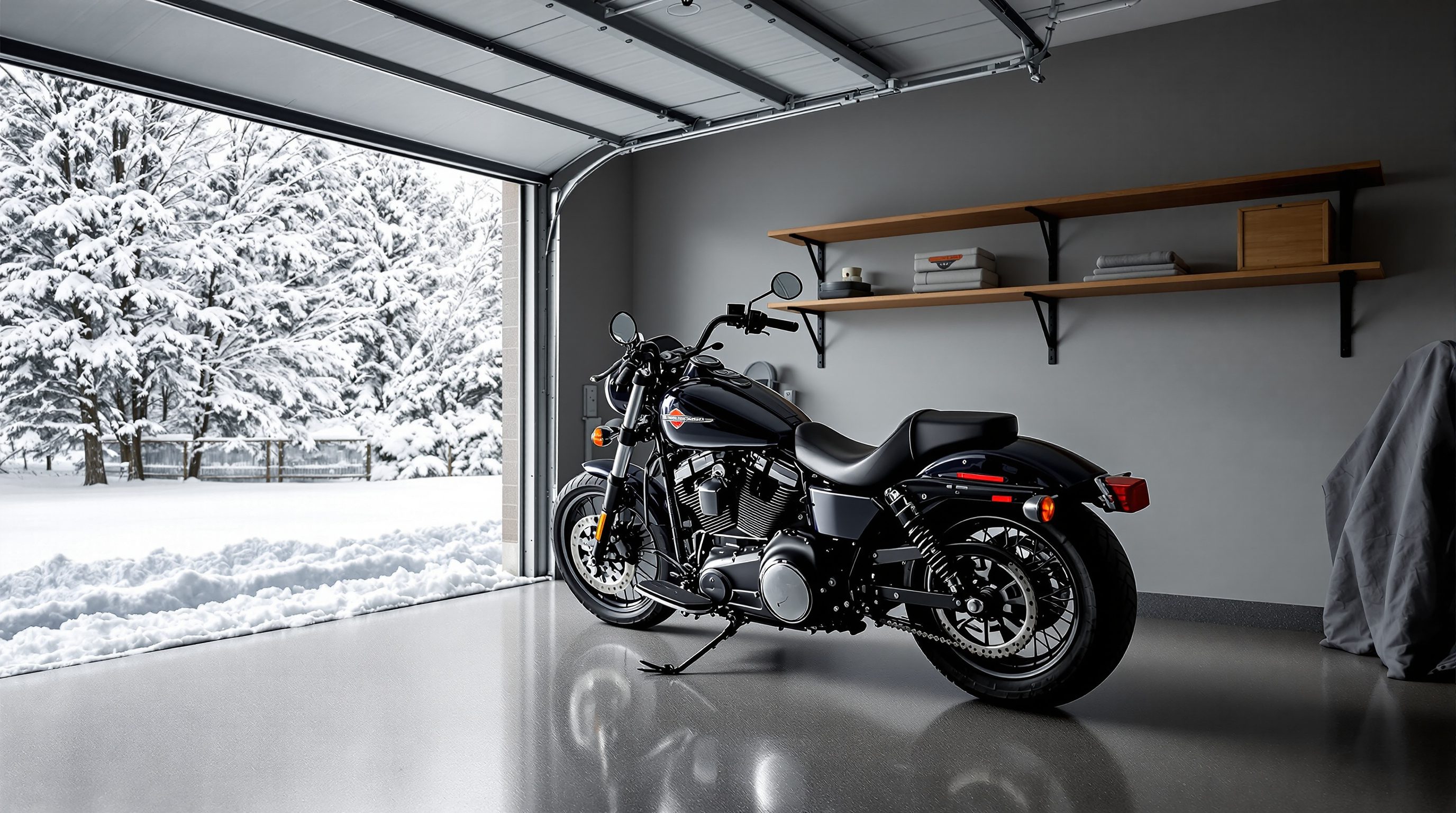
Winter Storage and Your Motorcycle Insurance in New York: Should You Drop Coverage?
Around Buffalo, the riding season does not so much end as get cancelled. Somewhere between the first hard freeze and the first real lake-effect band, the bike goes under a cover in the garage, and the insurance bill starts to look like money spent on a machine that is not moving. Dropping coverage entirely is the tempting move, and it is exactly the move that can cost you the most. In New York, the wrong call on winter storage can mean a theft or fire with no payout, a lapse that follows you into spring pricing, a lienholder problem, and penalties from the DMV. Here is how Western New York riders should think about it.
Why dropping coverage is riskier than it looks
A stored bike is not a safe bike. Garages burn, sheds get broken into, and a Buffalo roof loaded with a winter of snow can come down on whatever is underneath it. Space heaters, battery tenders, and old wiring cause real fires in garages every winter, and thieves know exactly which bikes are sitting parked and unwatched for four months. Comprehensive coverage is what pays for theft, fire, vandalism, falling objects, and weather damage, and it is usually the cheapest part of the policy to keep.
Cancelling everything also creates a gap in your insurance history. Many carriers treat a break in continuous coverage as a rate factor when you come back, and some will price you as a new or higher-risk customer in April. The savings from three or four months of skipped premiums can vanish into a spring quote that is higher than what you would have paid had you simply kept a slimmed-down policy in force.
What to keep, what to cut, and the lienholder catch
Most carriers offer some form of storage or lay-up arrangement, and the details vary by company, so call your agent and ask specifically. The usual approach is to keep comprehensive and cut the coverages that only matter when the bike is on the road. Ask what happens to your liability and uninsured motorist coverage while stored, because you want to be sure you are not leaving a gap that opens the moment you pull the cover off on a warm March day.
If you financed the bike, your lender almost certainly requires comprehensive and collision for as long as the loan is open. Dropping either can put you in default and trigger force-placed insurance, which is expensive and protects the lender, not you. Check your loan paperwork before you change anything, and get any storage arrangement confirmed in writing.
- ✓ Keep comprehensive. It covers theft, fire, vandalism, and storm damage while the bike sits in the garage, and it is usually a small part of your premium.
- ✓ Ask about a storage or lay-up option. Some carriers reduce the price of liability and collision while the bike is stored. Get the terms in writing.
- ✓ Check your lienholder requirements. A financed bike generally must keep comprehensive and collision, and dropping them can trigger costly force-placed coverage.
- ✓ Avoid a lapse in coverage. A gap can raise your spring rate and leaves you unprotected if you roll the bike out for one warm day.
- ✓ Confirm your UM coverage carries through. Uninsured motorist protection is your real backstop as a rider in New York, so do not let it quietly disappear.
- ✓ Photograph and document the bike. Date-stamped photos of the bike, odometer, and accessories make a theft or fire claim far easier.
New York registration and lapse penalties
New York takes continuous insurance seriously. A registered vehicle is required to carry liability coverage, and the state tracks insurance electronically. If your policy is cancelled while the bike is still registered, the DMV can hit you with daily civil penalties, a registration suspension, and fines, and reinstating can mean fees on top. A bike that is only sitting in the garage still counts as registered and insured in the state's eyes unless you take formal steps.
There are legitimate ways to handle a long winter. You can keep the bike registered and insured on a reduced policy, or, if you truly want to drop liability, you generally have to surrender the plates to the DMV before you cancel coverage. Rules and penalty amounts change, so confirm the current requirements with the DMV and your insurer instead of guessing.
The spring one-warm-day trap
Every March, Buffalo gives riders a 55 degree afternoon that feels like a gift. If your coverage is suspended and you ride anyway, you are an uninsured rider on roads that are still covered in salt, sand, and frost damage. And because New York's no-fault system does not cover motorcyclists, you cannot lean on PIP for your own medical bills after a crash. Your protection is the at-fault driver's liability coverage and your own uninsured motorist coverage, which is exactly why you do not want gaps in either.
If you are hurt on a bike, the insurance company on the other side will look for any reason to shrink your claim, including a policy problem. Keep your paperwork clean, and if a crash does happen, get medical care first and then call a lawyer who handles motorcycle cases in New York.
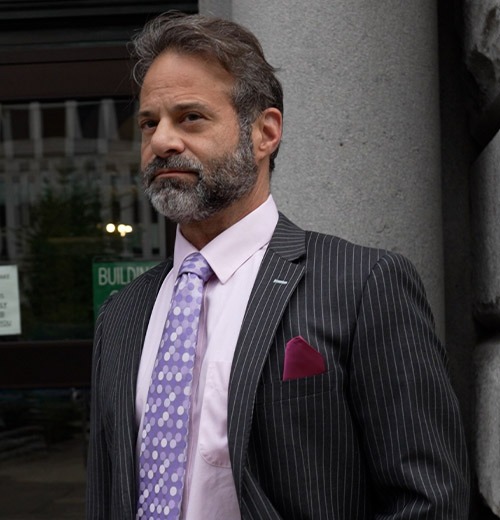
Rick Nicotra and the Buffalo motorcycle injury attorneys at The Nicotra Law Firm represent riders hurt by negligent drivers. If you have questions after a crash, their team is here to help.