Who Pays Your Medical Bills After a Buffalo Motorcycle Crash?
You are on a stretcher at ECMC or Sisters of Charity, your bike is in a tow yard off the 33, and the first question in your head is a simple one. Who is paying for all of this? If you drive a car in New York, the answer is no-fault. If you ride, the answer is a lot messier, and the people who profit from the mess are counting on you not knowing it.
Why there is no automatic bucket for a rider
Drivers and passengers in cars get no-fault benefits, which pay medical bills and part of lost wages quickly no matter who caused the wreck. New York's no-fault law specifically excludes motorcycles. If a left-turner on Route 5 or a driver merging onto the I-190 puts you down, there is no PIP check coming for your ER bill, your surgery, or the paychecks you miss.
That does not mean nobody pays. It means the money comes from several places, in a certain order, and the timing rarely matches the bills. Here is how it usually shakes out for Western New York riders.
A rider's timeline looks different from a driver's. A driver gets a no-fault claim number in days. A rider often gets a stack of hospital bills and a collection notice before the at-fault insurer has even finished its investigation. Knowing that in advance keeps you from making desperate choices, like accepting the first low offer just to make the calls stop.
- ✓ Your health insurance pays first. Employer or marketplace coverage is the usual front line for ER care, imaging, surgery, and therapy. Give the hospital your health card, not a promise that the other driver will pay
- ✓ Your own UM/SUM coverage fills gaps. Uninsured Motorist coverage is required in New York, and it is a rider's real backstop when the at-fault driver has no insurance or too little. Supplementary coverage may add more
- ✓ Medical Payments coverage, if you bought it. Some motorcycle policies carry MedPay, which can cover a slice of bills regardless of fault. Check your declarations page, because plenty of riders never look
- ✓ The at-fault driver pays at the end. Their liability insurer pays through a settlement or verdict, often months or years after the bills start. It reimburses past and future medical costs, lost income, and pain and suffering
- ✓ Liens and subrogation come out of the money. Your health plan, Medicare, or Medicaid may claim repayment from your settlement. Getting those liens reduced is a real part of the job, and it changes what you actually keep
Treat now, settle later, and protect your share
Do not skip care because you are worried about the bills. Gaps in treatment are exactly what an adjuster uses to argue you were not that hurt, and untreated injuries get worse. Follow your doctors, keep every record and every receipt, and keep a simple log of missed work.
Also remember New York uses pure comparative negligence. If the insurer says you were partly at fault for the crash, your recovery is reduced by your share of the blame, but it is never barred. A rider who was 20 percent at fault still recovers 80 percent of the damages. That is why the recorded statement and the quick lowball are so dangerous: every percentage point you give away comes straight out of your recovery.
Keep your own paperwork tight. Save every explanation of benefits, every bill, and every denial letter from your health plan. If your plan pushes back on a bill because it thinks the other driver should pay, do not just eat the cost. Send the letter to your attorney, because a proper claim to the at-fault insurer and your UM carrier can be started while treatment is still going on.
Health plan liens deserve attention early. Your plan or Medicare may have a legal right to be repaid from what you recover, and the number can be negotiated in many cases. Ignoring a lien notice can cost you real money, so hand every letter to your attorney instead of answering it yourself.
The point of all this is simple. Your bills start now, but the at-fault driver's money arrives late. Line up your health insurance, know what your own policy adds, and get a lawyer working on the liability claim while you heal.
If the crash involved a work errand, a different set of rules may apply, since workers' compensation can cover bills and wages for an on-the-job injury. Tell your lawyer about it early so that the right payer is billed from the start and nobody is repaid twice.
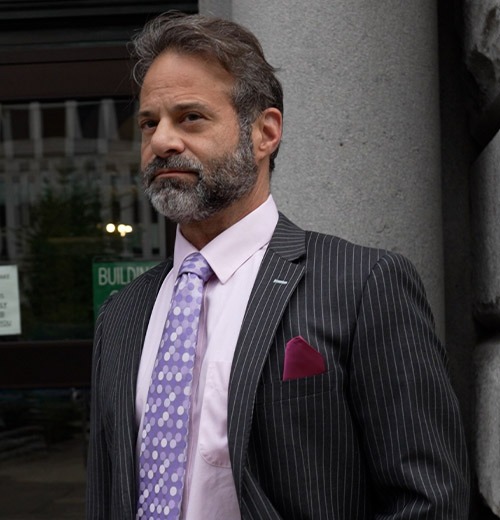
Rick Nicotra and the Buffalo motorcycle injury attorneys at The Nicotra Law Firm represent riders hurt by negligent drivers. If you have questions after a crash, their team is here to help.