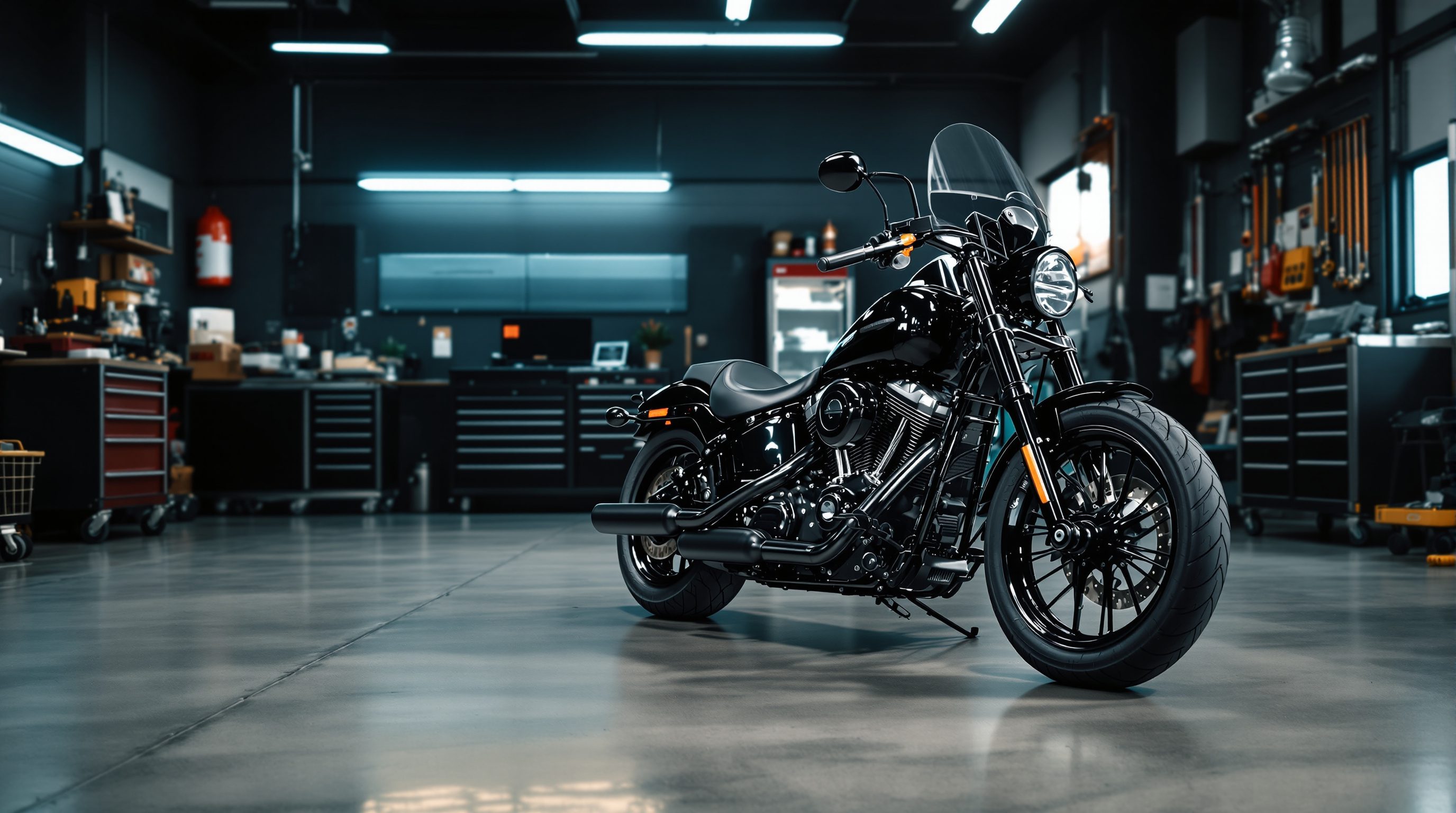
Total Loss: How New York Insurers Value Your Wrecked Motorcycle
You did not just lose a vehicle. You lost the bike you spent summers on, from Route 5 along Lake Erie to Ellicottville and Letchworth. Then the adjuster calls with a number that feels like an insult. When a motorcycle is a total loss, the insurer does not pay what you paid, what you would pay to replace it, or what the bike means to you. It pays what it calls actual cash value, and the gap between their number and the real one can run into the thousands. Here is how New York insurers value a wrecked bike, where they cut corners, and how to push back on a lowball.
What Actual Cash Value Really Means
Actual cash value, or ACV, is what a comparable bike would sell for in your area right before the crash. It is not the sticker price and not a replacement cost. It is a market estimate, and the insurer's vendor builds it from a database of comparable sales and listings.
In New York, a vehicle is generally treated as a total loss when the repair cost climbs to about 75 percent of its pre-accident value. On a motorcycle, that line gets crossed fast. A bent fork, a cracked frame, and damaged bodywork can total a bike that felt like it only slid a few feet.
How Insurers Lowball the Number
The value report is not gospel. It is an opening offer, and the details are where the money hides. Watch for these moves.
- ✓ Wrong comps.. They use bikes with higher mileage, worse condition, a different trim, or from a different market, when your bike was clean and low miles.
- ✓ Condition markdowns.. They knock the value down for wear you do not think you had, with no photos to back it up.
- ✓ Ignored upgrades.. Aftermarket exhausts, saddlebags, windshields, custom paint, and performance parts get left out or undervalued.
- ✓ Missing taxes and fees.. New York rules generally require sales tax and title and registration fees to be included in a total loss payment, so check that yours does.
- ✓ Slow timelines.. Delays push you toward taking the first offer just to be done.
Build Your Own Case for Value
You do not have to accept their number. Pull together your own comps: recent sales and dealer listings for the same year, make, model, trim, and similar mileage in Western New York. Buffalo pricing may differ from a national database, and a bike in a cold market is not the same as one in a warm market.
Then document what you did to the bike. Keep receipts for tires, service, and upgrades. Send photos from before the crash, since your phone is full of shots of the bike at Zoar Valley or a Thruway rest stop. Documented condition is the best defense against a condition markdown.
Aftermarket Parts and Your Riding Gear
Insurers often ignore aftermarket parts unless you prove them. Send an itemized list with receipts and photos. If a part was bolted on, it can be part of the bike's value. Custom work you cannot document is work they will not pay for.
Your gear is a separate issue. Helmet, jacket, gloves, boots, and electronics were damaged in the crash and are personal property, not part of the bike's ACV. In a liability claim against an at-fault driver, replacement of damaged gear is generally something you can claim, so keep the helmet and everything else you wore, and do not throw it away.
Disputing the Offer, Salvage Titles, and Gap Insurance
Reject the first offer in writing, and send your comps and records. Many policies also have an appraisal clause that lets each side name an appraiser, which is an option if you hit a wall. Do not sign a release until you are sure the number covers the bike, and never let a property settlement be bundled with a release of your injury claim.
If you keep the bike, expect it to carry a salvage designation, which can make it difficult to insure and register and cuts resale value. Ask about the salvage deduction before you decide. If you owe more on the loan than the ACV, gap insurance or a loan payoff rider can cover the difference, so check your policy and the finance contract right away.
Property damage is only part of the story. If you were hurt, the injury claim is separate, motorcyclists are excluded from no-fault PIP in New York, and the liability claim and UM coverage carry the weight. New York's pure comparative negligence rule (CPLR 1411) reduces recovery by your share of fault but never bars it.
Led by Rick Nicotra, The Nicotra Law Firm in Buffalo fights for injured motorcyclists. Reach out to their Buffalo motorcycle accident attorneys anytime you need real answers.