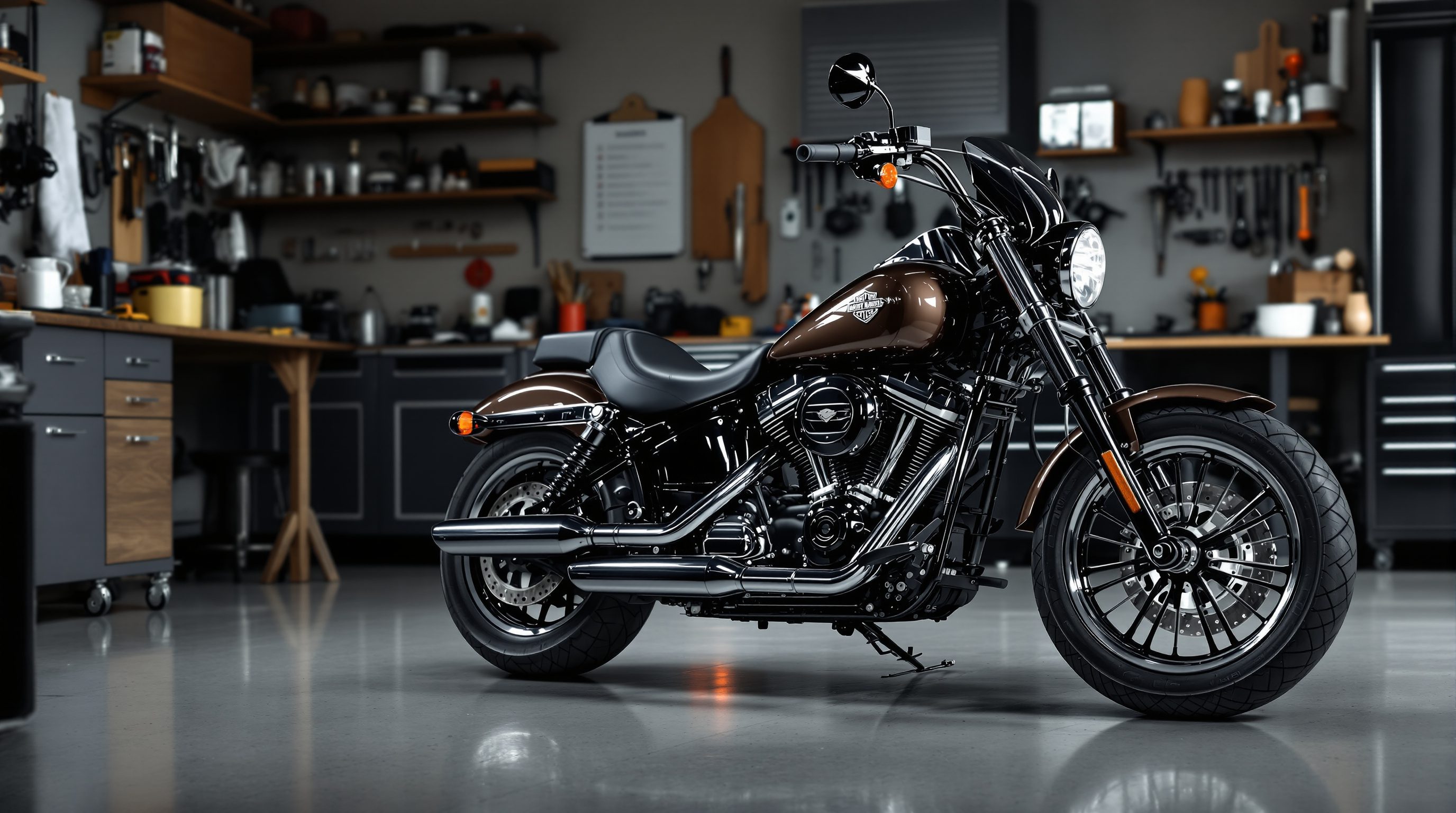
Spring-Ready: The Buffalo Rider's Pre-Season Checklist
Buffalo winters are long, and the bike has been sitting through most of them. The first warm Saturday hits, the salt is finally washed off the streets, and every rider in Western New York starts itching to roll the garage door up. Hold on a minute. A bike that sat for four or five months, and a rider who did not ride for the same stretch, both need a check before you point it toward Letchworth, Ellicottville, or Route 5 on Lake Erie.
Start With a Real Walkaround
Wheel the bike out into daylight and look at it with fresh eyes. A long snowy layup is hard on rubber, fluids, and electrics. Fuel that sat all winter can go stale, and a battery that was not on a tender may be weak or dead. Look for anything that leaked, chewed, or nested while the bike sat, since mice and insects love a cold garage. Cold and moisture also leave brake fluid and coolant in worse shape than you think. This is the moment to catch a problem in the driveway instead of on the Thruway.
Fuel, Battery, and the Fluids You Cannot See
Start with the battery, because it is the most common reason a bike will not fire on the first warm day. Charge it fully, clean the terminals, and test it under load. If the bike sat with untreated fuel, drain what is stale and refill, and consider a fuel-system check if it runs rough or hesitates. Give the brake and clutch fluid a hard look, since moisture builds up in fluid over a long winter and softens the lever feel. Coolant should be at the right level and not milky or rusty, and the air filter and any rodent damage deserve a look. Warm the engine up gently, and listen for anything that does not sound right.
The Spring T-CLOCS Checklist
T-CLOCS is the standard pre-ride inspection, and a long layup means every letter deserves real attention before you go.
- ✓ T is for tires and wheels. Check pressure, tread, sidewalls, and the age code. Tires flat-spot and harden over a winter, and old rubber grips poorly. Inspect the wheels and spokes for damage
- ✓ C is for controls. Check levers, cables, throttle return, brake feel, and clutch action. Spongy brakes or a stiff throttle after storage are a warning
- ✓ L is for lights and electrics. Test the headlight, brake light, turn signals, and horn. Check the battery, its terminals, and charging output, since batteries are the classic casualty of winter
- ✓ O is for oil and fluids. Change the oil if it was not done before storage, and check coolant, brake fluid, and clutch fluid. Look under the bike for drips
- ✓ C is for chassis. Check the frame, swingarm, suspension, fasteners, chain or belt tension, and steering head bearings for play or corrosion
- ✓ S is for stands. Check the kickstand and center stand, including springs and the safety cutout, so the bike does not fall over when you park
Road Salt, Potholes, and Rusty Skills
Buffalo road salt is hard on metal. Check exposed fasteners, exhaust, brake lines, wiring connectors, the chain, and the frame welds for corrosion, and give the bike a thorough wash if it saw any winter miles. Then expect the brutal pothole season. Frost heaves and craters open up across the Thruway, the 33 Kensington, the 198 Scajaquada, the Skyway, and half the side roads, and a hole you cannot see at speed can upset a bike in a corner. Sand and gravel left by plows will sit on the pavement for weeks, so treat every corner with suspicion early on. Your skills are rusty too. Spend an hour in an empty lot on braking, slow-speed turning, and emergency swerving before you join traffic, and ease into the first few rides instead of riding like it is September.
Insurance and UM Re-Check Before the First Run
Before the first run to Letchworth, Ellicottville, or a lakeside cruise down Route 5, take ten minutes for your paperwork. Confirm that your motorcycle policy is active and that your registration and inspection are current. Remember that New York's no-fault law excludes motorcycles, so you do not have PIP to fall back on if you are hurt. That makes health coverage and your uninsured and underinsured motorist coverage the real backstop. New York requires drivers to carry only 25/50/10 in liability, which can be gone fast in a serious crash, so ask whether your UM limits are high enough. New York also has a universal helmet law with no exceptions, so check that your DOT helmet is sound and not past its life. If you are ever hurt, New York generally gives you three years to file an injury claim, but the better plan is a bike, a rider, and a policy that are all ready before that ever matters.

Rick Nicotra and the Buffalo motorcycle accident attorneys at The Nicotra Law Firm represent riders hurt by negligent drivers. If you have questions after a crash, their team is here to help.