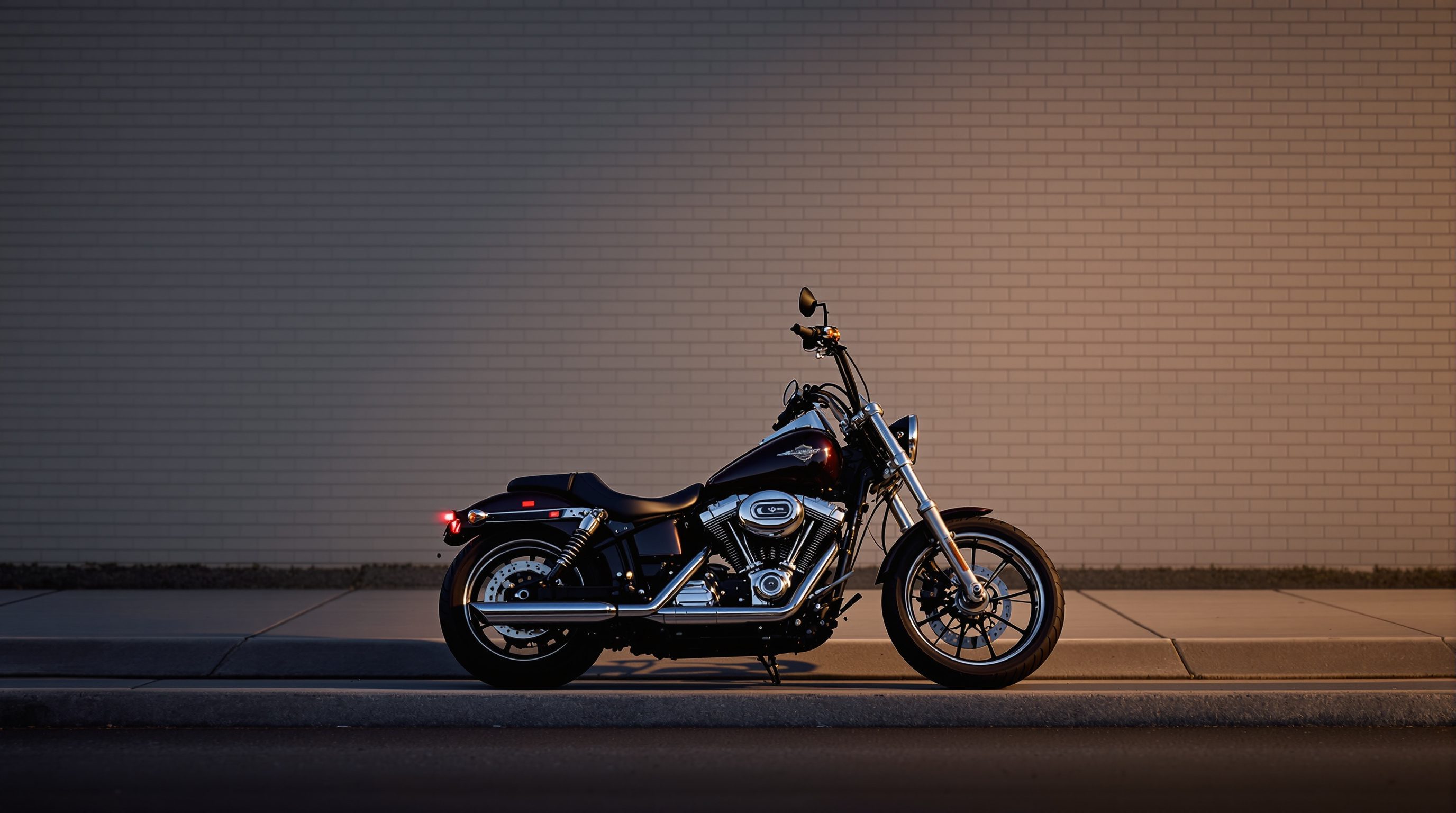
Rideshare Crashes and Motorcyclists in Buffalo: Who Pays When an Uber Hits You
Uber and Lyft cars are everywhere in Buffalo now, from downtown and Allentown to the airport and the Niagara Falls run up the I-190. They are rushing to a pickup, staring at a phone, or circling a block they do not know. To a rider, that is a hazard on wheels. When one of them hits you, the question that decides your recovery is simple and confusing at the same time: who pays? The answer depends on what the driver was doing on the app at the moment of the crash. Here is how rideshare coverage works in New York, where the gaps are, and why a rider has to be careful about the one thing car occupants get that you do not.
Why the App Phase Decides Everything
A rideshare driver is not always on the clock in the eyes of the insurer. New York breaks it into phases, and the coverage available to you changes with each one. The phase is a fact you have to prove, and the company controls the data.
Uber and Lyft have the trip logs. The insurer will argue the driver was off the app, using the car personally, so their personal auto policy applies instead. That is why you want to lock down the timing early, with a lawyer sending a preservation demand for the app data before it is overwritten.
- ✓ App off.. The driver is on personal time, so their own personal auto policy applies, with the usual 25/50/10 minimums and all the gaps that come with them.
- ✓ App on, waiting for a request.. Coverage is generally lower liability limits, around 50/100/25, that apply while the driver is available but has no passenger.
- ✓ Trip accepted or passenger in the car.. The largest coverage tier applies, generally around $1.25 million, which is a very different recovery picture for a serious injury.
- ✓ Between phases.. Disputes are common at the moment a driver taps accept, arrives at a pickup, or ends a ride, and those moments deserve close attention.
Who Can Be Held Responsible
The driver is the first defendant, since a negligent driver is liable for the crash. Depending on the facts, the rideshare company can be pulled in through the insurance it is required to provide, and in some cases on other theories, such as the way it monitors and directs drivers.
Do not assume the company will do the right thing. The claims team for a multibillion dollar company is trained to move fast, get a statement, and close the file. Anything you say can be used to argue you were partly at fault, and under New York's pure comparative negligence rule every percentage point comes out of your recovery. You are never barred from recovering, but your share of fault reduces the number.
The Rider's Problem: No Motorcycle No-Fault
Car occupants in New York can use no-fault PIP for early medical bills and lost wages regardless of who is at fault. Motorcyclists are not covered by no-fault PIP. If an Uber hits you on Delaware Avenue, you cannot lean on PIP for your bills, so health insurance and the liability claim have to fill the hole.
That is why rideshare coverage matters so much for riders. The liability policy is the pot of money that pays for surgeries, rehab, and lost income, and the difference between the smaller and larger app-phase policies can be the difference between a full recovery and a partial one.
If the Driver Was Uninsured or the Coverage Falls Short
If the rideshare driver's coverage does not reach the full harm, your own uninsured and underinsured motorist coverage may help. UM is required on New York policies and is the rider's real backstop. Check your limits before you need them, and tell a lawyer about every policy you have, including a policy on another vehicle in your household.
Protect Your Claim from Day One
Report the crash to police and get the driver's name, plate, and which app they were using. Ask whether a passenger was in the car and get that person's contact details. Take photos of the scene and the phone mount in the car if you can. Get medical care right away, and do not give a recorded statement to Uber, Lyft, or any insurer before you have spoken with a lawyer.
Remember the deadline too. New York generally gives you three years to file a personal injury lawsuit, and a shorter Notice of Claim window applies if a city, county, or public entity like the NFTA is involved.
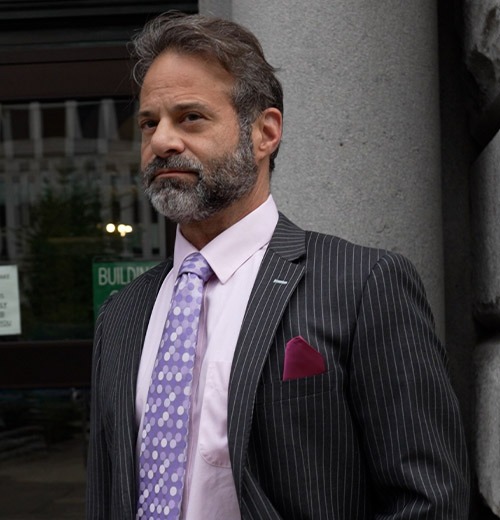
Rick Nicotra and the motorcycle accident lawyers in Buffalo at The Nicotra Law Firm represent riders hurt by negligent drivers. If you have questions after a crash, their team is here to help.