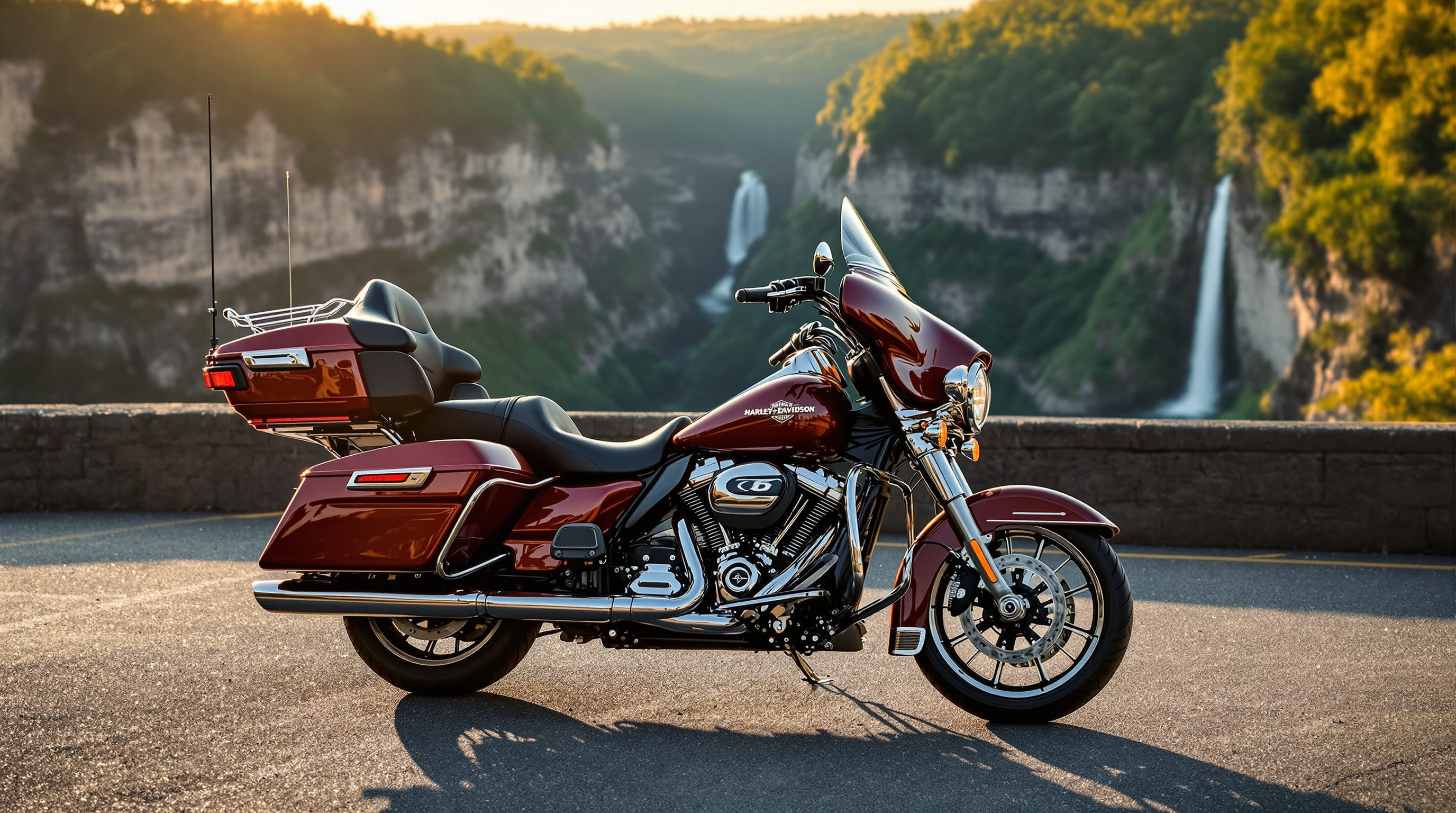
Passenger Injuries on a Motorcycle in New York: Who Pays?
You climbed on the back of the bike because you trusted the person up front, or because you wanted to see Letchworth from the saddle instead of a windshield. Then something went wrong, and now you are hurt, off work, and holding medical bills. If you were the passenger, you did not choose the route, the speed, or the lane. That matters a great deal in New York, and it changes who is supposed to pay.
Why a Passenger Starts in a Strong Position
A passenger does not steer, brake, or pick the gap in traffic. Under New York's pure comparative negligence rule, any recovery is reduced by the share of fault assigned to the injured person, and it is never barred outright. For a passenger, that reduction is usually small or zero, because the fault sits with the drivers. The insurer's usual playbook of blaming the rider has far less to work with when the person hurt was just along for the ride. The main exceptions are narrow, such as a passenger who grabbed the controls, distracted the operator, or knowingly rode with someone who was clearly impaired. Even then, pure comparative negligence means it is a percentage, not a wipeout.
The No-Fault Gap Hits Passengers Too
This is the part that surprises people. New York is a no-fault state, but the no-fault law excludes motorcycles. A passenger in a car can lean on no-fault PIP for early medical bills and lost wages, no matter who caused the wreck. A person riding on a motorcycle cannot. There is no automatic first-party account paying your ER bill, your physical therapy, or your missed paychecks. Your health insurance may cover treatment and then look to be paid back, and everything else has to come out of a liability claim. That is exactly why identifying every possible source of recovery early is the whole game for a passenger.
Where a Passenger's Money Can Come From
Most serious passenger claims are built from more than one source. Each one has its own rules, limits, and deadlines, and insurers rarely volunteer them.
- ✓ The at-fault driver's liability coverage. If a car turned left across the bike or ran a light on the 33 or Route 5, that driver's liability policy is the first target. New York only requires 25/50/10, and a serious injury can blow past it fast
- ✓ The motorcycle operator's liability coverage. If the rider was partly at fault, or the crash was a single-bike wreck on a wet Letchworth curve or a pothole on the 198, the operator's liability policy can cover the passenger
- ✓ Uninsured motorist coverage. New York requires UM coverage on auto policies. If the at-fault driver has no insurance or flees the scene, UM under the policy that applies can be a critical source, and how it applies to a passenger depends on the policies involved
- ✓ Underinsured or supplemental coverage. If the at-fault driver only carries the minimum, any supplemental underinsured coverage available to you or the operator may help fill the gap, and the policy language decides how
- ✓ Your own household policies. A passenger may have coverage under their own auto policy or a family member's, and those policies are easy to overlook. Ask for the declarations pages
- ✓ Health insurance and medical liens. Health insurance often pays first for treatment, but it may come with a right of reimbursement, which affects what you actually keep
When the Rider Is Your Friend or Partner
This is the awkward reality. Many passenger claims involve someone you love, and the idea of making a claim can feel like accusing them. In practice, an operator's liability claim is against their insurance company, not their bank account, and that coverage exists for exactly this. Still, the insurer will call, and it may call you first, sounding friendly and asking for a recorded statement. Be careful. Your words can be used to argue that the rider, the other driver, or you shares the blame. Talk honestly with the rider about what is going on, but do not give a statement to any insurer until you understand your options. If there is a conflict of interest between you and the operator, you may need separate representation.
Steps to Protect Your Passenger Claim
See a doctor right away and follow the treatment plan, because gaps in care become excuses to shrink a claim. Photograph your injuries, the bike, the road, and the intersection. Get names and numbers of witnesses and note any nearby cameras, since footage on busy roads like the Kensington Expressway or the Skyway disappears quickly. Keep every bill, and keep a simple pain and missing-work journal. Do not accept a quick check or sign a release before you know your full medical picture. And remember the clock: New York generally gives you three years from the date of the crash to file a personal injury claim, though claims involving a government vehicle or road can carry much shorter notice deadlines, so do not wait to ask.
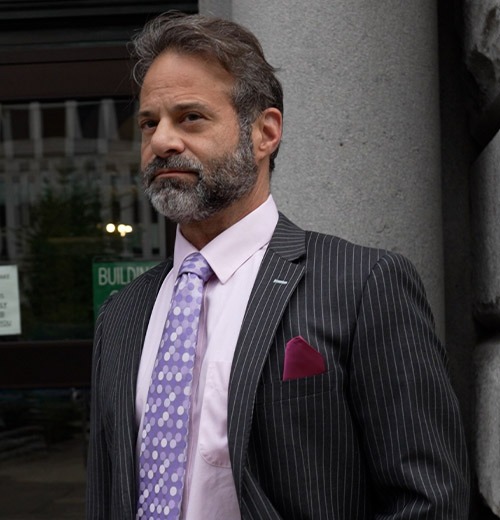
Have questions after a wreck? Rick Nicotra and the Buffalo motorcycle injury attorneys at The Nicotra Law Firm (866nicotra.com) review rider claims and explain your options.