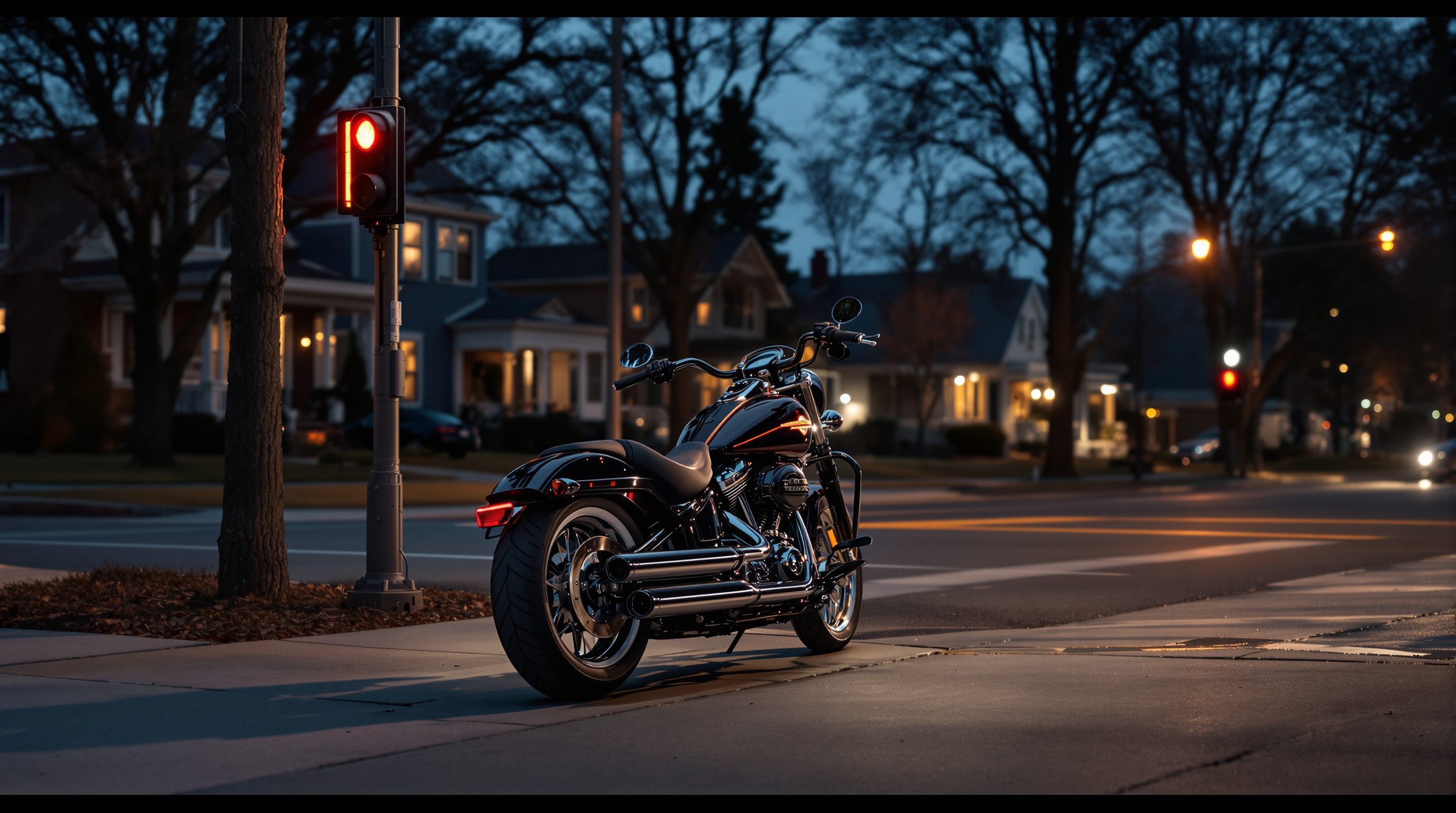
Left-Turn and Intersection Crashes in Buffalo: Proving the Other Driver's Fault
You had the green. You were doing the speed limit on a Buffalo avenue, and a car sitting in the oncoming lane decided to go. In half a second it was across your path, and you had nowhere to go. The driver climbs out and says the words every rider has heard: I never saw him. That sentence is not an excuse. It is an admission, and it is where your claim begins.
Why Drivers Turn Left Into Riders
Left-turn crashes are among the most common ways riders get hurt, and they happen on the streets Buffalo riders use every day, from wide arterials to the busy crossings near the 198 Scajaquada and the Kensington Expressway ramps. A motorcycle has a narrow profile, so drivers misjudge how far away it is and how fast it is closing. A single headlight can be lost against a bright sky or a row of cars. The driver looks, sees an empty gap, and goes, when the gap was simply a bike they did not register. Being small does not lower the driver's duty. Drivers must yield to oncoming traffic when turning left, and looking without seeing is still failing to look.
Failure to Yield Is the Core of the Case
New York's rules on right of way are on your side in the typical left-turn wreck. A driver turning left must yield to oncoming vehicles that are close enough to be an immediate hazard, and a motorcycle traveling straight through an intersection is exactly that. When a driver fails to yield and turns into you, that is negligence. The insurer will still look for a way to shrink the claim, so the goal is to build the story before anyone can rewrite it.
How to Prove the Other Driver Was at Fault
Fault cases are won on evidence collected early. Video and witnesses can vanish within days, so these are the pieces that matter most.
- ✓ Cameras and video. Look for traffic cameras, business security cameras, doorbell cameras, buses, and dashcams. Ask for it quickly, because much footage is overwritten within days
- ✓ Independent witnesses. People who saw the turn but have no stake in the outcome carry real weight. Get names and phone numbers before they leave the scene
- ✓ The driver's own words. I never saw him or I did not see the bike is powerful. Note it, tell the police, and do not argue with the driver at the scene
- ✓ The police report. Ask that the report record where each vehicle was, who had the green, and any statements. Read it and flag errors early
- ✓ Scene and vehicle evidence. Photograph skid marks, the point of impact, signal timing, sight lines, and damage to both vehicles. Damage patterns can show who turned into whom
- ✓ Medical records. Consistent, prompt treatment ties your injuries to the crash and closes off the argument that you were hurt some other way
How the Insurer Tries to Shift Blame Anyway
Because New York uses pure comparative negligence, your recovery is reduced by whatever percentage of fault is put on you, but you are never barred from recovering. That is fairer than a hard bar, but it gives the insurer a reason to hunt for any percentage it can pin on you. Expect the arguments: you were speeding, you were lane-splitting or weaving, you had no reflective gear, your headlight was not bright enough, you could have braked or swerved, or you were following too closely. Every point is aimed at moving fault from the driver to the rider, because five or ten or twenty percent off a large claim is real money. Do not speculate about your speed or say you might have avoided it. Stick to what you know, and let the evidence answer the rest. Your speed, position, and reaction can often be checked against video and physical evidence.
Your Coverage After an Intersection Crash
Remember that no-fault PIP excludes motorcycles, so your medical bills and lost wages do not start out covered by an automatic policy. Your claim runs through the turning driver's liability coverage, which in New York may be as low as 25/50/10, and through your own uninsured or underinsured motorist coverage if the driver has too little insurance or none. That is why the size of your own UM coverage is worth knowing before you ever need it. New York generally gives you three years from the crash to file, but do not wait, because the evidence that proves a left-turn case does not keep.
Rick Nicotra and the motorcycle accident lawyers in Buffalo at The Nicotra Law Firm represent riders hurt by negligent drivers. If you have questions after a crash, their team is here to help.