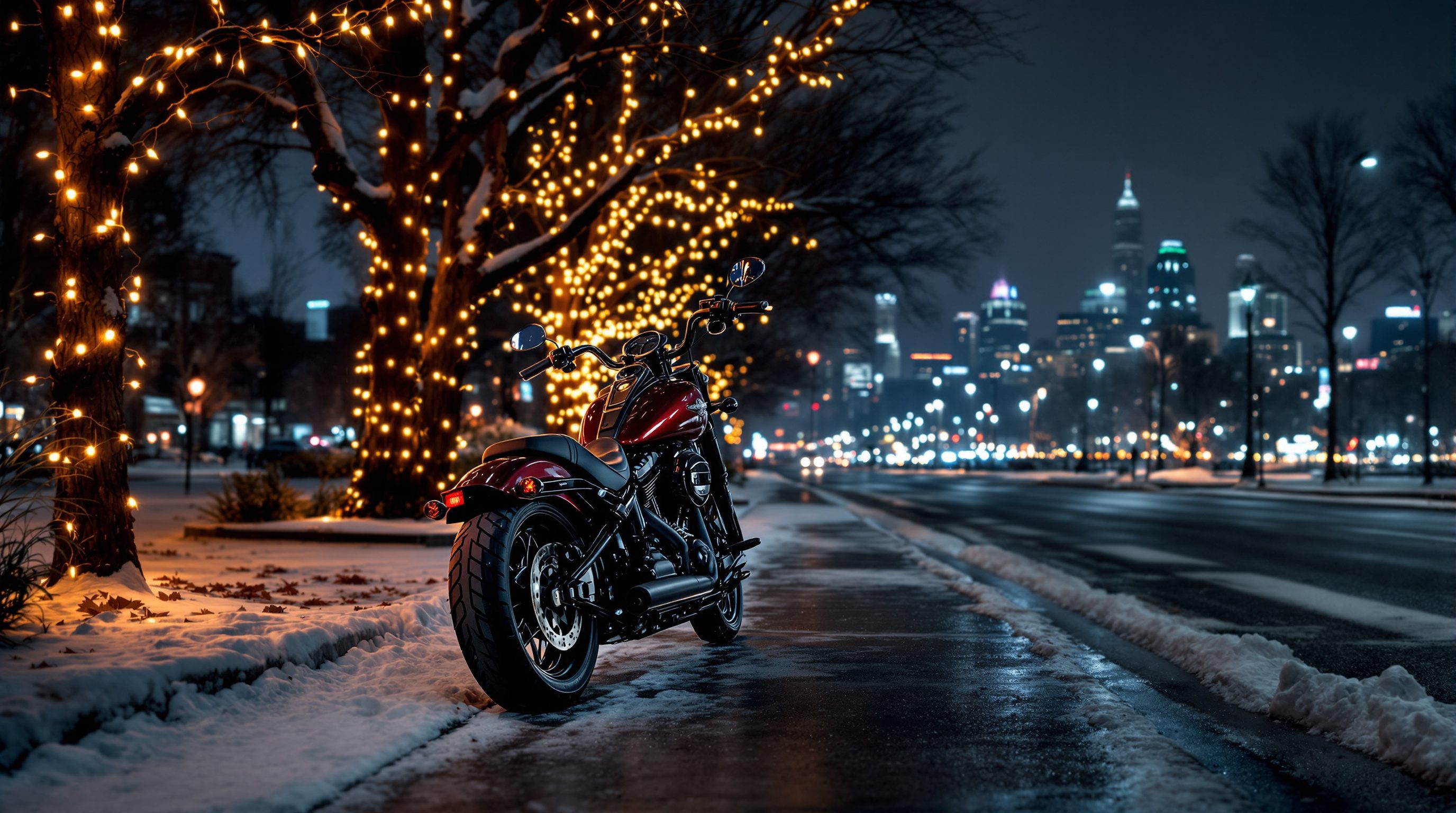
Holiday DWI Season in Buffalo: When a Drunk Driver Hits a Rider
December in Buffalo means dark by late afternoon, lake-effect slop on every ramp, and packed bars from Elmwood to Chippewa to the Southtowns. It is also the worst stretch of the year to share the road with a drunk driver. Holiday parties, Bills game nights, and people who treat one more round as no big deal pour onto the I-190, the 33 Kensington Expressway, and Route 5 after last call. If one of them hits you on your bike, that crash is not your bad luck. It is their choice, and New York law gives you real leverage because of it. Here is what a drunk driver's fault means for your claim, who else can be on the hook, and how to protect yourself through the darkest weeks of the year.
A Drunk Driver's Fault Is Your Strongest Asset
New York follows pure comparative negligence. Your recovery is reduced by your share of fault, but it is never barred entirely. You do not fall off a cliff at 51 percent. The math just scales with fault.
That already helps riders, because adjusters love to pin blame on the person on two wheels. A DWI stacks the deck further in your favor. When the other driver tests over 0.08, or over 0.18 for aggravated DWI, the impairment is documented in a breath or blood test, field sobriety results, and often a criminal charge. That is hard evidence you were not the careless one, and it makes it tough for their insurer to shove a big fault percentage onto you.
Expect the Insurer to Still Fight
A clean DWI does not mean the insurance company rolls over. Every percentage point of fault they can assign to you comes straight out of your recovery, so expect the usual moves.
Expect them to say you were speeding on the Thruway, that you should have seen the driver drifting, or that lake-effect slush and early dark made riding a risk you chose. Do not give a recorded statement, and do not guess about speed or injuries. Preserve the evidence early, before the video is overwritten and the witnesses forget.
- ✓ Photos and video.. Get the vehicles, the road, and any skid marks before the plow or the tow truck erases them.
- ✓ Witnesses.. Bar patrons, other drivers, and passersby who saw the driver stumble out to the car are gold.
- ✓ The police report and arrest record.. Impairment findings, BAC results, and charges all support your fault picture.
- ✓ Your medical records.. Start treatment right away and follow it, because gaps become the insurer's argument.
- ✓ Your gear.. Keep the helmet, jacket, and damaged bike as evidence and do not toss anything.
Dram Shop Liability: The Bar Can Be Liable Too
New York has a Dram Shop Act (General Obligations Law 11-101) and a related Alcoholic Beverage Control Law rule against serving a visibly intoxicated person. If a bar, restaurant, or other licensed seller served your driver after they were visibly drunk, that business can be liable for the harm the driver caused.
This matters because many drunk drivers carry only the state minimum of 25/50/10, and some carry nothing. A bar or restaurant usually carries its own liability policy, which can add a real source of recovery. Receipts, bar tabs, credit card records, and witness accounts of how much the driver drank are worth their weight. They can disappear quickly, so do not wait.
Low Coverage, No Coverage, or a Driver Who Flees
A drunk driver who runs is common, since they know what a breath test will show. If the driver is never found, or is found with no insurance or only minimum limits, your own uninsured and underinsured motorist coverage is your backstop. UM is required on New York auto policies, but confirm the limits on your motorcycle policy, because riders often carry less than they think.
And remember what New York does not give you. No-fault PIP excludes motorcycles, so you cannot tap it for your medical bills and lost wages the way a car occupant can. Your health insurance, your UM coverage, and the liability claim are the pieces that carry your recovery. Punitive damages may also be available against a drunk driver in serious cases, something a lawyer can evaluate.
Watch the Clock
New York generally gives you three years from the crash to file a personal injury lawsuit. Dram shop claims, and any claim that involves a city, county, or public entity, can run on shorter rules, and a Notice of Claim can be due within 90 days for public entities. Do not assume you have three years on every piece of your case.
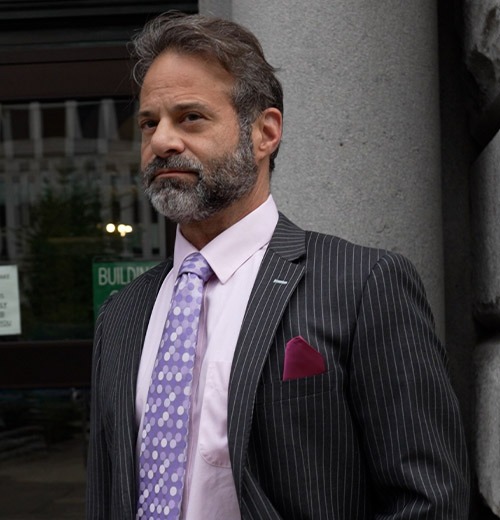
Rick Nicotra and the Buffalo motorcycle injury attorneys at The Nicotra Law Firm represent riders hurt by negligent drivers. If you have questions after a crash, their team is here to help.