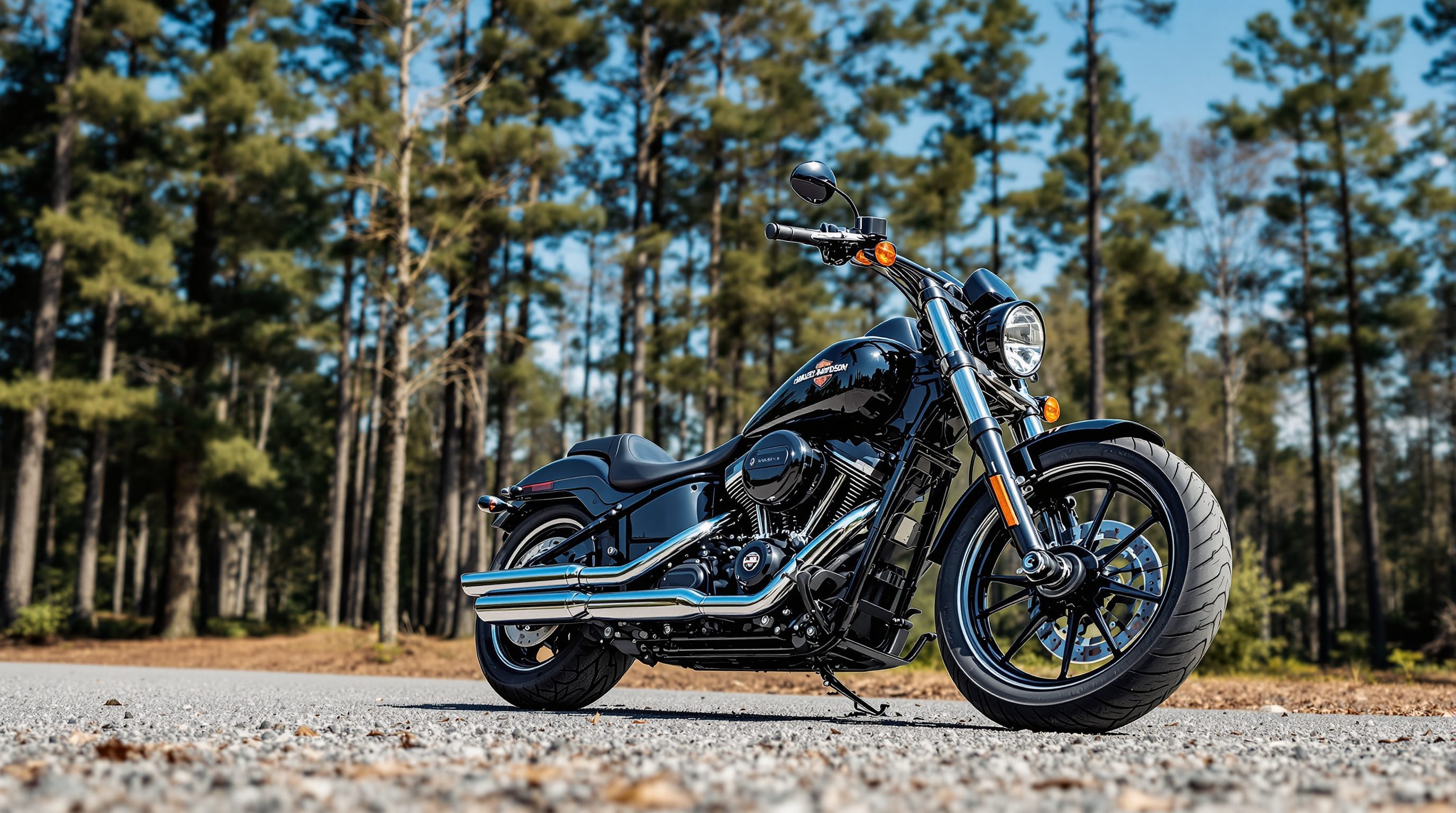
Is Lane Splitting or Filtering Legal in Georgia in 2026?
Ride the Downtown Connector at rush hour and the temptation is obvious. Four lanes of cars sitting dead still, and you on a bike that could thread between them and be gone. Every summer the myth makes the rounds again that Georgia quietly legalized it, or that filtering up to the light is fine as long as you are careful. Heading into 2027, let us kill that rumor cleanly. Lane splitting and lane filtering are illegal in Georgia. Not a gray area, not unenforced, not about to change. Here is what the statute actually says, the one thing riders confuse it with, why Georgia is not Colorado or Utah, and what splitting does to your injury claim if a car clips you while you are doing it.
The Short Answer: Still Illegal in 2026
Lane splitting means riding between lanes of moving or stopped traffic, usually to get past a jam. Filtering is the slower-speed cousin, easing between stopped cars up to a red light. Some states have carved out narrow legal room for one or both. Georgia has not. As of 2026 and going into 2027, both are against the law here, full stop.
That matters even if you have never gotten a ticket for it. The illegality does not just risk a citation. It hands the other side's insurance company a ready-made argument that the crash was your fault, and in Georgia that argument can cost you everything.
What O.C.G.A. 40-6-312 Actually Says
The controlling statute is O.C.G.A. Section 40-6-312, the Georgia law on operating motorcycles on laned roadways. In plain terms it does a few things. It gives you full use of a lane, meaning a car is not allowed to crowd you out of your own lane. It then prohibits a motorcycle from overtaking and passing another vehicle in the same lane that vehicle is using. And it bars operating a motorcycle between lanes of traffic or between adjacent lines or rows of vehicles.
That last part is the lane-splitting ban in black and white. Riding the white line between two lanes of cars, moving or stopped, is exactly what the statute forbids. Filtering up between stopped rows to the front of a light falls under the same prohibition. The rule does not care whether traffic is crawling or parked.
Two Abreast Is Legal, Splitting Is Not
Here is the piece riders mix up. The same statute says motorcycles may not be operated more than two abreast in a single lane. Read that closely. It means two riders are allowed to share one lane side by side, up to two of them. That is legal, and it is a normal way for a group to ride.
What it is not is permission to split. Two bikes riding two abreast are both inside one lane, in their own space, not weaving between cars. Sharing a lane with another motorcycle is fine. Sliding your bike between lanes of cars is the thing the law bans. Do not let the two-abreast rule fool you into thinking Georgia is loose about lane position. It is not.
Georgia Is Not Colorado or Utah
You have probably seen the news that some states now allow filtering. Utah legalized limited lane filtering years ago, and Colorado passed its own law more recently. Riders hear that and assume the rest of the country is following, but Georgia has not acted.
No Georgia bill has legalized lane splitting or filtering. What is legal in Salt Lake City or Denver has no effect on I-285. If you learned to filter out west, unlearn it the moment you cross into Georgia, because here the same move is a violation and a gift to the insurance company.
What Splitting Does to Your Claim Under the 50 Percent Bar
This is where it gets expensive. Georgia uses modified comparative negligence with a hard 50 percent bar. Your recovery is reduced by your share of fault, and if you are found 50 percent or more at fault, you recover nothing at all. You have to be less than half to blame to collect a dime.
Now picture getting hit while splitting. Even if the driver did something wrong, like changing lanes into you, the fact that you were doing something illegal between the lanes lets their insurer pile fault onto you. They will argue you were where you were not allowed to be, that a driver could not reasonably expect a bike there, and that the wreck is mostly on you. Push your share to 50 percent and your claim is dead, no matter how badly you are hurt. In a 50 percent state, riding legally is not just about the ticket. It is about protecting your entire ability to recover.
What to Do in Atlanta Gridlock Instead
You cannot legally split the Perimeter, but you can ride the jam smart. Keep yourself out of the fault argument entirely.
- ✓ Hold your lane position.. Ride a normal, visible line in your lane. Do not drift toward the paint between cars, even when traffic is stopped.
- ✓ Build a space cushion.. Leave room ahead so you are not trapped between bumpers, and cover your brakes in stop-and-go.
- ✓ Stay out of blind spots.. Sit where mirrors can see you, and assume a distracted driver will change lanes without looking.
- ✓ Use your gear and lights.. High-viz, a modulating headlight, and bright braking make you the bike the texting driver actually notices.
- ✓ Ride the two-abreast rule right.. If you are with a group, share the lane legally, two abreast at most, and never between lanes of cars.

Michael Moebes and the Atlanta motorcycle accident attorneys at Moebes Law represent riders hurt by negligent drivers. If you have questions after a crash, their team is here to help.