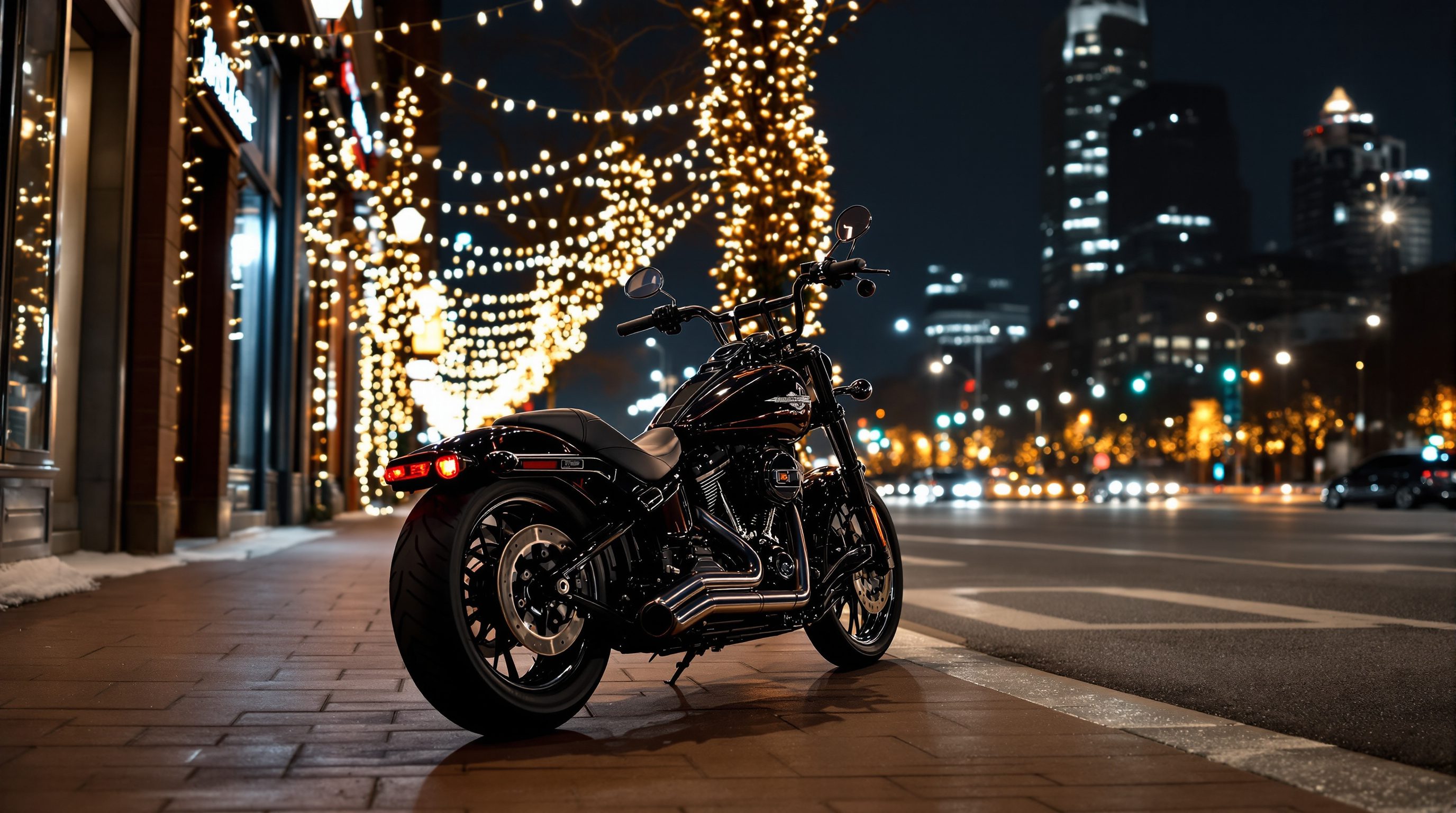
Holiday DUI Season in Atlanta: When a Drunk Driver Hits a Rider
December in metro Atlanta means early dark, cold clear nights, and packed bars from Buckhead to the Old Fourth Ward to Midtown. It is a fine time to be a rider on a quiet road, and the worst stretch of the year to share the pavement with a drunk driver. Holiday parties, office blowouts, and people who treat one more round as no big deal spill onto the Downtown Connector where I-75 and I-85 merge, out onto I-285 and GA-400, and down every surface street in between after last call. If one of them runs you down on your bike, that crash is not your bad luck. It is their choice, and Georgia law gives you real leverage because of it. Here is what a drunk driver's fault means for your claim, who else can be on the hook, and how to protect yourself through the coldest, darkest weeks of the year.
A Drunk Driver's Fault Helps You Beat Georgia's 50 Percent Bar
Georgia runs on modified comparative negligence, written into O.C.G.A. Section 51-12-33. Your recovery drops by your share of fault, and if you land at 50 percent or more you collect nothing. You have to stay under half the blame to recover at all. That bar is one point stricter than the 51 percent states, and adjusters know exactly where the line sits.
A documented DUI shoves that fight in your favor. When the driver blows over 0.08, fails field sobriety, and picks up a criminal charge, the impairment is on paper in the police report and the arrest record. That is hard evidence you were not the careless one, and it makes it a lot harder for the insurer to pin a big fault percentage on the rider. It does not make the claim automatic, but it stacks the deck the right way.
Expect the Insurer to Fight Anyway
A clean DUI does not make the insurance company roll over. Every percentage point they can move onto you comes straight out of your check, so expect the usual playbook. They will say you were speeding on the Connector, that you should have seen the driver drifting, that a cold wet night made riding a risk you chose. Do not give a recorded statement and do not guess about your speed or your injuries. Lock down the evidence early, before the video loops over and the witnesses scatter.
- ✓ Photos and video. Get the vehicles, the road, and any skid marks before the tow truck clears the scene.
- ✓ Witnesses. Bar staff, other drivers, and anyone who saw the driver stumble to the car is worth gold.
- ✓ The police report and arrest record. Impairment findings, BAC results, and charges all back your fault picture.
- ✓ Your medical records. Start treatment right away and follow it, because gaps become the insurer's argument.
- ✓ Your gear. Keep the helmet, jacket, and the damaged bike as evidence and do not toss anything.
Dram Shop: The Bar Can Be on the Hook Too
Georgia has a Dram Shop Act, O.C.G.A. Section 51-1-40. A provider that serves a noticeably intoxicated person who they know will soon be driving can be held liable for the harm that driver causes. This matters because a lot of drunk drivers carry only the state minimum, and some carry nothing. A licensed business usually carries its own liability policy, which can add a real second source of recovery. Receipts, bar tabs, card records, and witness accounts of how much the driver drank are worth chasing down fast, because they disappear.
Georgia Has No PIP, So Know Where Your Bills Get Paid
Georgia is an at-fault state with no no-fault system and no PIP. There is no automatic pot of money that pays your medical bills while fault gets sorted out. What carries you is your health insurance, MedPay if you bought it on your motorcycle policy, and your own uninsured and underinsured motorist coverage. UM and UIM have to be offered on Georgia policies, and against this state's long list of uninsured and minimum limits drivers, that coverage is often the real backstop. Confirm your limits now, because riders often carry less than they think. Georgia also requires a DOT helmet on every rider and passenger, which protects your health and takes away one more thing the insurer likes to argue.
Watch the Clock
Georgia generally gives you two years from the date of the crash to file a personal injury lawsuit. That is shorter than a lot of riders assume, and a claim that involves a city, county, or other public entity can carry its own shorter notice deadlines. Do not let the holidays run out the calendar. Talk to a lawyer while the evidence is still fresh.

Michael Moebes and the Atlanta motorcycle injury attorneys at Moebes Law represent riders hurt by negligent drivers. If you have questions after a crash, their team is here to help.