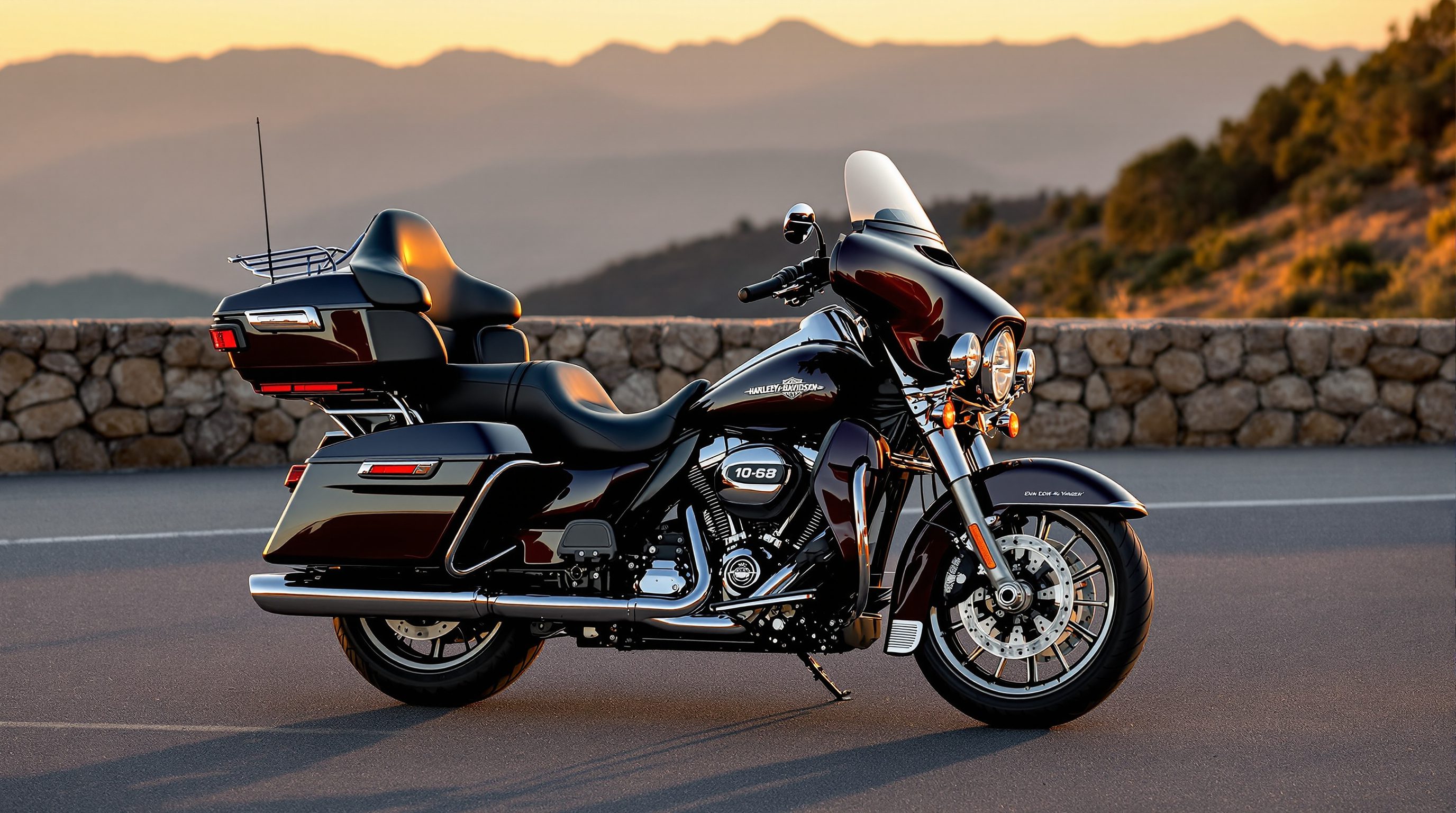
Hurt as a Passenger on a Motorcycle in California: Your Claim and Your Coverage
You were on the back of a friend's bike, cruising the Coronado Bridge or heading up to Julian, and a driver blew a left turn or drifted into your lane on I-5. Now you are the one in the hospital, and you did nothing but hold on. The good news for passengers is that California law treats you well. The bad news is the insurance companies still make you fight for it. Here is who you can claim against, how your coverage stacks, and why the no-PIP rule in California changes how your medical bills get paid.
As a Passenger, You Are Almost Never at Fault
A passenger does not control the throttle, the brakes, the lane position, or the decision to go for the gap. That means in almost every crash, none of the fault lands on you. You are simply an injured person, and the question is only which negligent driver pays, not whether you did something wrong.
That is a stronger starting point than the operator has. The rider up front can get hit with comparative fault arguments about speed or lane position. You usually cannot, because you were not the one making those calls. Adjusters know it, which is why they shift to a different game with passengers: arguing over how much your injuries are worth and which policy has to pay, rather than whether you are owed anything at all.
Who You Can Claim Against
As a passenger you often have more than one target for your claim, and that matters when one policy is too small to cover your injuries.
- ✓ The other driver.. If a car turned left across the bike or ran you down, the at-fault driver's liability insurance is your first claim, the same as it would be for anyone they hit.
- ✓ The operator of your own motorcycle.. This is the one passengers hesitate over, because it is usually a friend. But if the rider you were with was partly or fully at fault, their liability coverage exists for exactly this. You are claiming against a policy, not against the person, and comparative fault can split the bill between both drivers.
- ✓ Your own UM/UIM coverage.. If the at-fault driver has no insurance or not enough, your uninsured and underinsured motorist coverage can step in, and so can coverage on other policies you qualify under.
How UM/UIM Stacks to Cover You
California is full of drivers carrying only the new state minimum of 30/60/15, or no coverage at all. A serious injury blows past those limits fast, and that is where underinsured motorist coverage earns its keep.
As a passenger you may be an insured under more than one policy: the motorcycle's policy, your own auto policy, and sometimes a household member's policy you live with. How those stack, and in what order, is technical and worth having a lawyer map out, because doing it in the wrong sequence can leave money on the table. The point to remember is that low limits on the at-fault driver do not automatically cap what you recover. Your own coverage can be the difference between a token check and one that actually covers the surgery.
No PIP in California: How Your Medical Bills Get Paid
California is an at-fault state with no no-fault system and no personal injury protection. There is no PIP to tap for your bills while the claim plays out, which surprises a lot of injured passengers.
Instead your medical care runs through your health insurance, any MedPay on an applicable auto or motorcycle policy, and then gets reimbursed or liened out of the settlement at the end. MedPay is optional coverage that pays medical costs regardless of fault, and it is cheap, so it is worth confirming whether the bike or your own policy carries it. Do not sit on treatment waiting for someone to sort out who pays. Gaps in care become the insurer's argument that you were not really hurt.
Helmet Law, Comparative Negligence, and the Clock
California requires a DOT-compliant helmet for every rider and every passenger under CVC 27803, so if you had your helmet on you were doing exactly what the law asks. Even where fault is argued, California uses pure comparative negligence, so any share assigned to anyone only reduces a recovery, it never bars it. And you generally have two years from the crash to file a personal injury lawsuit under Code of Civil Procedure 335.1, with far shorter deadlines if a public entity is involved. Do not assume the clock is generous.

Have questions after a wreck? Maxwell Agha and the San Diego motorcycle injury attorneys at Banker's Hill Law Firm (bhlflaw.com) review rider claims and explain your options.