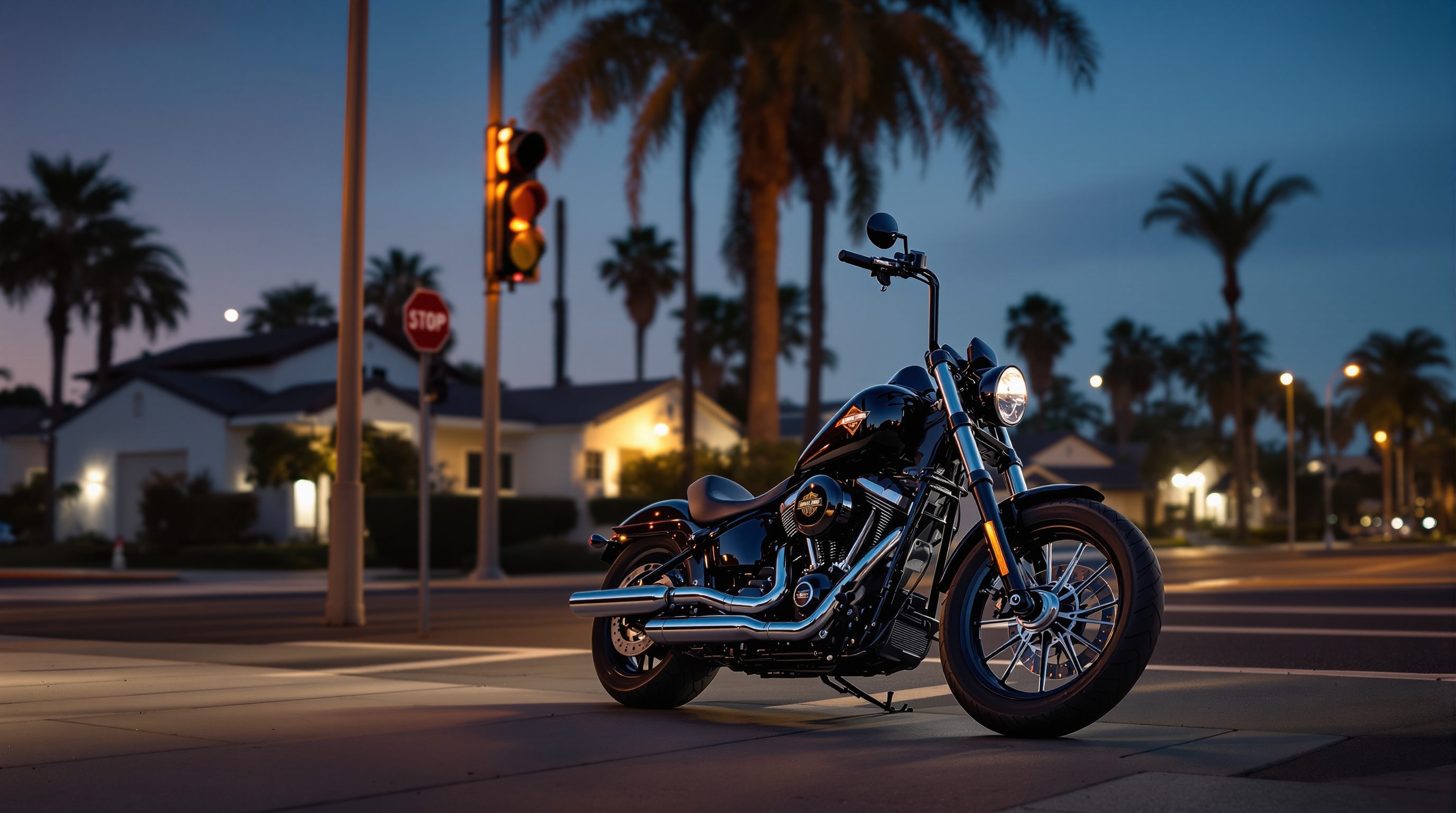
The Left-Turn Crash in San Diego: When a Driver Never Saw Your Motorcycle
It is the crash every rider dreads and almost every rider has nearly had. You are rolling straight through an intersection, a car coming the other way turns left across your path, and the driver climbs out saying the four words that start half of all motorcycle cases: "I didn't see you." It happens at busy San Diego intersections all day long, from the surface streets feeding I-8 in Mission Valley to the crossings off CA-94 and the ramps onto I-805. Here is why the turning driver almost always owes you the duty to yield, how the insurer still tries to pin some of the blame on you anyway, and the evidence that settles it.
Why the Left-Turning Driver Almost Always Owes You
California Vehicle Code 21801 is clear. A driver turning left must yield to any oncoming vehicle that is close enough to be a hazard, and must keep yielding until it is safe to complete the turn. Your motorcycle is a vehicle with the same right to the lane as any car. When a driver turns left across an oncoming rider who had the right of way, that driver has almost always violated 21801, and that violation is powerful evidence of negligence.
This is the strongest fact pattern a rider can have. You were going straight, in your lane, doing a completely ordinary thing. The other driver crossed your path and took away a right of way that was yours. The law starts on your side, and that changes the whole conversation with the insurance company.
"I Didn't See the Motorcycle" Is Not a Defense
Drivers say it like it excuses them. It does the opposite. A driver is required to look for and yield to oncoming traffic before turning left, and "I didn't see the motorcycle" is an admission that they failed to look carefully enough, not a reason they are off the hook.
Motorcycles are narrower and easier to misjudge than cars, which is exactly why the law puts the burden on the turning driver to make sure the way is clear before committing. Not seeing you is the failure. It is not the alibi.
How Insurers Still Try to Put Fault on You
A strong right of way does not stop the adjuster from reaching for your share of the blame, because under pure comparative negligence every percentage point they move onto you comes off your recovery. Expect the usual angles.
- ✓ Speed.. They will claim you were going too fast to be seen or stopped in time, often with nothing but a guess behind it, because a speeding rider can be assigned part of the fault even when the driver failed to yield.
- ✓ Lane position.. They will argue you were in the wrong part of the lane, or lane splitting when you should not have been, even though lane splitting is legal in California under VC 21658.1.
- ✓ Conspicuity.. They will ask what color your gear was, whether your headlight was on, whether you could have been more visible, trying to turn their driver's failure to look into your failure to be seen.
None of that erases a left-turn violation. Under pure comparative negligence it can only reduce your recovery, never bar it, and the harder you nail down the facts, the less of it sticks.
The Evidence That Wins a Left-Turn Case
Left-turn cases are won on physical evidence and sightlines, not on whose story sounds better a year later. The crash scene tells the truth if someone captures it before it disappears.
Point of impact and vehicle damage show the geometry of the turn and who was where. The resting positions and any skid marks show speed and reaction. Signal timing and the sightlines at that specific intersection show what the driver could and should have seen. Independent witnesses, nearby business and traffic cameras, and your own helmet or bike cam carry more weight than any adjuster's reconstruction. The driver's own statement at the scene, especially the "I didn't see you," can lock in the failure to yield before anyone coaches them to soften it. The riders who keep their fault share near zero are the ones who preserved that evidence early, or had someone doing it while they were still being treated. The insurer starts building its version within days. Yours needs to be built too.
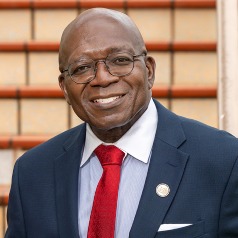
Maxwell Agha and the motorcycle accident lawyers in San Diego at Banker's Hill Law Firm represent riders hurt by negligent drivers. If you have questions after a crash, their team is here to help.