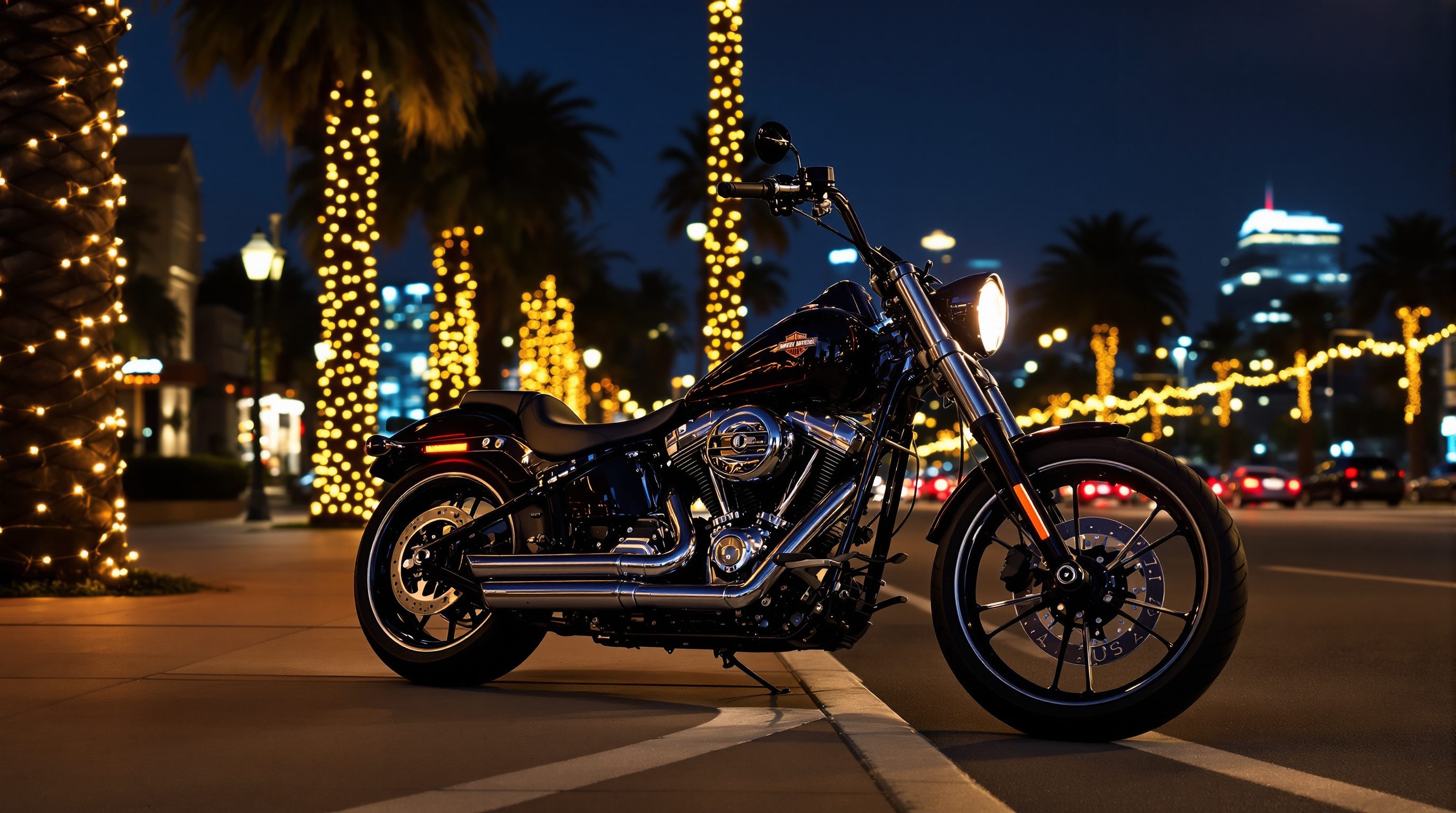
Holiday DUI Season in San Diego: When a Drunk Driver Hits a Rider
December in San Diego does not look like winter anywhere else. The days stay mild, the marine layer rolls in low over the coast, and the first real rains lift months of oil off the pavement and turn I-8 and CA-163 through Balboa Park slick. What actually spikes this time of year is drivers who have had too much. Holiday parties, game nights, and bar crawls through the Gaslamp and Pacific Beach put more impaired drivers on I-5, I-15, and I-805 after last call than any other stretch of the year. If one of them hits you on your bike, that crash is not your bad luck. It is their choice, and California law gives you real leverage because of it. Here is what a drunk driver's DUI means for your claim, who else might be on the hook, and how to protect yourself through the season.
A Drunk Driver's DUI Is Your Strongest Asset
California follows pure comparative negligence. Your recovery is reduced by your share of fault, but it is never barred entirely. There is no 51 percent cliff here, and even a rider who carries most of the blame can still recover something. The math just scales with fault.
That already helps riders, because adjusters love to pin blame on the person on two wheels. A DUI stacks the deck further in your favor. When the other driver tests at or over 0.08, the impairment is documented in a breath or blood test, field sobriety results, and often a criminal charge. That is hard evidence you were not the careless one, and it makes it tough for their insurer to shove a big fault percentage onto you.
Expect the Insurer to Still Fight
A clean DUI does not mean the insurance company rolls over. Every percentage point of fault they can assign to you comes straight out of your recovery, so expect the usual moves.
Expect them to say you were speeding on I-15, that your lane position was wrong even though lane splitting is legal in California, or that the first winter rains made riding a risk you chose. Do not give a recorded statement, and do not guess about speed or injuries. Preserve the evidence early, before the video is overwritten and the witnesses forget.
- ✓ Photos and video.. Get the vehicles, the road, and any skid marks before the tow truck erases them.
- ✓ Witnesses.. Other drivers and passersby who saw the driver stumble out to the car are gold.
- ✓ The police report and arrest record.. Impairment findings, BAC results, and charges all support your fault picture.
- ✓ Your medical records.. Start treatment right away and follow it, because gaps become the insurer's argument.
- ✓ Your gear.. Keep the helmet, jacket, and damaged bike as evidence and do not toss anything.
California Dram Shop Law Is Narrow, So Do Not Count On It
This is where California differs from a lot of states. California generally shields bars, restaurants, and social hosts from liability for the harm a drunk driver goes on to cause, even when they kept serving someone who was clearly hammered (Business and Professions Code 25602). There is a narrow exception tied to serving obviously intoxicated minors, but the general rule cuts against the third-party claim most riders assume they have. Do not assume the bar is on the hook. This is exactly the kind of point to put in front of an attorney who can look at the specific facts.
Low Coverage, No Coverage, or a Driver Who Flees
A drunk driver who runs is common, since they know what a breath test will show. If the driver is never found, or is found with no insurance or only the state minimum of 30/60/15, your own uninsured and underinsured motorist coverage is your backstop. California has a lot of uninsured drivers, so confirm the UM/UIM limits on your motorcycle policy, because riders often carry less than they think.
And remember what California does not give you. This is an at-fault state with no no-fault system and no PIP, so there is no personal injury protection to tap for your own bills. Your health insurance, any MedPay on your policy, and your UM/UIM coverage carry your medical costs, and they get reimbursed or liened out of the settlement later.
Watch the Clock
California generally gives you two years from the crash to file a personal injury lawsuit (Code of Civil Procedure 335.1). If a city, county, or other public entity is involved, the rules are far shorter, and a government claim can be due within six months (Government Code 911.2). Do not assume you have two years on every piece of your case.
Maxwell Agha and the San Diego motorcycle injury attorneys at Banker's Hill Law Firm represent riders hurt by negligent drivers. If you have questions after a crash, their team is here to help.