Winter Storage and Your Motorcycle Insurance in New York: Should You Drop Coverage?
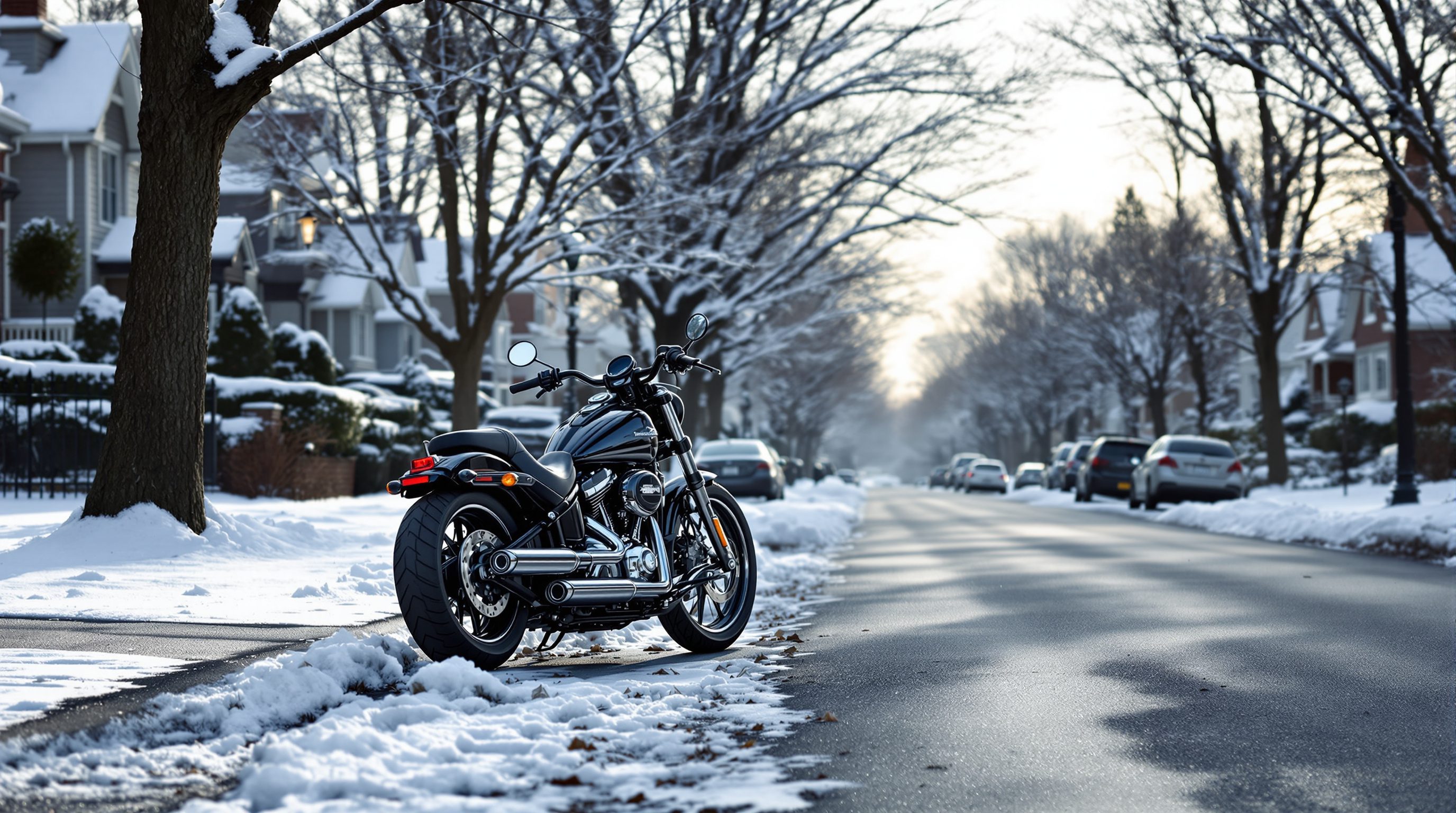
In the New York metro you park the bike for a real winter. From the first hard freeze until the salt is off the roads, the Harley sits in a Westchester garage or a Bronx storage unit while the Cross Bronx turns to slush. Every spring, riders ask the same question: why keep paying full insurance on a bike I am not riding? It is a fair question, and there is money to save if you do it right. But drop the wrong coverage, or let the policy lapse entirely, and you walk into spring paying more, exposed on theft, or short on the exact protection a New York rider cannot afford to lose. Here is how to think about it before you call your insurer.
What you can usually trim while the bike is parked
A motorcycle that is genuinely off the road all winter is not going to cause a crash, so the coverage tied to riding is where the savings are. Many New York riders reduce or suspend liability and collision for the months the bike is stored, since liability pays for damage you do to others while riding and collision pays for a crash that is not going to happen in a locked garage. Some insurers offer a formal storage or lay-up option that does exactly this for you. The key word is genuinely. If you plan to sneak the bike out on the first fifty-degree February day, you need liability in force, because riding on a suspended policy is both illegal in New York and a fast way to be personally on the hook for a crash.
What you should keep: comprehensive for theft and fire
Here is the coverage riders are tempted to cut and should not: comprehensive. Comprehensive pays when your bike is stolen, catches fire, floods, or is vandalized, and none of that stops because the bike is parked. A motorcycle in a storage unit or a shared Bronx garage is arguably more of a theft target sitting still all winter than it is out on the Saw Mill. Fire, burst pipes, and a roof leak do not check whether you are riding. For a few dollars a month, comprehensive keeps the actual machine protected during the exact months it is sitting unattended. Cutting liability to save money can make sense. Cutting comprehensive to save less usually does not.
The lapse trap: why a gap costs you in spring
The worst move is not trimming coverage, it is cancelling the policy outright and going without any insurance for the winter. New York tracks continuous coverage, and a lapse follows you. Insurers treat a gap as added risk, so the rider who cancelled in December often pays a higher rate when they reinstate in April, wiping out the winter savings and then some. A lapse can also complicate your registration status. And because New York excludes motorcycles from no-fault, the uninsured motorist and SUM coverage on your policy is your real backstop against the uninsured and hit-and-run drivers who fill this metro. Let the policy lapse and that backstop is gone the moment you ride again, sometimes before the new coverage is truly in force. Reduce coverage if it helps. Do not go bare.
- ✓ Keep comprehensive in force all winter. Theft, fire, flood, and vandalism do not pause while the bike is stored, and a parked bike can be an easier target.
- ✓ Ask about a storage or lay-up option. Many New York insurers let you suspend liability and collision for the off months instead of cancelling.
- ✓ Never let the policy fully lapse. A coverage gap can raise your spring rate and leave you without the uninsured and SUM protection riders depend on.
- ✓ Restore full coverage before the first ride. Do not roll the bike out on a warm February day while liability is suspended; put it back in force first.
- ✓ Check your loan or lease terms first. A lienholder almost always requires you to keep full coverage, storage or not.
Lienholder rules and the SUM gap to watch
If you are still paying off the bike, the decision may not be yours to make. A lender or lessor named on your policy almost always requires you to carry comprehensive and collision for the life of the loan, and dropping them can put you in breach of the loan agreement, sometimes triggering costly force-placed insurance the lender buys on your behalf. Read your loan terms before you touch a thing. Even if you own the bike outright, watch the SUM line while you adjust coverage. Supplementary underinsured motorist coverage is the single most important protection a New York rider carries, because it steps in when the driver who hits you is uninsured or carries only the 25/50/10 minimum. Keep that coverage continuous through the winter so it is there the day you ride in spring. Save on the coverage that only matters when the wheels are turning, and protect the coverage that protects you.

Led by Mary Ellen O'Connor, O'Connor Law in New York fights for injured motorcyclists. Reach out to their motorcycle accident lawyers in New York anytime you need real answers.