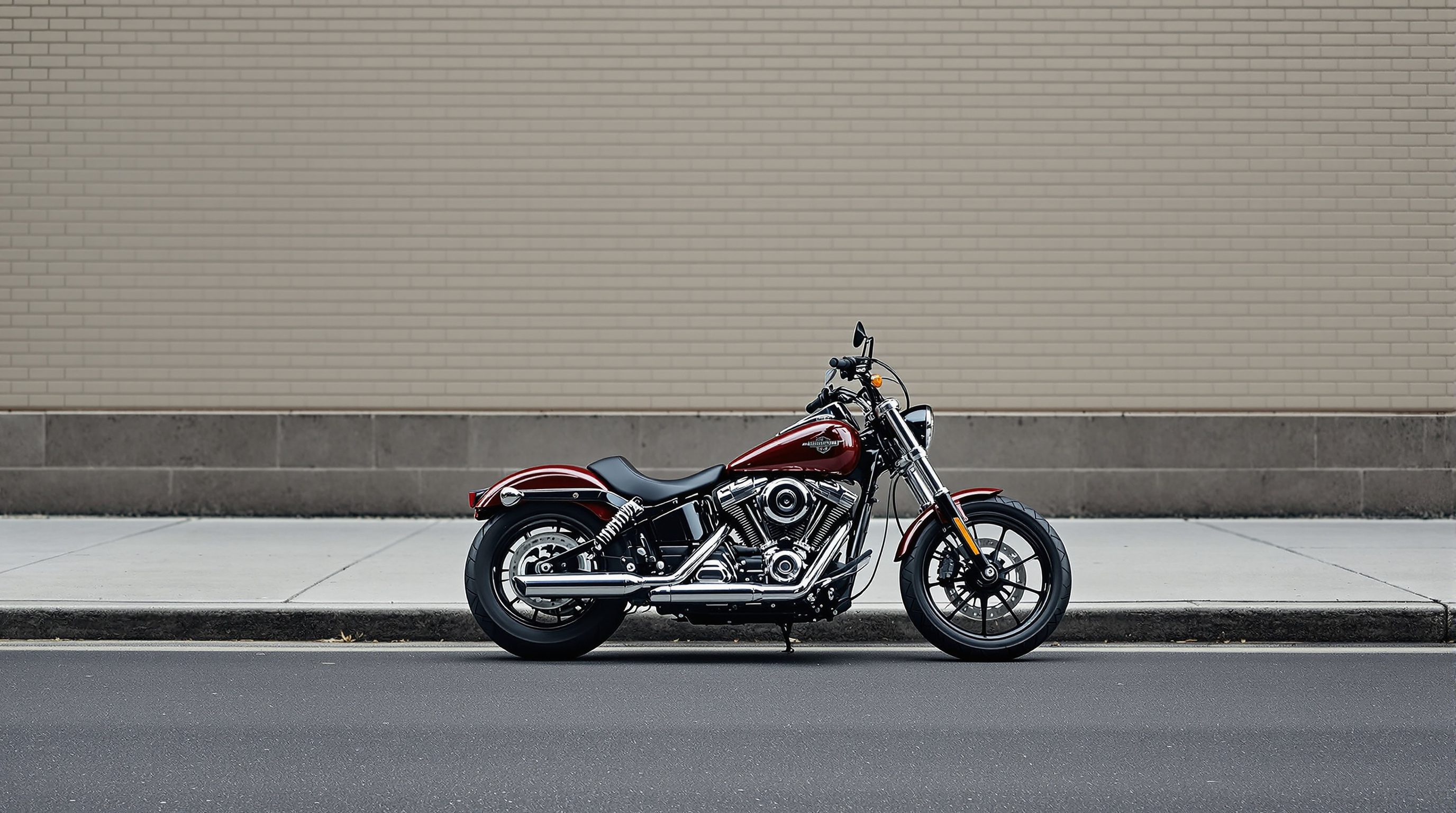
Delivery Mopeds and E-Bikes: The New Hazard for NYC Motorcyclists
You have been riding the city long enough to read a taxi's next move before the driver makes it. But the delivery mopeds and e-bikes now swarming Manhattan, the bridges, and every avenue in the outer boroughs do not follow the rules you learned to predict. They run reds, salmon the wrong way up one-way streets, cut between lanes with a hot bag strapped to the back, and vanish onto a sidewalk when traffic stops. When one of them takes you down, you are left with a wrecked bike, real injuries, and a rider who often has no insurance, no registration, and no plate to trace.
Why Delivery Mopeds and E-Bikes Are So Unpredictable
A car driver on the FDR or the BQE is boxed into a lane and moving with the flow. A delivery moped is not. It treats the whole street as open territory. It filters up the right side while you are checking your mirror, jumps the light to beat the pack across an intersection, and rides against traffic on a one-way block because the next drop is faster that way. On the bridges and in the Manhattan grid, where you are already threading buses, taxis, and double-parked trucks, one of these bikes appearing from a direction no vehicle should be coming from is how a clean ride turns into a low-side in a heartbeat. The rider is paid by the delivery, so speed beats caution every time, and the machine itself is often a throttle-only e-bike or an unregistered moped that has no business moving at car speeds in traffic.
The Insurance Problem That Follows the Crash
Here is where a delivery-bike crash gets ugly for you as the injured party. A licensed, insured driver in a car gives you a liability policy to claim against. A delivery moped rider frequently gives you none of that. Many of these bikes are unregistered, uninsured, and in some cases the rider takes off before you can get a plate or a name, if there even is a plate. So the person who caused your injuries may be legally responsible on paper and completely uncollectable in reality. And because New York's no-fault law specifically excludes motorcycles, you do not have your own PIP paying your medical bills and lost wages in the meantime the way a car occupant would. Everything you are owed is riding on finding a source that can actually pay.
Why SUM Coverage Is Your Real Backstop
This is the situation SUM was built for. Supplementary Uninsured/Underinsured Motorists coverage sits on your own motorcycle policy and steps in when the at-fault party has no insurance or not enough of it. When an uninsured delivery moped puts you in the hospital and disappears, or turns out to have no coverage at all, your SUM can pay for the injuries that person caused. New York requires uninsured motorist coverage, but the baseline is thin. SUM is the upgrade that matters, and most riders do not carry nearly enough of it until a crash teaches them why. If you ride the metro regularly, where these bikes are everywhere, raising your SUM limits is one of the smartest things you can do before you ever need it.
What to Do at the Scene of a Delivery-Bike Crash
The moments right after the crash decide whether you have a case that can actually be paid. Delivery riders scatter fast, so anything you can capture on the spot is worth more than anything you try to reconstruct later.
- ✓ Photograph the bike, the bag, and any plate. The insulated delivery bag, the app branding, and any registration or plate on the moped can be the only thread that ties the rider to a company or an identity later.
- ✓ Get the rider's name and the app they work for. Whether they deliver for a platform or a restaurant can open a door to a business policy that the individual rider does not have.
- ✓ Grab witnesses and camera locations. In a camera-dense city, a doorman, a bodega camera, or a bus's onboard footage may have caught the whole thing. Note what is nearby before you leave.
- ✓ Call the police and get a report. A documented report anchors the crash even if the rider flees, and it matters when you turn to your own SUM coverage.
- ✓ Report it to your own insurer promptly. A SUM claim has notice deadlines, and blowing them can cost you the coverage you paid for.
The Deadline and Why Fault Still Matters
You generally have three years from the crash to bring a lawsuit in New York, but do not treat that as breathing room. Tracing an unidentified delivery rider, pulling camera footage before it is overwritten, and opening a SUM claim all move faster when the trail is fresh. And even in a crash that was plainly the moped rider's fault, expect the insurer to argue you share some of the blame, because New York uses pure comparative negligence and every percentage point they pin on you comes out of your recovery. A lawyer who rides these cases knows how to keep that number where it belongs and how to find every policy that might pay when the at-fault rider cannot.

Have questions after a wreck? Mary Ellen O'Connor and the New York motorcycle injury attorneys at O'Connor Law (nyworkerslaw.com) review rider claims and explain your options.