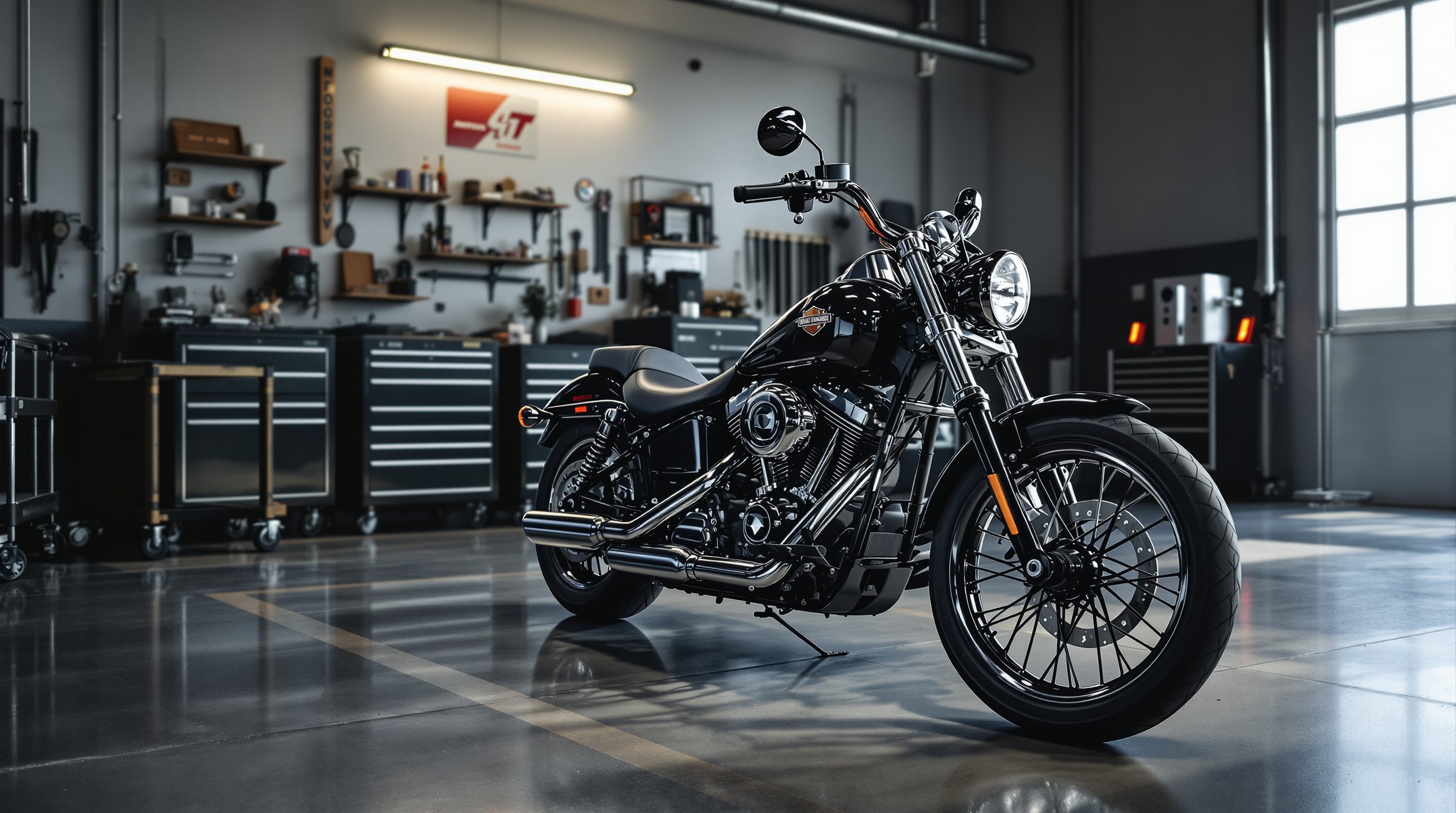
Total Loss: How South Carolina Insurers Value Your Wrecked Motorcycle
You went down on US-17, walked away banged up, and now the insurance company says your bike is a total loss. Then comes the number, and it is nowhere near what your motorcycle was worth to you. That first offer is not a fixed truth. It is an opening position, and on motorcycles it is almost always low. Salt air, blowing sand, and hard miles on the Grand Strand do not change what a well-kept bike is really worth, but adjusters price it like a base-model commuter and hope you sign.
What "Total Loss" Even Means
An insurer calls your motorcycle a total loss when the cost to repair it, plus what they can get for the salvage, meets or beats what the bike is worth. When that happens they stop paying to fix it and instead pay you its value. That value has a name: actual cash value, or ACV. ACV is what your specific motorcycle was worth the moment before the crash, factoring in age, mileage, condition, and equipment. The entire fight over a total loss is a fight over ACV, and the insurer sets the first number.
How ACV Is Supposed to Be Set
A fair ACV starts with real comparable sales, called comps. Those are actual asking and selling prices for the same year, make, model, and trim, in similar condition, in your market. The problem is what insurers lean on instead: valuation software that spits out a low base number, generic book values that treat a clean low-mileage bike like an average one, comps from far away or from rough-condition bikes, and guesswork on condition. You do not have to accept their comps. Pull your own from local and regional listings for bikes truly like yours, and use them to push the number where it belongs.
Disputing a Lowball Offer
When the first number comes in low, you negotiate, and you do it with proof, not frustration. This is also where riders lose the most, because a stock valuation ignores everything that makes your bike yours. A strong dispute usually includes:
- ✓ Your own comps. Listings for the same bike in similar condition in the South Carolina market, not an out-of-state average.
- ✓ Aftermarket parts. Exhaust, suspension, custom seat, bags, crash bars, chrome, fresh tires, documented with receipts and photos.
- ✓ Service records. Proof the bike was well maintained and in better shape than the base number assumes.
- ✓ Damaged gear. Helmet, jacket, boots, and gloves shredded in the crash are part of your property loss, not a throwaway.
Salvage Titles and Keeping Your Bike
Sometimes you want to keep a totaled motorcycle, to rebuild or part out. In South Carolina you often can, but the insurer deducts the salvage value from your payout, and the bike gets a salvage or rebuilt title that affects future value and insurability. Decide with eyes open, because keeping a sentimental bike can cost more than it looks like at first.
Gap Insurance and What You Still Owe
A total loss can leave you upside down. If you financed the bike and owe more than its ACV, the insurance check may not clear the loan, and you are stuck paying for a motorcycle you no longer have. Gap insurance exists for exactly this. If you carry it, it covers the difference between what you owe and what the bike was worth. Check your policy and finance paperwork before you accept any total-loss settlement. And remember the property fight is only one piece. If another driver caused the crash, your injuries are a separate and usually larger claim, and South Carolina's 51 percent comparative fault rule and its three-year deadline both apply to it.

Led by Justin Lovely, The Lovely Law Firm in Myrtle Beach fights for injured motorcyclists. Reach out to their Myrtle Beach motorcycle accident attorneys anytime you need real answers.