Rideshare Crashes and Motorcyclists in Gulf Shores: Who Pays When an Uber Hits You
Gulf Shores and Orange Beach run on tourists, and tourists run on rideshare. Every weekend the Gulf Shores Parkway and Beach Boulevard fill with Uber and Lyft drivers hauling out-of-state visitors between condos, restaurants, and the beach, and a lot of those drivers are staring at a phone, unfamiliar with the roads, and hunting for an address instead of watching for a motorcycle. When one of them turns across your lane or rear-ends you at a light, your first question is a fair one: who actually pays?
The $1 Million Policy Exists, but Only in the Right Phase
Uber and Lyft both carry large commercial liability policies, up to $1 million, that cover crashes their drivers cause. That number is real, and for a seriously injured rider it can be the difference between a claim that makes you whole and one that leaves you buried in bills. The catch is that the big policy is not always on. Rideshare coverage is split into phases tied to what the app was doing. When the app is off, only the driver's personal auto policy applies, and many personal policies exclude rideshare use entirely. When the app is on and the driver is waiting for a ride request, contingent coverage applies at lower limits, commonly 50/100/25 under Alabama's rideshare law. And when the driver is on the way to a passenger or on a trip, the full commercial coverage up to $1 million is in force. So the exact same crash on the Foley Beach Express can be a $1 million claim or a minimum-limits claim depending on whether the driver had accepted a ride thirty seconds before hitting you.
Why the App Phase Is the Whole Ballgame
Because coverage swings so hard between phases, one of the most important facts in your entire case is what the driver's app was doing at the moment of impact. That information lives with Uber or Lyft, not with the driver, and it is not something you can casually confirm at the scene. This is exactly where riders lose money. A driver who was logged in and waiting for a fare has every incentive to be vague about it, and the company is not going to volunteer trip data that costs it a million dollars. Nailing down the phase takes preserving the driver's app status, trip records, and timestamps early, before anything gets murky.
- ✓ Confirm the driver was working for Uber or Lyft. Screenshot the app or the vehicle placard if you safely can.
- ✓ Note whether a passenger was in the car. A passenger almost always means the high-coverage trip phase.
- ✓ Report the crash through the app. This creates a record and a claim number with the rideshare company.
- ✓ Preserve the timeline. The police report, your photos, and 911 timestamps all help lock down which phase the driver was in.
Tourist Traffic and Distracted Out-of-State Drivers
The beach towns draw drivers who do not know the roads. A rideshare driver squinting at a GPS while a passenger gives directions to a rental on Fort Morgan Road is a rider's nightmare, and the seasonal crush around Gulf Shores and Orange Beach multiplies the odds. Out-of-state drivers, unfamiliar intersections, and constant phone use are a recipe for the left-turn and rear-end crashes that hurt motorcyclists most. None of that changes the core rule that matters in Alabama. If the rideshare driver was at fault and you were not even one percent to blame, you have a claim. If the insurer can pin any share of fault on you, Alabama's pure contributory negligence rule can wipe the claim out entirely, so proving the rideshare driver's fault cleanly is just as important as finding the right policy.
Alabama Has No No-Fault to Fall Back On
In some states, a no-fault system pays your early medical bills no matter who caused the crash. Alabama is not one of them. Alabama is a fault state with no no-fault benefits and no required PIP, so there is no automatic pot of money waiting to cover your treatment while the rideshare claim gets sorted out. That leaves you leaning on your health insurance, any MedPay you bought, and eventually the at-fault coverage. And if the rideshare driver was in the low-coverage waiting phase, or the whole rideshare relationship is disputed, your own uninsured and underinsured motorist coverage becomes the backstop. UM and UIM are a rider's real protection when the responsible policy turns out to be smaller than your injuries, and on a serious rideshare crash that gap can be wide.
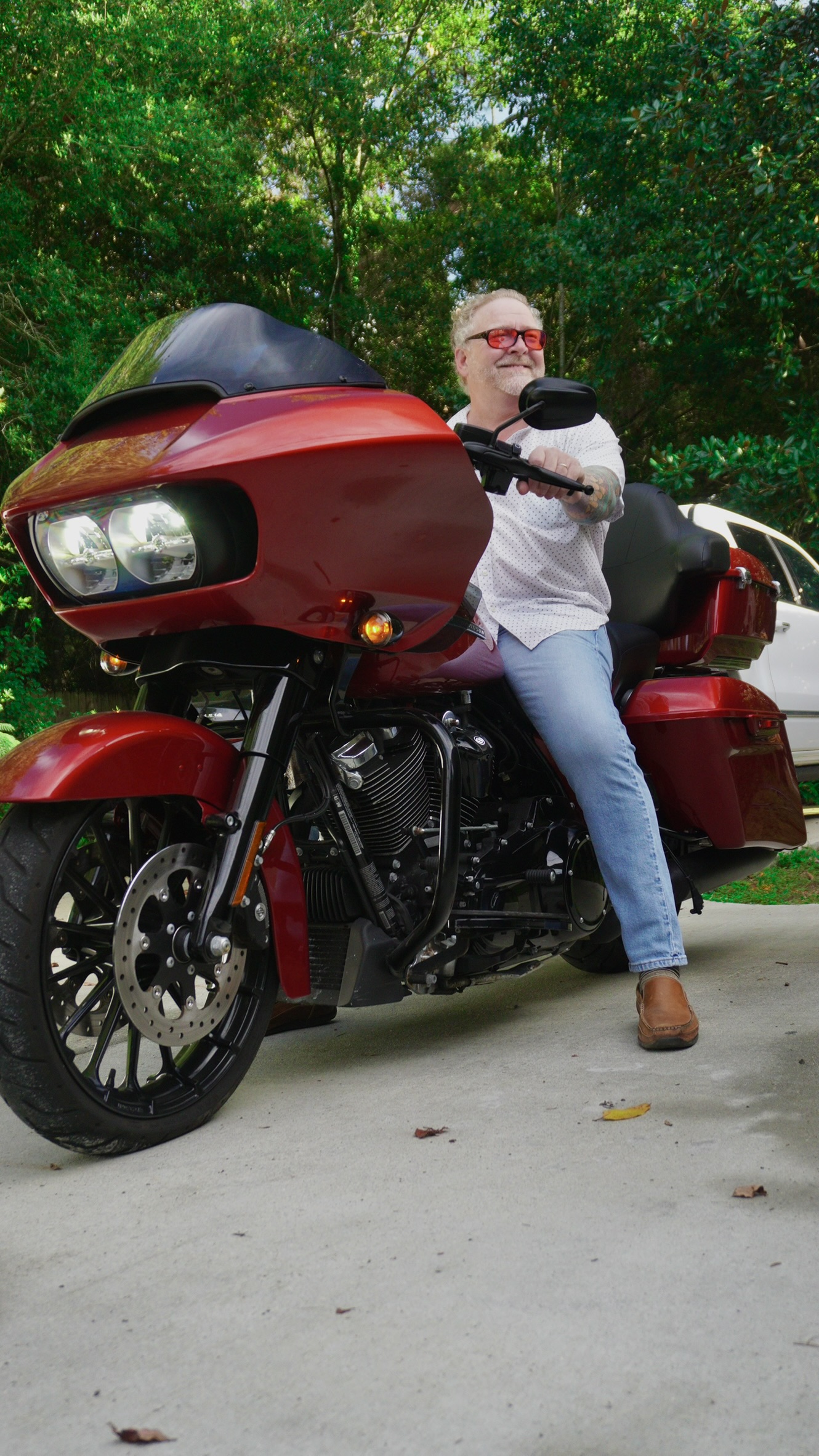
Noel Leonard and the motorcycle accident lawyers in Foley / South AL at Noel B. Leonard Attorney represent riders hurt by negligent drivers. If you have questions after a crash, their team is here to help.