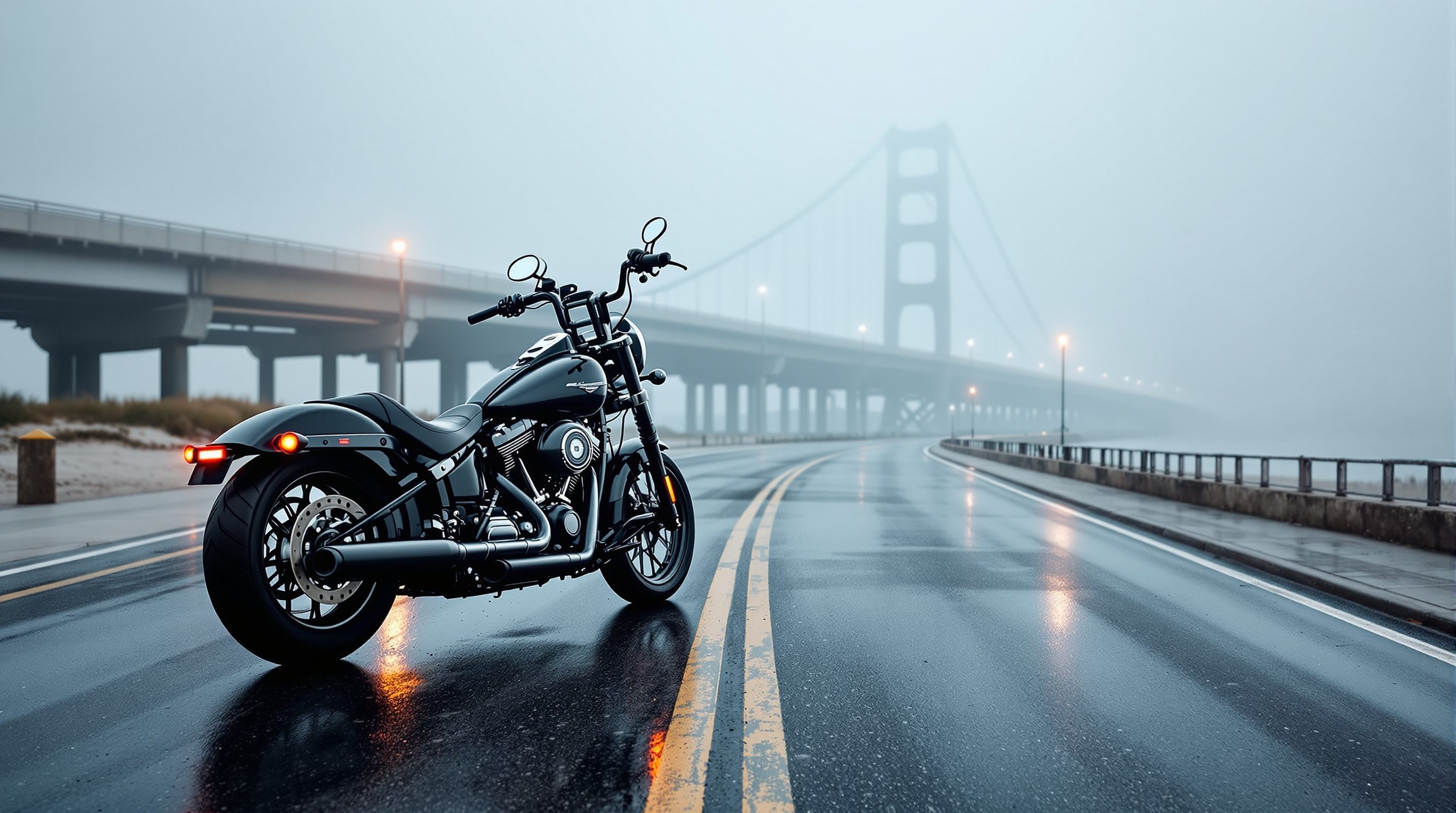
Coastal Fog, Sudden Rain, and Slick Bridges: Winter Riding on the Gulf Coast
Winter is prime riding weather on the Alabama Gulf Coast. The heat is gone, the humidity is down, and a January afternoon on Fort Morgan Road can be as good as it gets. But the coast in winter has its own set of traps, and they are different from the fall hazards riders already know. This is about the specific things winter moisture does to Gulf Coast pavement and Gulf Coast air, and the technique that keeps you upright when the road and the sky both turn against you.
Coastal fog swallows a motorcycle first
The Gulf Coast makes fog. Warm, moist air off the water settles over cooler land on winter mornings and evenings, and it can drop visibility on Highway 59, the Beach Express, and the low ground near the Intracoastal Waterway to almost nothing in minutes. Fog is dangerous for every vehicle, but it is worst for a motorcycle, because you are the smallest, dimmest thing out there. A car in fog is hard to see. A bike in fog can be invisible until it is too late. If you get caught in it, slow well below what feels necessary, use your low beam because high beam bounces the glare back at you, and get out of the fog bank rather than riding through it if you can. Assume the drivers around you cannot see you at all.
Sudden rain and the first-ten-minutes rule
Gulf Coast winter rain shows up fast. A clear sky turns to a downpour with little warning, and the most dangerous stretch is the first ten minutes, when water lifts the oil and grime off dry pavement into a greasy film that is far slicker than the steady rain that follows. Manage the wet the way a rider does, not the way a car does.
- ✓ The first-rain film. The opening minutes of a shower are the slickest, so ease off and let the road rinse before you trust it again.
- ✓ Painted lines and markings. Crosswalks, stop bars, and lane lines turn glassy when wet, so avoid braking or turning on top of them.
- ✓ Standing water in the low spots. Highway 59 and the Beach Express pool water fast, and a hidden puddle at speed can push your front end.
- ✓ Manhole covers and steel plates. Metal in the road is slippery dry and treacherous wet, so cross it upright and off the brakes.
Bridge decks are their own hazard
The Gulf Coast is full of bridges, and bridges are the trap riders underestimate. The steel-and-concrete decks over the Intracoastal Waterway and the Foley Beach Express toll bridge behave differently from ordinary asphalt. A bridge deck cools faster and stays wet longer, expansion joints and steel grating offer far less grip than pavement, and the wind funnels harder across an open span. Cross a wet or foggy bridge with your inputs already done. Set your speed and lane position before the deck, keep the throttle steady across the joints and grating, and be ready for a gust to shove you as you clear the rail at the high point. Do not brake or change lanes on the deck itself if you can help it, and treat the whole span as one commitment you make before you roll onto it.
Blown sand, low sun, and when the weather is not the cause
Two more winter specifics catch Gulf Coast riders. Near the beaches, on Fort Morgan Road, and along coastal AL-182, wind pushes sand onto the road, and a patch in a corner acts like ball bearings under your tires, so scan the surface in the turns near the water and set up wide. The other is light: the winter sun sits low for most of the day and hangs at eye level at dawn and dusk on the east-west runs around Foley, blinding you and the driver who is supposed to see you. Ride the glare hours assuming you have not been seen. And know what the insurance company will do after a wet-weather crash. They will blame the weather, and through the weather, blame you. That matters enormously in Alabama, which follows pure contributory negligence: if you are found even one percent at fault, you can be barred from recovering anything at all. Bad weather does not excuse a driver who fails to yield or crosses into your lane. Alabama is a fault state with no no-fault system and no required personal injury protection, so you rely on the at-fault driver's insurance, your health coverage, and your uninsured and underinsured motorist coverage, your real backstop when the other driver's 25/50/25 minimum is not enough. The state requires every rider and passenger to wear a helmet with no exceptions, and generally gives you two years from the crash to file.
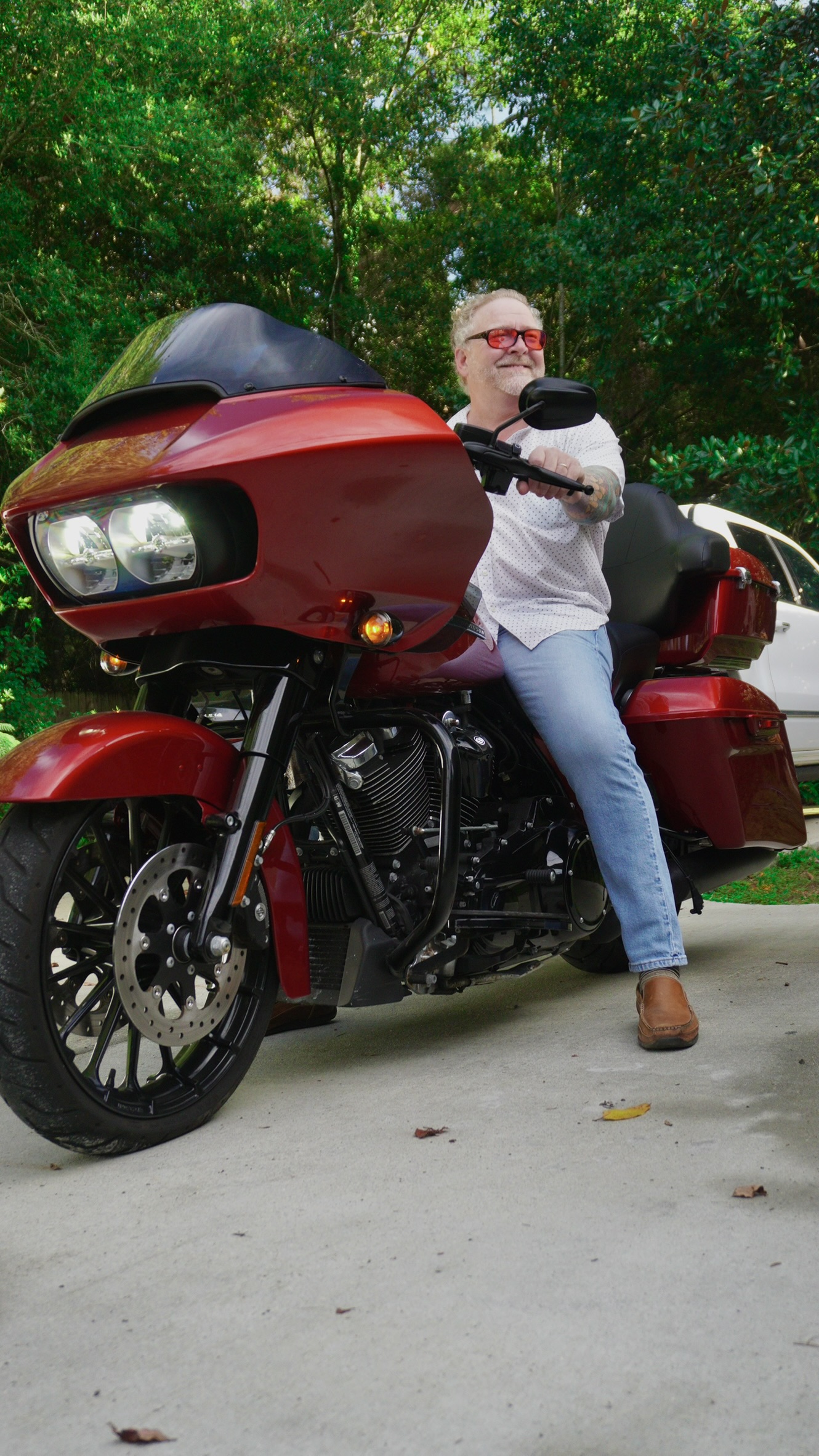
Noel Leonard and the Foley / South AL motorcycle accident attorneys at Noel B. Leonard Attorney represent riders hurt by negligent drivers. If you have questions after a crash, their team is here to help.