Winter Storage and Your Motorcycle Insurance in New Jersey: Should You Drop Coverage?
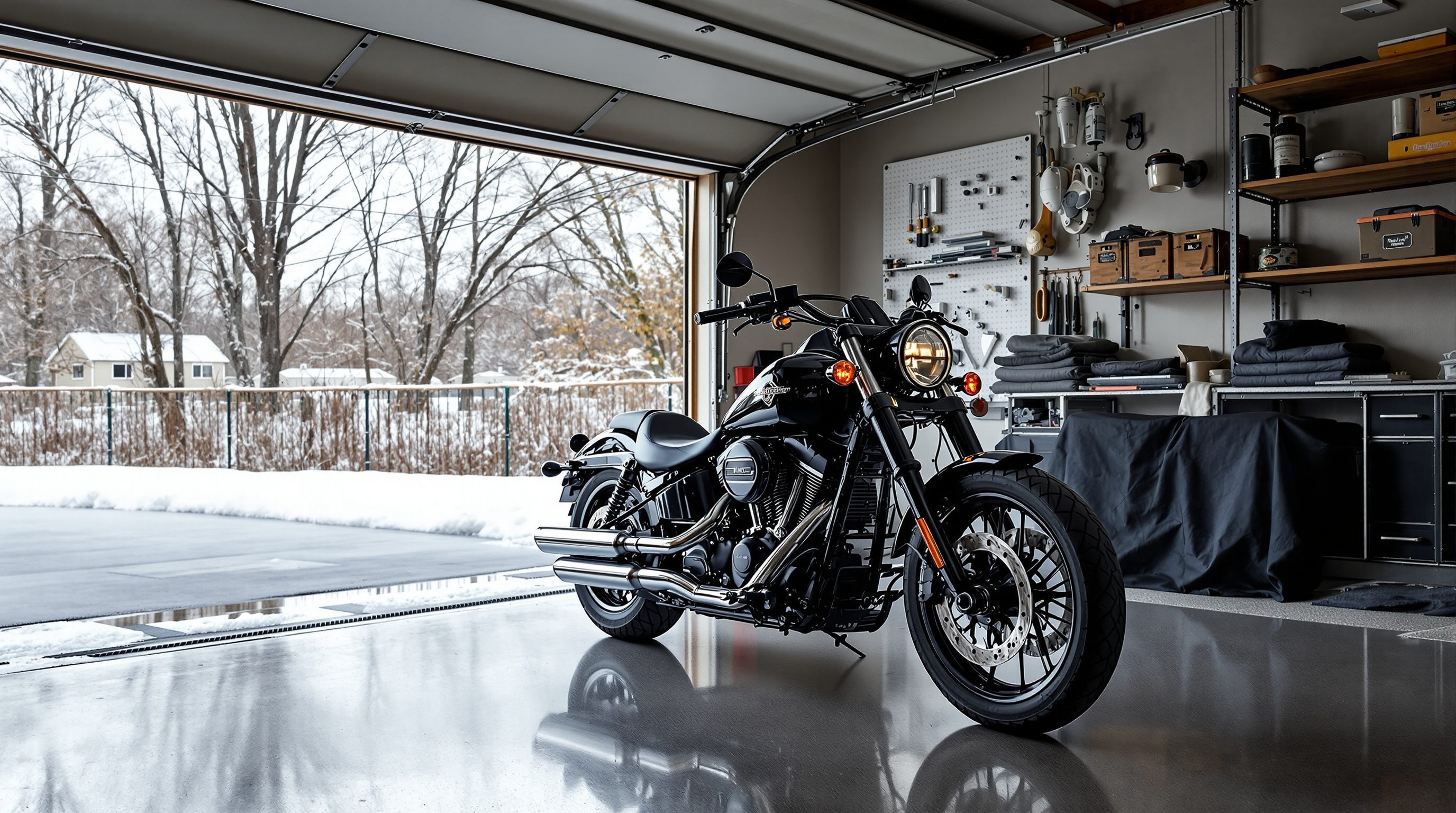
Around Halloween the Parkway empties of bikes, the batteries go on the tender, and the salt trucks take over the road. If you ride in New Jersey, your bike is probably going to sit from November clear through March. Somewhere in that stretch the renewal notice lands and the tempting move is to call the insurer and cancel the whole policy until spring. Slow down. Dropping the wrong coverage to save a few winter dollars can cost you the bike to a garage fire or a thief, blow a hole in your spring rate, and leave you exposed the day you finally roll it back out. Here is what to keep, what you can safely cut, and the traps that turn a smart winter move into an expensive one.
Why canceling the whole policy is the expensive move
The instinct makes sense on paper. The bike is not moving, so why pay to insure it? The problem is that insurers do not see a canceled policy as a rider being frugal. They see a gap, and a gap reads as risk. When you come back in April to reinstate or shop a new policy, the carrier can treat you as a lapsed customer, which usually means a higher rate than the one you walked away from, and it can cost you the continuous-coverage and loyalty discounts you spent years earning. The few hundred dollars you saved over the winter gets clawed back over the next year of premiums, and sometimes then some. On top of that, a bike parked with zero coverage is a bike with zero protection against everything that happens to a machine that is standing still, which in New Jersey is not nothing.
Keep comprehensive while the bike is stored
Comprehensive is the coverage that protects the bike when it is not being ridden, and winter is exactly when those risks pile up. Theft does not take the season off, and a garage or storage unit full of parked bikes is a target. A space heater or an electrical fault turns into a garage fire. A nor'easter or an ice storm drops a tree or a limb. A pipe bursts in a cold snap and floods the floor. Rodents chase the warmth and chew through a wiring harness. None of that has anything to do with the bike being on the road, and comprehensive is the piece that pays for it. Cutting comprehensive to save maybe a dollar a week is how riders end up eating the full cost of a stolen or burned bike out of pocket.
- ✓ Keep comprehensive on the stored bike. It covers theft, fire, storm, flood, falling trees, vandalism, and rodents, the things that happen to a machine sitting still all winter.
- ✓ You can usually trim liability and collision while it is truly parked. If the bike will not touch the road, those matter less, but confirm with your carrier before you drop anything and put it back before your first spring ride.
- ✓ Never cancel outright. A lapse in coverage is what raises your rate in the spring and costs you the continuous-coverage discount, so reduce the policy instead of ending it.
- ✓ Keep your UM/UIM coverage in force. Your bike carries no PIP, and New Jersey roads are packed with underinsured and uninsured drivers, so UM/UIM is the coverage you least want to let slip.
- ✓ Ask about a lay-up or storage endorsement. Many insurers offer a formal winter storage option that lowers the premium the right way, so tell your carrier what you are doing rather than just stopping payment.
A lapse costs more than the premium you saved, and it can open a UM/UIM gap
Here is the part that catches New Jersey riders off guard. New Jersey is a no-fault state, but its no-fault law does not cover motorcycles, so your own bike never carried PIP to begin with. That makes your UM/UIM coverage the safety net that actually catches you when another driver hurts you and has no insurance or not enough of it. On the crowded North Jersey roads, the Turnpike, the Parkway, Route 1 and Route 22, that scenario is common. If you cancel the whole policy over the winter and take a few weeks to get around to reinstating it in the spring, you can be riding in that window with no UM/UIM behind you at all. The premium you saved will look very small against a serious injury claim you have no coverage to pursue. Trimming a parked bike down is smart. Leaving yourself uninsured the moment you ride again is not.
If the bike is financed, the lienholder makes the call
If you are still paying off the bike or leasing it, the decision is not entirely yours. Loan and lease agreements almost always require you to carry comprehensive and collision, and sometimes a specific amount of coverage, for as long as the lender has a stake in the machine. Dropping that coverage over the winter can put you in breach of the loan, and the lender can respond by buying force-placed insurance that costs far more than your own policy and protects the lender rather than you. Before you cut anything on a financed bike, read the loan terms or call the lender. On a bike you own outright you have more room to trim, but comprehensive is still the coverage worth keeping through the New Jersey winter.

Lawrence LeBrocq and the New Jersey (New Brunswick) motorcycle injury attorneys at Garces, Grabler & LeBrocq represent riders hurt by negligent drivers. If you have questions after a crash, their team is here to help.