Spring-Ready: The Austin Rider's Pre-Season Bike and Bluebonnet Checklist
Central Texas barely gets a winter, but even a few weeks of the bike sitting cold in the garage is long enough for things to go quietly wrong. Tires lose pressure, batteries drain, fluids settle, and your own reflexes get a little rusty without you noticing. Then the first warm weekend hits, the bluebonnets pop along the Hill Country roads, and every rider in Austin wants out on RR 2222 and the Willow City Loop at the same time. Getting spring-ready is not just about the bike. It is about the bike, the rider, and the coverage that backs both of you.
Run a T-CLOCS Inspection Before the First Ride
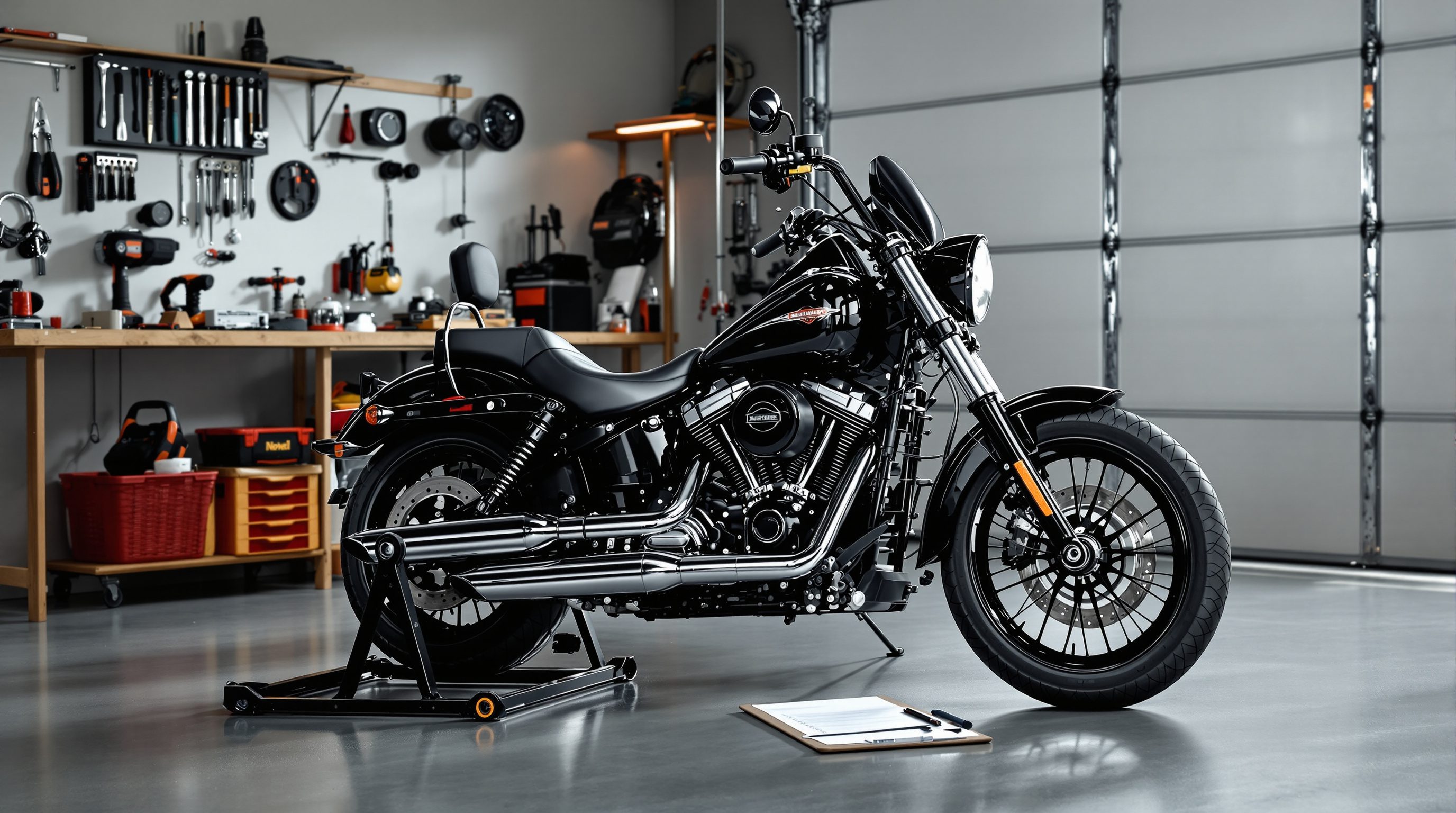
T-CLOCS is the standard pre-ride inspection, and after any winter downtime it is worth doing thoroughly rather than glancing over. The letters cover the systems most likely to bite you: Tires and wheels, Controls, Lights and electrics, Oil and fluids, Chassis, and Stands. Walk it in order so you do not skip anything, and do not trust the battery, because even mild Central Texas cold and a few weeks with no charging can leave it too weak to start or weak enough to strand you on a back road. Charge it fully, test it if you can, and replace it if it is old. The garage is a much better place to discover a dead battery than the shoulder of Hamilton Pool Road.
- ✓ Tires and wheels. Check pressure cold, look for flat spots or cracking from sitting, and confirm tread is not worn past its life.
- ✓ Controls. Work the throttle, clutch, and brake levers through full travel, checking that cables move freely and nothing sticks.
- ✓ Lights and electrics. Test headlight, brake light, turn signals, and horn, because visibility is a rider's best defense.
- ✓ Oil and fluids. Check oil, brake fluid, and coolant levels and look for leaks that may have formed while the bike sat.
- ✓ Chassis and stands. Inspect frame, suspension, chain or belt tension, and fasteners, and confirm the stands spring back and hold.
Shake the Rust Off Your Own Skills
The bike is not the only thing that got rusty over the winter. Your reflexes, your throttle control, and your habit of scanning for hazards all fade a little when you have not ridden in weeks, and the first spring ride is the wrong time to pretend nothing changed. Start easy. Take the first ride somewhere low-stakes and familiar, not straight onto a packed I-35 or into the tight curves of the Twisted Sisters. Practice emergency braking and slow-speed maneuvers in an empty lot before you need them for real, and rebuild your following distance and your habit of covering the brakes. Spring roads also bring their own grit, since winter leaves gravel, sand, and debris washed onto the pavement, especially in the curves out in the Hill Country. Ride the first few outings like the road is dirtier and your reactions are slower than you remember, because both are probably true.
Watch for Bluebonnet-Season Tourists
Here is the spring hazard unique to Central Texas, and it catches riders off guard every year. When the bluebonnets bloom, the Hill Country fills with people who are not thinking about traffic at all. They are thinking about photos. Cars slow suddenly, pull half onto a narrow shoulder, stop in the middle of scenic roads, and swing open doors right into the lane on stretches like the Willow City Loop and the ranch roads around Dripping Springs and Wimberley. These drivers are distracted, unpredictable, and often from out of town and unfamiliar with the road. A car braking hard for a bluebonnet field, or a driver drifting across the line to look at one, is exactly the kind of thing that puts a rider down. Give yourself room, anticipate the sudden stop, and treat every wide shoulder full of parked cars as a place where someone is about to do something you did not expect.
Re-Check Your Insurance Before the Season
The last pre-season item has nothing to do with the bike and everything to do with what happens if one of those tourists takes you down. Before the season starts, pull out your policy and actually look at it. Confirm the coverage is active and not lapsed or seasonal, because it does you no good on the first warm weekend if it is not in force. Check your UM/UIM, since Texas requires only minimum liability of 30/60/25 and uninsured and underinsured motorist coverage is your real backstop when the other driver has too little or none. Know what your limits would actually pay, because a serious crash can blow past a minimum policy fast. And do it now, because the time to fix a coverage gap is before the season, not after a crash when it is too late to add the protection you needed. A spring-ready rider has a sound bike, sharp skills, and coverage that would actually hold up.

Glen Larson and the Austin motorcycle accident attorneys at Biker Wolf Pack represent riders hurt by negligent drivers. If you have questions after a crash, their team is here to help.