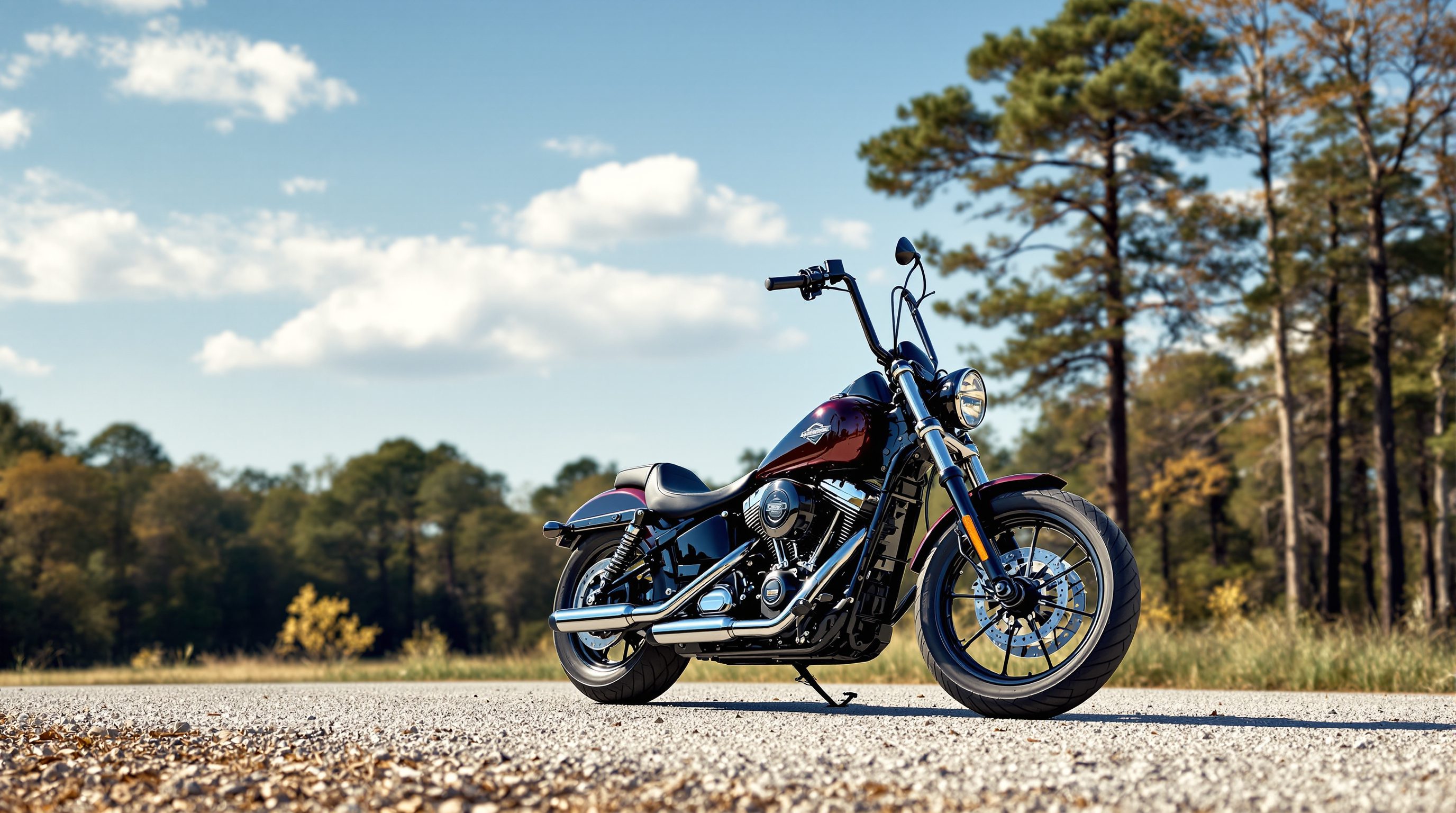
Lane Splitting and Filtering in Texas: Is It Legal for Austin Riders in 2026?
Anyone who has cooked in dead-stopped traffic on I-35 through downtown, or crawled up MoPac in the summer heat, has thought about it. The cars are not moving, there is a clear gap between the lanes, and slipping through looks like the obvious move. Riders coming from California ask about it constantly, and plenty of Austin riders assume the rules must have loosened by now.
Lane Splitting and Filtering Are Not Legal in Texas
First, the terms, because people mix them up. Lane splitting is riding between lanes of traffic moving in the same direction, usually to get through slow or stopped cars. Filtering is the slower-speed cousin, moving between stopped vehicles to reach the front at a red light. Some states have carved out rules that permit one or both. Texas has not. There is no provision that makes lane splitting or filtering legal here, and Texas law instead gives a motorcyclist the right to the full use of a lane. That framing is the key to everything that follows. The lane is yours. You are not expected to share it side by side with a car, and you are not permitted to thread between lanes of traffic to get ahead.
You Are Entitled to a Full Lane
This is the part that works in a rider's favor, and it is worth understanding clearly. Texas treats a motorcycle as entitled to the full width of a traffic lane, the same as any other vehicle. When you hold your lane, the rules are on your side. When you split, you trade that advantage away.
- ✓ The lane is yours to use fully. A car is not entitled to crowd into your lane beside you, and doing so is the driver's error, not yours.
- ✓ You do not have to squeeze to the edge. Positioning yourself in the lane for visibility and safety is your right, not an imposition on other traffic.
- ✓ Splitting gives up that protection. The moment you leave your lane to thread between cars, you step outside the position the law protects.
How Splitting Can Shift Fault Under the 51 Percent Bar
Here is where it stops being about tickets and starts being about your recovery. Texas uses a modified comparative negligence system with a 51 percent bar. If you are found more than 50 percent at fault for a crash, you recover nothing. If you are found partly at fault below that line, your recovery is reduced by your share. Now picture a real Austin scenario. You are splitting through stalled traffic on I-35 or MoPac, a driver changes lanes or opens a door into the gap, and you go down. Even if that driver was careless, the insurance company will seize on the fact that you were doing something the law does not allow. They will argue your choice to split put you where no vehicle should have been, and they will push your fault percentage up. Get pushed over 51 percent and your claim is gone entirely. Land somewhere below it and every point of fault they pin on you shaves real money off what you recover. Splitting hands them the exact argument they want.
Safer Alternatives for Austin Riders
The frustration of Central Texas gridlock is real, but the answer is not to split. It is to ride the position the law protects and to manage the heat and the wait in ways that do not gift fault to an insurer. Hold your lane and use lane positioning for visibility, especially where drivers are distracted or merging. In stop-and-go stretches on I-35 or US-183, keep a cushion in front so you always have an escape path and are never trapped between bumpers. When traffic is genuinely brutal, the smarter play is often a route change altogether, taking a surface street or timing your ride around the worst of it rather than threading through it. And if you are already in the gridlock, patience is cheaper than a crash where you start the fight already labeled the rule-breaker. If a driver does hit you, holding your lane keeps the law and the fault math on your side.

Glen Larson and the Austin motorcycle accident attorneys at Biker Wolf Pack represent riders hurt by negligent drivers. If you have questions after a crash, their team is here to help.