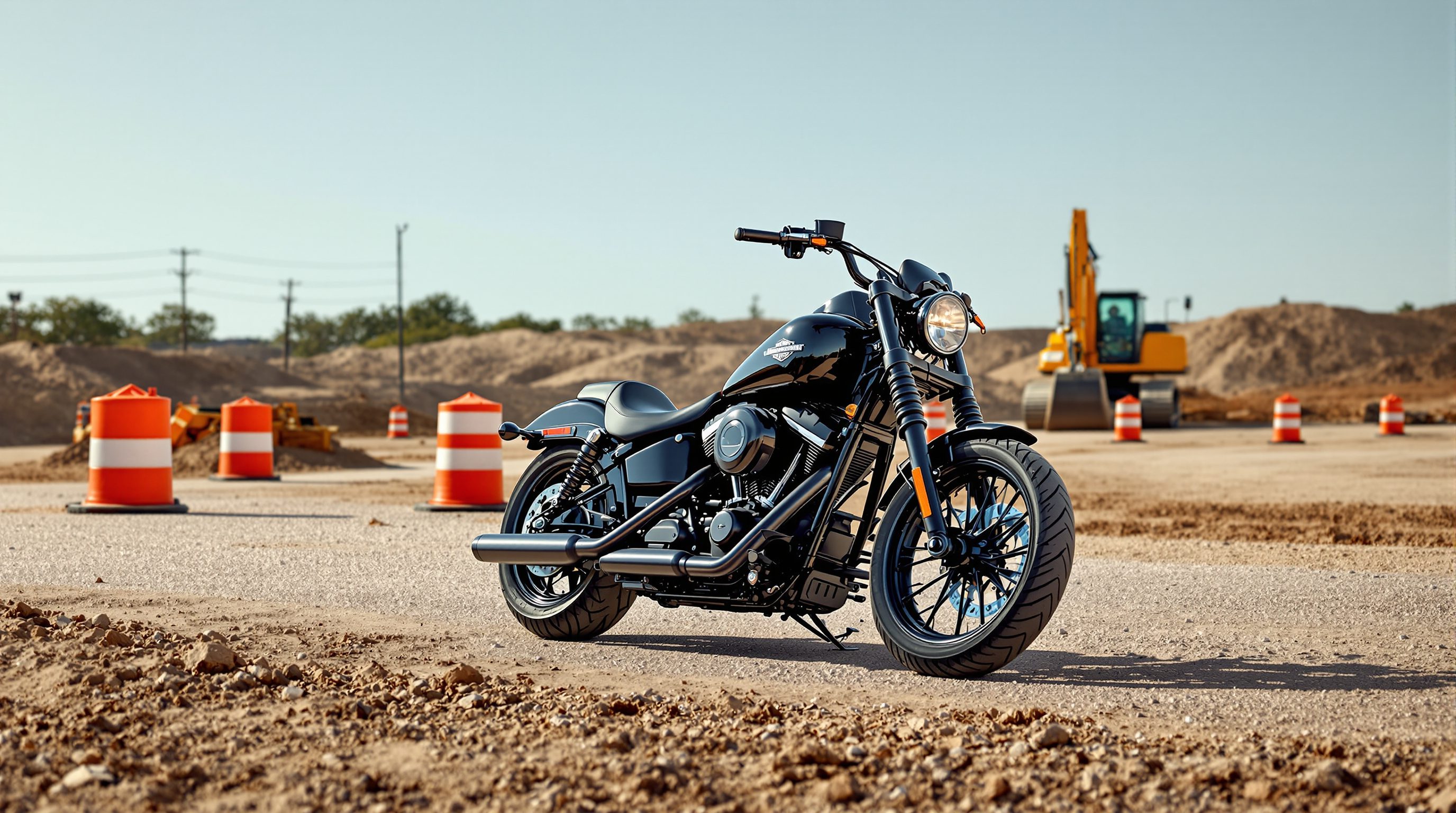
I-35 Construction and Road Debris: An Austin Rider's Survival Guide
If you ride in Austin, you ride through construction. I-35 has been torn up, rebuilt, and torn up again for as long as most of us can remember, MoPac keeps sprouting new lanes and barriers, and US-183 has stretches that feel like they will never be finished. For a car, a work zone is an annoyance. For a motorcycle, it is a minefield, and the same conditions a driver barely notices can put a rider on the ground.
Why Work Zones Are So Much Worse on a Bike
A car has four wheels, a wide track, and a steel cage. It shrugs off the things that end a motorcycle ride. On a bike, the margin is razor thin. A patch of gravel that a sedan rolls over without a thought can wash out your front tire in an instant, and a two-inch height difference between an old lane and a freshly milled one can grab your wheel and stand you up. Work zones are also chaos: lanes narrow, shift, and disappear, barriers crowd you toward traffic, and drivers brake late, change lanes without looking, and stare at the cones instead of the motorcycle beside them. Every one of those hazards hits a rider harder than it hits anyone else on the road.
The Construction and Debris Hazards That Put Riders Down
Ride the I-35 corridor or the MoPac work zones enough and you learn the pattern. These are the hazards to hunt for before they find you.
- ✓ Loose gravel and millings. Fresh work leaves gravel and ground-up pavement across the lane, especially at the edges and where surfaces meet. It is like marbles under your tires, worst in corners and while braking.
- ✓ Uneven lane edges and drop-offs. When crews mill one lane and leave the next at the old height, the seam can catch a tire and high-side you. Cross that lip as close to straight on as you safely can.
- ✓ Steel plates and grooved pavement. Metal plates over trenches turn slick as glass when wet, and long grooved stretches make the bike wander and feel unstable.
- ✓ Sudden lane shifts and narrow lanes. Cones route you onto a jog you cannot see until you are on it, and tight lanes between concrete barriers leave no room if the car next to you drifts.
- ✓ Blown retreads and dropped cargo. A shredded truck tire on I-35 can lock your front wheel, and ladders, lumber, or gravel spilling off an unsecured load give you almost no warning. Scan far ahead and stay out of trucks' blind spots.
When a Construction or Debris Crash Becomes a Claim
Here is what riders often miss. If a work zone hazard or debris put you down, the crash may not be your fault at all, and the cost may not be yours to carry. A road defect can create liability, because work zones are supposed to be built and maintained to a standard with proper signs, warnings, and safe surfaces. When a contractor leaves a dangerous drop-off unmarked or sets up a zone that traps riders, the contractor or responsible agency may be on the hook. Debris can create liability too. Texas law requires loads to be secured, so if a truck drops an unsecured load and that debris causes your wreck, the trucking company or driver can be responsible. Two things make these cases winnable, and both depend on acting fast. Evidence disappears quickly: gravel gets swept, drop-offs get paved, and signs get moved, so photos, witness names, and the exact location matter enormously. And keep Texas's fault rule in mind, because the state uses proportionate responsibility with a 51 percent bar, and a contractor's insurer will work hard to pin the blame on the rider. Documenting the real hazard is how you fight back.

Glen Larson and the Austin motorcycle accident attorneys at Biker Wolf Pack represent riders hurt by negligent drivers. If you have questions after a crash, their team is here to help.