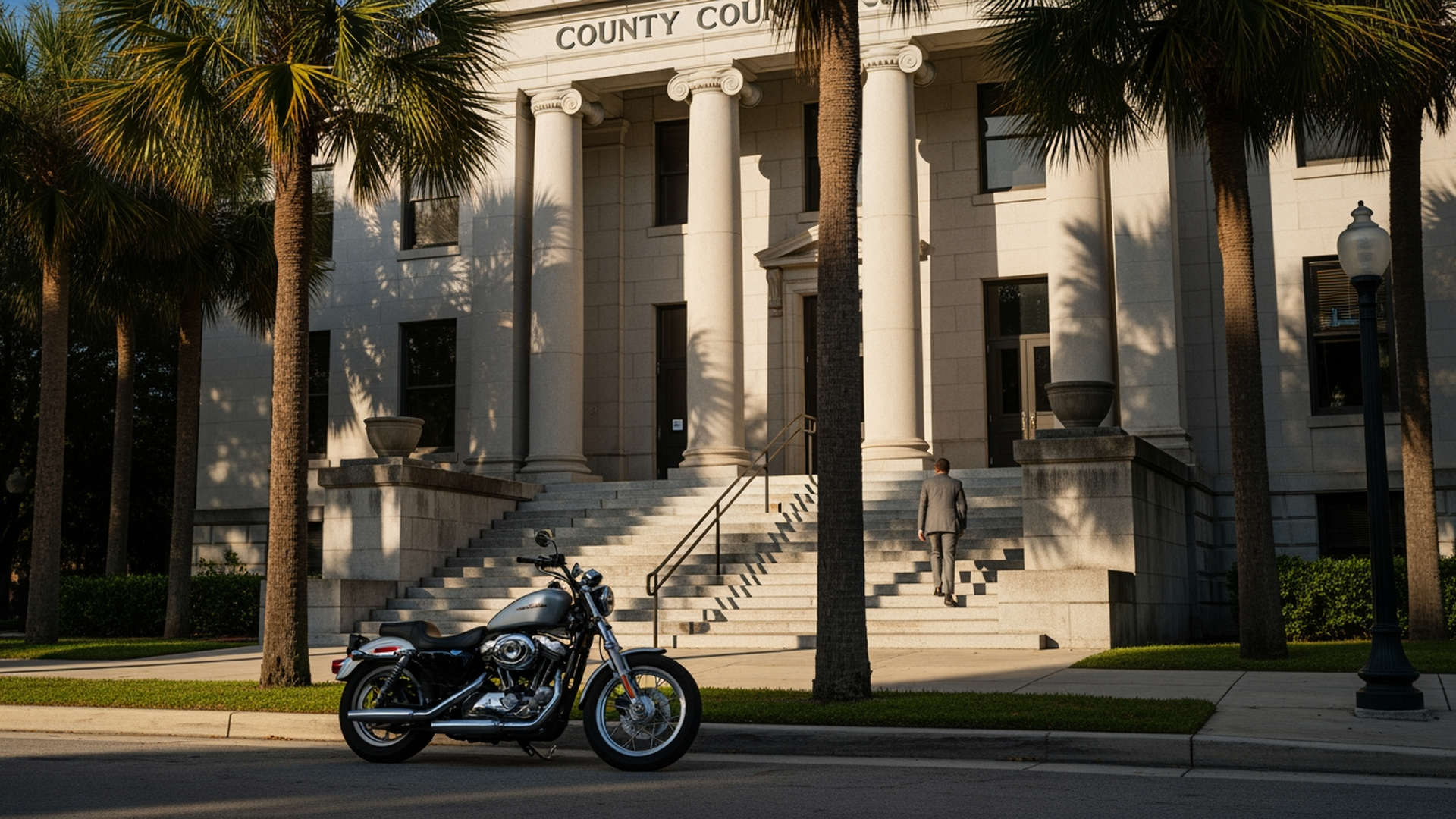
Florida's 2-Year Deadline to File a Motorcycle Injury Lawsuit
There is a clock running on your motorcycle injury claim, and in Florida it now runs a lot faster than it used to. Miss the deadline, and it does not matter how badly you were hurt or how clearly the other driver was at fault. The courthouse door closes.
What a Statute of Limitations Actually Is
A statute of limitations is a legal deadline for filing a lawsuit. It exists so claims get brought while evidence is fresh and witnesses can still be found. If you do not file suit within the window, the law generally treats your claim as expired, and the other side can have your case thrown out no matter how compelling it is. For motorcycle crashes, which fall under negligence law, that window in Florida is now two years for injuries caused by another party's carelessness. It is a firm line, not a friendly suggestion. Plenty of people still believe they have four years, because that was the rule for a long time, and that mistaken belief is exactly how good cases quietly die.
Why the Shorter Deadline Catches Riders Off Guard
Recovering from a serious motorcycle crash is not a two-week process. Surgeries, physical therapy, time off work, and the slow grind of healing can stretch across many months. It is completely natural to focus on getting better first and think about the legal side later. The problem is that the two-year clock does not pause while you recover. Four years was the rule for decades, so friends, family, and even outdated websites still repeat it. The more severe the crash, the longer recovery takes, and the faster that shorter window can slip past. And insurers are in no hurry, because a company that senses your deadline approaching has little reason to make a fair offer when your leverage disappears the day the deadline passes. By the time some riders think seriously about a lawsuit, they are already deep into a window that is now much tighter than they assumed.
Why Filing Early Matters More Than the Deadline Suggests
The two-year mark is the last possible moment, not the ideal one. Waiting until the deadline nears works against you in ways that have nothing to do with the calendar.
- ✓ Evidence fades. Skid marks on I-275 are gone within days. Vehicles get repaired or scrapped, and surveillance footage from a business near US-19 is often overwritten in weeks.
- ✓ Witnesses move on. People forget details, change phone numbers, and relocate. A witness who was clear at the scene may be impossible to find a year later.
- ✓ Investigation takes time. Gathering records, reconstructing the crash, and identifying every source of coverage cannot be crammed into the final weeks.
- ✓ Negotiation needs runway. A fair settlement often comes from having a credible, prepared case well before any deadline forces your hand.
Deadlines Can Shift, So Do Not Guess
The two-year period is the general rule for negligence claims, but the specifics of a given case can affect timing, and some situations carry different rules entirely. Claims that involve a government vehicle or a public entity, for example, come with their own notice requirements and timelines that are separate from the standard deadline. Exactly when the clock starts can also depend on the facts. This is precisely why guessing is dangerous. The safe move is never to assume you have plenty of time. It is to have your specific situation reviewed early by someone who tracks these deadlines for a living, so a technicality never becomes the reason a valid claim dies. If you went down anywhere from the Gulf Coast to Tampa Bay and another driver was at fault, treat the timeline as urgent even if the crash feels recent. Get your treatment documented, hold onto everything connected to the crash, avoid recorded statements to the other side before you understand your position, and get the deadline pinned down for your case. Do not let a calendar do the insurance company's job for it.

Jason Melton and the Spring Hill motorcycle injury attorneys at Whittel & Melton represent riders hurt by negligent drivers. If you have questions after a crash, their team is here to help.