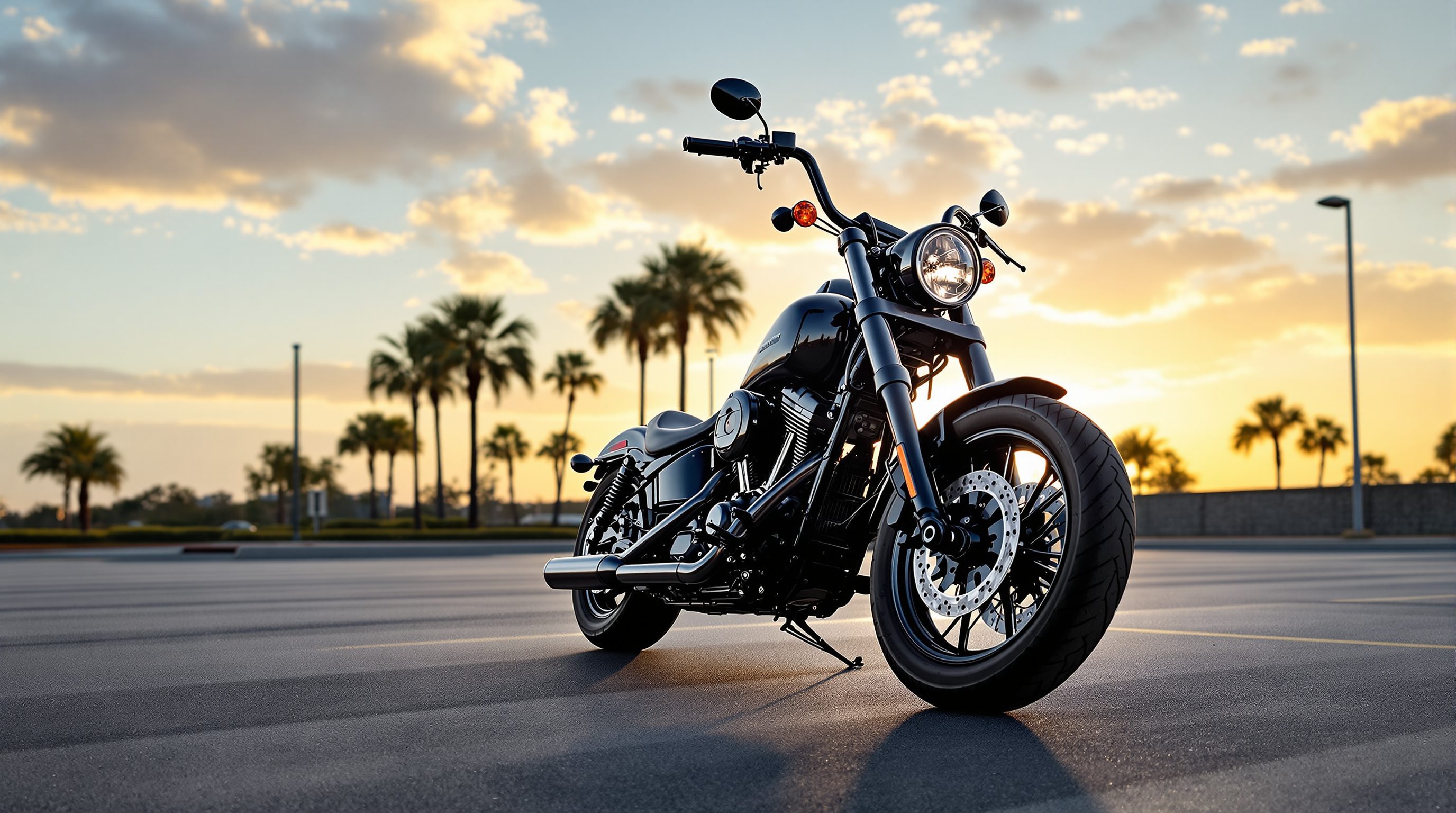
Who Pays Your Medical Bills After a Florida Motorcycle Crash?
You go down on US-19, the ambulance comes, and within a week the bills start showing up. The ER, the imaging, the surgeon, the physical therapy. If you are a Florida rider, the question that keeps you up at night is simple: who actually pays for all of this? Most riders assume the at-fault driver pays right away, or that their own no-fault coverage kicks in like it does for cars. Neither is true here, and understanding the real order of payment is what keeps you out of collections while your case works toward a settlement.
The Bills Do Not Wait for Your Settlement
The most dangerous myth in a motorcycle case is that you can just wait for the at-fault driver to pay everything at the end. Legally, the person who caused the crash is responsible for your damages. Practically, that money does not arrive for months, sometimes more than a year, because it comes through a settlement or a verdict after the full extent of your injuries is known. Meanwhile the hospital wants to be paid now. Providers do not hold your account open out of kindness, so if nothing is covering your bills in the meantime they go to collections and your credit takes the hit. That is why the order of payment matters so much for riders. Something has to carry those bills in the gap between the crash and the resolution of your claim.
The Real Order of Payment for Florida Riders
Since PIP is off the table, the bills get handled in layers, and the layers are not the ones most riders expect. These are the pieces that carry you from the ER to the final settlement.
- ✓ Your own health insurance usually pays first. A plan through work, the marketplace, Medicare, or Medicaid is typically your front line, paying providers under your normal deductible and copays while your injury case is still open.
- ✓ MedPay pays alongside it if you carried it. Medical Payments coverage is optional coverage on a motorcycle policy that pays medical bills regardless of fault, and it is one of the few pieces of protection a rider actually controls.
- ✓ The at-fault driver pays at the end. Their liability coverage, if they have any, reimburses your damages once your case resolves, but Florida does not require drivers to carry Bodily Injury liability, so this layer can be thin or nonexistent.
- ✓ Your UM/UIM fills the gap. When the at-fault driver has no coverage or not enough, Uninsured and Underinsured Motorist coverage on your own policy steps in, and for riders it is the real lifeline.
Why You Treat Now and Never Wait
Riders sometimes try to tough it out, skip the follow-up appointments, or delay physical therapy because they are worried about who pays. That is a mistake on both fronts. Gaps in your treatment give the other side's insurer an argument that you were not really hurt, which lowers what your claim is worth, and the injury itself gets harder to fix the longer you wait. Use your health insurance and any MedPay to get the care you need right away. The goal is to get healthy and to build a clean, continuous medical record. The payment sorting happens in the background, and a good attorney manages it so you can focus on recovery instead of billing statements.
Hospital Liens and Health Plan Subrogation
Here is the wrinkle that surprises riders at the end of a case. When your health insurer or the hospital pays your bills up front, they often have a right to be paid back out of your eventual settlement. A hospital can file a lien against your recovery, and your health plan can assert subrogation, its right to reimbursement for what it spent on your care. That does not mean you lose everything. It means those claims have to be identified, verified, and negotiated down before you see your net recovery. Hospitals and health plans routinely overstate what they are owed, bill at rates far above what they actually accepted, or claim reimbursement they are not legally entitled to under the specific plan language. This is where a rider handling a case alone often leaves real money on the table.
Jason Melton and the Spring Hill motorcycle injury attorneys at Whittel & Melton represent riders hurt by negligent drivers. If you have questions after a crash, their team is here to help.