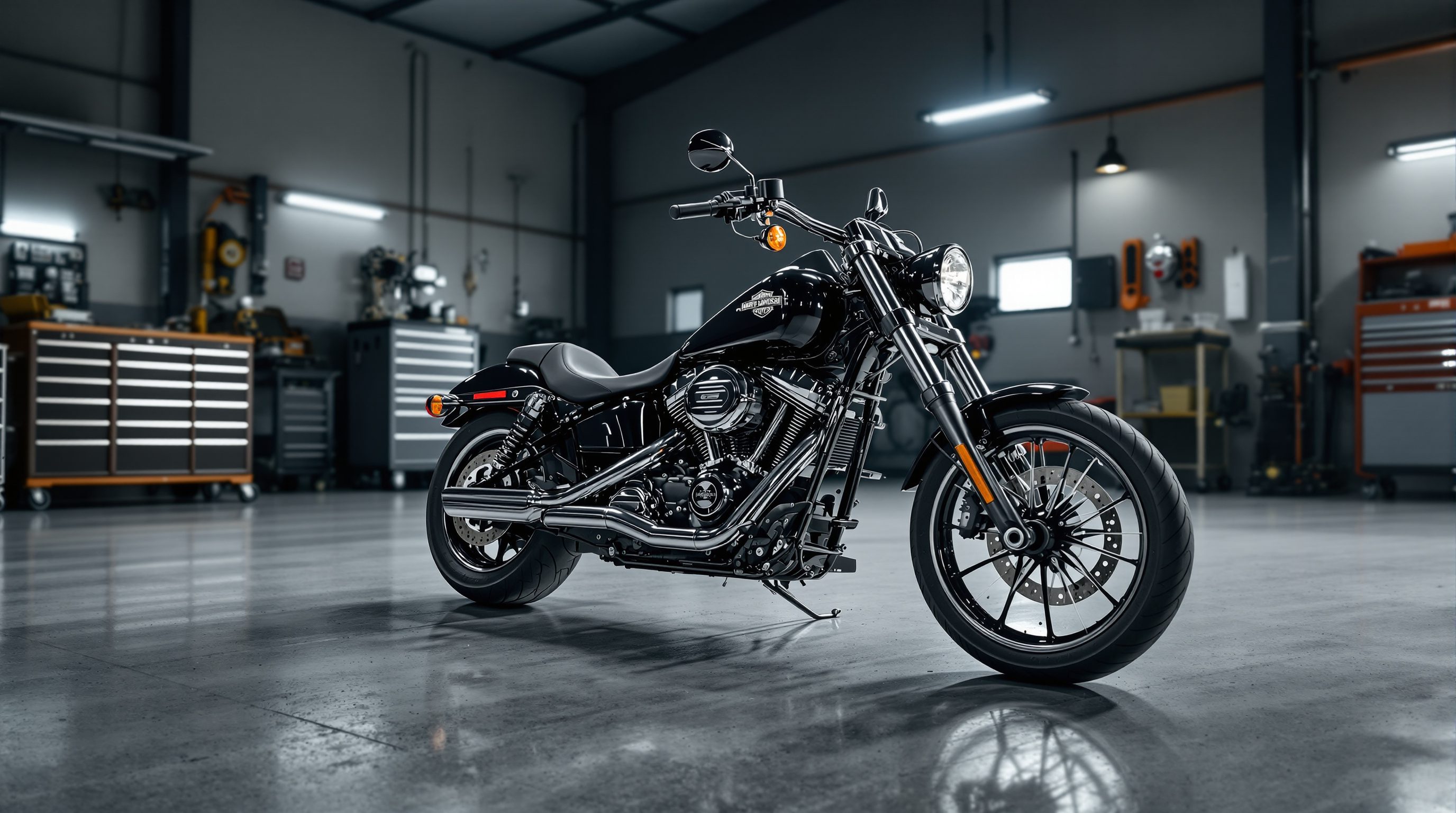
Total Loss: How Florida Insurers Value Your Wrecked Motorcycle
A serious crash usually ends with two fights. One is over your injuries. The other is over your motorcycle, and it starts the moment an insurer says the word "totaled." That single word means the company has decided your bike is not worth fixing, and now it gets to tell you what it thinks the bike was worth. Nine times out of ten, that first number is low.
When Florida Calls a Motorcycle a Total Loss
Under Florida Statute 319.30, a vehicle is generally considered a total loss when the cost to repair it reaches 80 percent of its value before the crash. Hit that threshold and the insurer stops paying to fix the bike and instead pays you its value, then takes the wreck. Motorcycles cross that line faster than cars. A bike has no crumple zones, so a spill that would dent a car door can bend a frame, crack an engine case, and destroy bodywork all at once. Repair estimates climb quickly, and it does not take a dramatic wreck to blow past 80 percent of a motorcycle's value.
How Actual Cash Value Is Supposed to Be Set
When your bike is totaled, the insurer owes you its actual cash value, or ACV. That is meant to be what your specific motorcycle was worth the instant before the crash, not a generic book number and not the price of a brand-new replacement. ACV is where most of the fighting happens, because the insurer builds it and you get to challenge it. The value should reflect what similar bikes of the same make, model, year, and mileage actually sell for in the Florida market, a well-maintained low-mileage bike is worth more than the base number, and factory options should push the value up. The insurer's software often reaches for the lowest defensible figure, so your job, or your lawyer's, is to make it justify every number and to bring your own comparable sales to the table.
The Extras Insurers Love to Ignore
Riders pour money into their bikes, and a lowball total-loss offer conveniently forgets all of it. These are real value that belongs in your payout.
- ✓ Aftermarket parts. Exhaust, suspension, custom seats, engine work, and upgraded electronics add value the base book number does not include.
- ✓ Riding gear. Helmet, jacket, gloves, and boots destroyed in the crash are property losses tied to the wreck, and you should not just eat that cost.
- ✓ Sales tax and fees. Florida requires insurers to include the 6 percent sales tax in a total-loss settlement, because you will owe it again on a replacement, and title and registration fees belong in the number too.
- ✓ Recent maintenance. New tires, a fresh chain, or a recent major service are money you spent that the crash erased.
How to Fight a Lowball Offer
The first offer is a starting point, and treating it as final is exactly what the insurer hopes you will do. Do not accept on the spot, because once you agree that door is hard to reopen. Ask for the valuation report with the exact comparables and adjustments the insurer used, then check them, and bring your own real listings for similar Florida bikes, especially local ones, because they carry weight. Document everything with photos, receipts, and service records, since a paper trail beats a vague argument every time. And remember that property damage and injury claims are related, so a rider handling the bike alone can accidentally weaken the bigger claim by saying the wrong thing to an adjuster.
Salvage, Gap, and Why PIP Still Does Not Help
After a total loss, the insurer normally keeps the wrecked bike and it goes to salvage with a branded title. You can sometimes keep the salvage yourself, but the insurer will subtract its value from your payout, so run the math first. The nastier surprise is the gap. If you still owe more on your loan than the bike's ACV, the insurer pays the ACV and you can be left owing the difference on a motorcycle you no longer have. Gap insurance exists precisely for this, and if you financed your bike and skipped it, a total loss can turn into a bill for a machine sitting in a salvage yard. Meanwhile, do not forget that Florida gives you no PIP for your own injuries as a motorcyclist, so your medical bills and lost wages ride entirely on the at-fault driver's coverage or your own UM/UIM. That is another reason not to sign away anything, or give a recorded statement, before the full picture of your claim is clear.

Led by Jason Melton, Whittel & Melton in Spring Hill fights for injured motorcyclists. Reach out to their Spring Hill motorcycle accident attorneys anytime you need real answers.