Left-Turn and Intersection Crashes in Tampa Bay: Proving the Other Driver's Fault
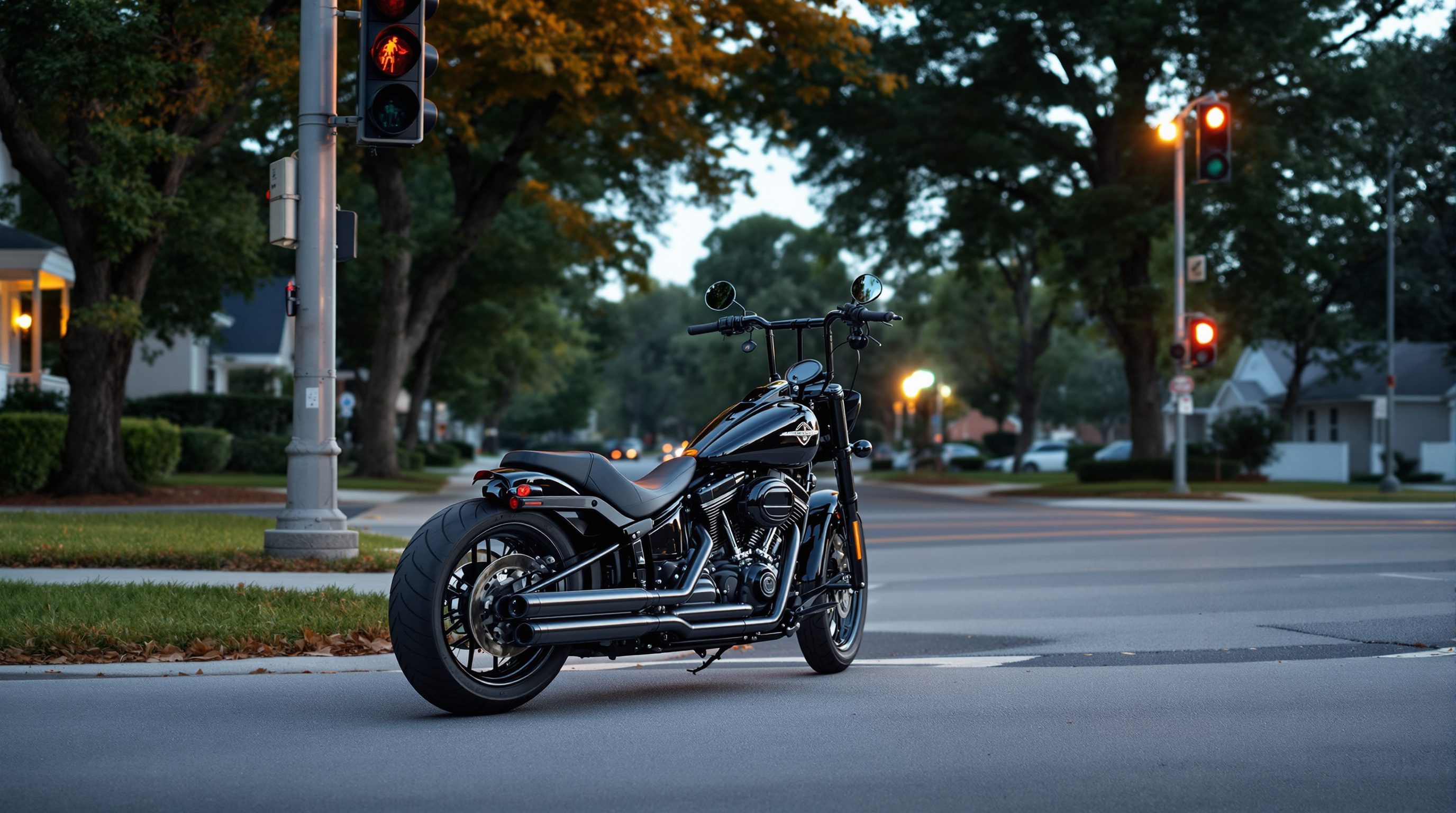
You are riding straight through a Tampa Bay intersection with the light green and the way clear. A car in the oncoming lane turns left across your path, and there is nowhere to go. This is the single most common way a rider gets hurt by another vehicle, and it happens at intersections all over the region, from the six-lane crossings on US-19 up the Nature Coast to the surface streets feeding I-4 and I-275.
Why the Left-Turn Crash Keeps Happening
The left-turn collision is a geometry problem and a perception problem at once. A driver waiting to turn left is scanning for a gap in oncoming traffic, and a motorcycle is narrower than a car, so it hides in the same visual space a driver has learned to read as empty. The driver's brain fills in a gap that is not there, commits to the turn, and cuts directly across the rider's path. Add the specific hazards of Tampa Bay riding, low winter sun on an east-west road, heavy tourist traffic that does not know the intersections, and wide multilane crossings like those on US-19 where a turning driver has to clear several lanes at once. The result is a rider with the right of way ending up on the ground, blamed for a crash they could not have avoided.
"I Never Saw Him" Is Not a Defense
Drivers say they never saw the motorcycle because they genuinely believe it, but that does not make it their legal defense. It makes it their admission. A driver turning left across oncoming traffic has a duty to yield to vehicles close enough to be a hazard, and a motorcycle with the right of way is one of those vehicles. Failing to see a rider who was lawfully there is exactly the failure the law holds the turning driver responsible for. In plain terms, "I did not see you" usually translates to "I turned when I should have waited." That is failure to yield, and in a left-turn crash it is the core of the other driver's liability.
How Fault Actually Gets Proven
Insurance companies know the left-turn rider almost always has the stronger case, so they work to muddy it, suggesting you were speeding, that you ran the light, or that you appeared out of nowhere. Solid evidence is what shuts that down, and the sooner it is gathered the better, because footage gets overwritten, witnesses forget, and skid marks wash away in the next Gulf Coast downpour.
- ✓ Traffic and business cameras. Intersections, gas stations, and storefronts near Tampa Bay crossings often capture the turn on video, which can settle who had the light in seconds.
- ✓ Independent witnesses. Other drivers and pedestrians who saw the turn carry weight precisely because they have nothing to gain.
- ✓ The crash report and physical evidence. Skid marks, point of impact, debris fields, and vehicle damage tell a story about speed and position that words cannot rewrite.
- ✓ The failure-to-yield violation. A citation issued to the turning driver is strong support for the claim, though the case does not rise or fall on it alone.
- ✓ Your own gear and bike data. A helmet cam, a dash cam, or data off a modern bike can be the cleanest proof of all.
Watch the 51 Percent Bar
Here is why the fault fight matters so much in Florida. In 2023 the state moved to a modified comparative negligence system with a 51 percent bar. Your damages get reduced by your share of fault, and if an insurer can push your share past 51 percent, you recover nothing at all. That is exactly what the "you were speeding" and "you came out of nowhere" stories are for. If the turning driver was clearly at fault but the adjuster can hang 30 or 40 percent of the blame on you, they cut your recovery by that much, and if they can get you over the line to 51 percent, they pay zero. Every percentage point is money, so protecting your share of fault is the difference between a full recovery and a gutted one.
The PIP Problem Rides Along
Even in a crash that is plainly the other driver's fault, Florida hands riders one more hurdle. Motorcycles are excluded from Personal Injury Protection, so you have no automatic medical coverage to fall back on while the claim plays out. On top of that, Florida does not require drivers to carry any bodily injury liability coverage, so the driver who turned across your path may have nothing to pay you with. That is why your own uninsured and underinsured motorist coverage is a rider's lifeline here, and why proving fault and finding coverage go hand in hand. Florida's 2023 reform also cut the deadline to file most injury claims to two years, and the footage and witnesses that win a left-turn case disappear long before that, so the practical deadline for locking down proof is much sooner than the legal one.
Jason Melton and the motorcycle accident lawyers in Spring Hill at Whittel & Melton represent riders hurt by negligent drivers. If you have questions after a crash, their team is here to help.