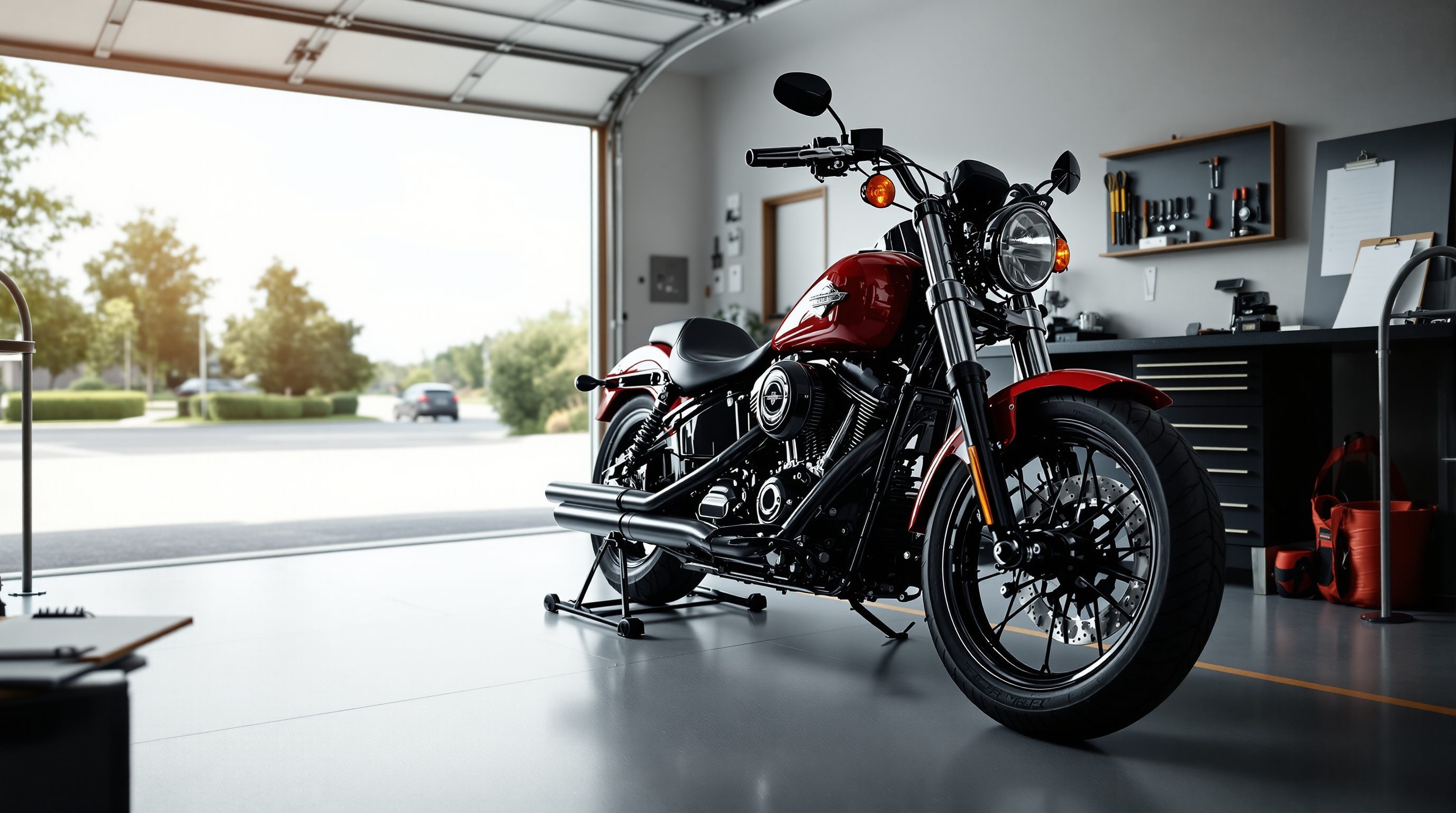
Peak-Season Ready: The Florida Rider's Pre-Ride and Bike Checklist
Riders in other states winterize their bikes. In Florida you never really stop, but late winter and early spring are still the moment to get serious. The snowbird traffic is thick, Bike Week draws riders down every road on the Gulf Coast, and the long hot season is coming. This is your peak-season tune-up: the check that catches the small problem in the driveway before it becomes a bad day on US-19 or the Suncoast Parkway.
Start With T-CLOCS
The T-CLOCS inspection is the Motorcycle Safety Foundation's standard walk-around, and it is worth doing before the season ramps up. The letters stand for Tires and wheels, Controls, Lights and electrics, Oil and fluids, Chassis, and Stands. Run it top to bottom and you catch the vast majority of mechanical problems before they catch you.
- ✓ Tires and wheels. Check tread depth, look for dry rot and cracking, and set pressure to spec. Florida heat and UV age rubber fast, and a tire that looked fine all winter can be past its prime by spring.
- ✓ Controls. Work the throttle, clutch, and brake levers through their full travel, watching for frayed cables, sticky returns, and cracked lines.
- ✓ Lights and electrics. Test the headlight, brake light, turn signals, and horn. Being seen is half of surviving Florida traffic, so a dead bulb is a real hazard.
- ✓ Oil and other fluids. Check engine oil, brake fluid, coolant, and for leaks under the bike. Heat is hard on fluids, so do not stretch a change interval into the hot months.
- ✓ Chassis, chain, and stands. Inspect the frame, suspension, and fasteners, check chain tension and lube, and make sure both stands spring back and hold.
Tires and Pressure in the Florida Heat
Tires deserve a second look because Florida is brutal on them. Heat and constant UV exposure break rubber down faster than the mileage alone would suggest, so a tire can be worn out by the calendar before it is worn out by the road. Check for cracking in the sidewall and between the tread blocks, not just tread depth. Pressure matters just as much. Hot pavement raises tire temperature and pressure, and an underinflated tire runs hotter still, which is how blowouts happen on a long Gulf Coast run in July. Set your pressure to the manufacturer's spec when the tires are cold, and check it often through the season. Correct pressure is free grip and free stability.
The Battery and the Humidity
Florida's heat and humidity are as hard on batteries as northern cold is. High temperatures accelerate the chemistry that wears a battery out, and a battery that cranked fine in January can be on its last legs by the time the busy season hits. Check the terminals for corrosion, make sure connections are clean and tight, and if the battery is a few years old, test it or replace it before it strands you somewhere hot. Then give the brakes a deliberate check beyond the T-CLOCS glance: look at pad thickness, feel for a firm lever and pedal, and watch for a spongy feel that points to old fluid or air in the line. Your brakes are what buy you room when a car turns left in front of you.
Gear, Sun, and Hydration
The Florida twist on gear is that the danger is not just abrasion, it is heat. The temptation to ride in a t-shirt and shorts is real, and it is exactly how road rash turns into a skin graft. Choose ventilated riding gear that protects you and breathes, so you can keep it on when it is ninety degrees out. Add sun and heat management to your pre-ride thinking. A tinted or clear visor for the glare, sunscreen on exposed skin, and water on board are not luxuries on a long Gulf Coast ride, because dehydration and heat fatigue dull reaction time as surely as any mechanical fault, and a tired rider makes worse decisions in traffic.
Re-Check Your Insurance Before the Season
Here is the checklist item riders skip, and the one that matters most if things go wrong. Florida excludes motorcycles from Personal Injury Protection, so the automatic medical coverage car drivers rely on does not exist for you. On top of that, Florida does not require drivers to carry any bodily injury liability coverage, so the driver who hits you this spring may have nothing to pay your bills. That makes your own uninsured and underinsured motorist coverage the single most important line on your policy. Before the busy season and Bike Week, pull out your declarations page and confirm you actually carry UM/UIM and that the limits are high enough to matter. If you ride at 21 or older without a helmet, confirm you carry the $10,000 in medical coverage Florida requires for that choice. Checking coverage takes ten minutes and costs nothing, and it is the one repair you cannot make after the crash.

Jason Melton and the Spring Hill motorcycle accident attorneys at Whittel & Melton represent riders hurt by negligent drivers. If you have questions after a crash, their team is here to help.