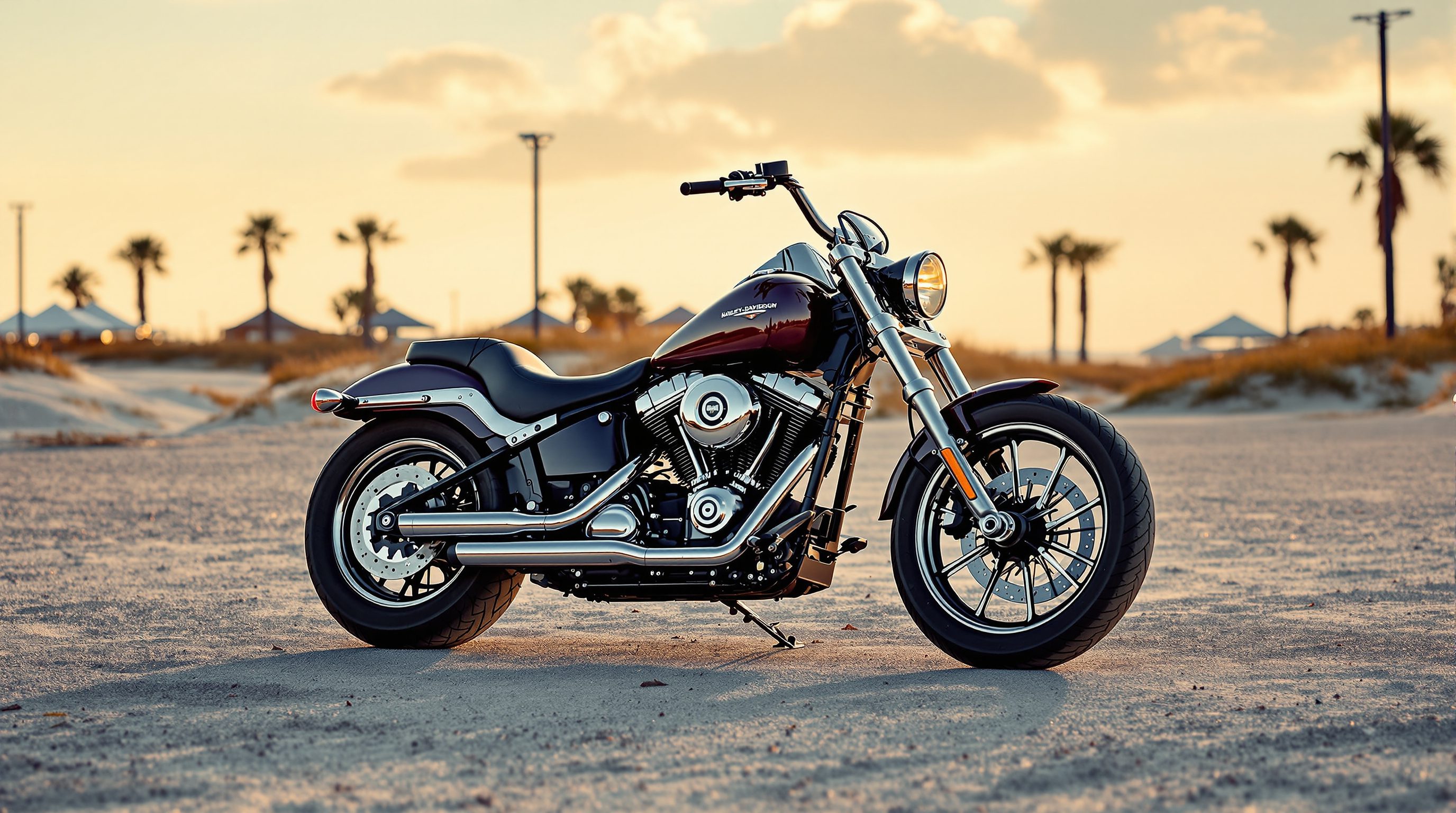
Riding to Daytona Bike Week: A Florida Rider's Safety and Legal Game Plan
Every March, Daytona Bike Week turns Central Florida into the biggest motorcycle party in the country. Hundreds of thousands of riders roll into Volusia County over ten days for the racing, the vendors, Main Street, and the Ormond Beach loops. If you keep a bike in Tampa Bay, you have almost certainly thought about pointing it east on I-4 and joining them. Go, it is worth it, but understand what you are riding into and how to protect yourself if a careless driver turns your Bike Week into an injury case.
The Ride Over Is Where Riders Get Hurt
The crashes that ruin Bike Week often do not happen on Main Street at five miles an hour. They happen on the run out and the run home, on the interstate, when everyone is tired, hurried, and packed together. The most direct route from Tampa Bay is I-4 across the middle of the state, and I-4 is one of the most dangerous corridors in Florida on an ordinary day. During Bike Week it fills with cars towing trailers, RVs, out-of-state plates, and riders who do not know each other traveling in loose packs at seventy miles an hour. Add construction, sun glare, and afternoon rain and you have the exact kind of high-speed, multi-vehicle crash a motorcycle never wins. Leave early, plan your fuel and rest stops, and do not push straight through.
Ride Your Own Ride, Not the Pack's
Bike Week has a way of turning strangers into a group, and riding in a large, unfamiliar pack is its own hazard. You do not know the person in front of you, how they brake, or whether they are sober. Ride the week on your terms, not the crowd's.
- ✓ Stagger your formation and keep space. A proper staggered formation with real following distance gives everyone room to react. Tailgating the bike ahead to hold the group together is how a chain-reaction pileup starts.
- ✓ Do not let ego set your pace. If the pack is riding faster than you are comfortable with, back off and let them go. There is no prize for keeping up.
- ✓ Watch for the drunk driver, day and night. Bike Week is a drinking event, and Volusia County steps up DUI enforcement for a reason. Assume the car drifting in the next lane has had a few.
- ✓ Gear up even in March heat. Pavement does not care what the forecast said. A helmet, a real jacket, gloves, and boots are the difference between road rash and a hospital stay.
The Legal Trap Most Riders Never See Coming
Here is the part that catches Florida riders off guard, whether they crash at home or at Bike Week. Florida is a no-fault PIP state, but motorcycles are specifically excluded from PIP. The automatic medical and lost-wage coverage that car drivers count on does not reach you on a bike. It gets worse: Florida does not require drivers to carry bodily injury liability coverage at all, so the tourist in a rental car or the local who pulls out in front of you may have nothing to pay for your injuries. Bike Week also draws a huge number of out-of-state drivers whose coverage may be thin, expired, or hard to chase across state lines. That is why your own uninsured and underinsured motorist coverage is the single most important thing on your policy. UM/UIM is what pays when the at-fault driver has no insurance or not enough, which is exactly the situation you are most likely to face after an out-of-town crash. Check your policy before you leave for Daytona, not from a hospital bed, and remember the deadline to file an injury lawsuit is now two years from the crash under the 2023 reform.

Jason Melton and the Spring Hill motorcycle injury attorneys at Whittel & Melton represent riders hurt by negligent drivers. If you have questions after a crash, their team is here to help.