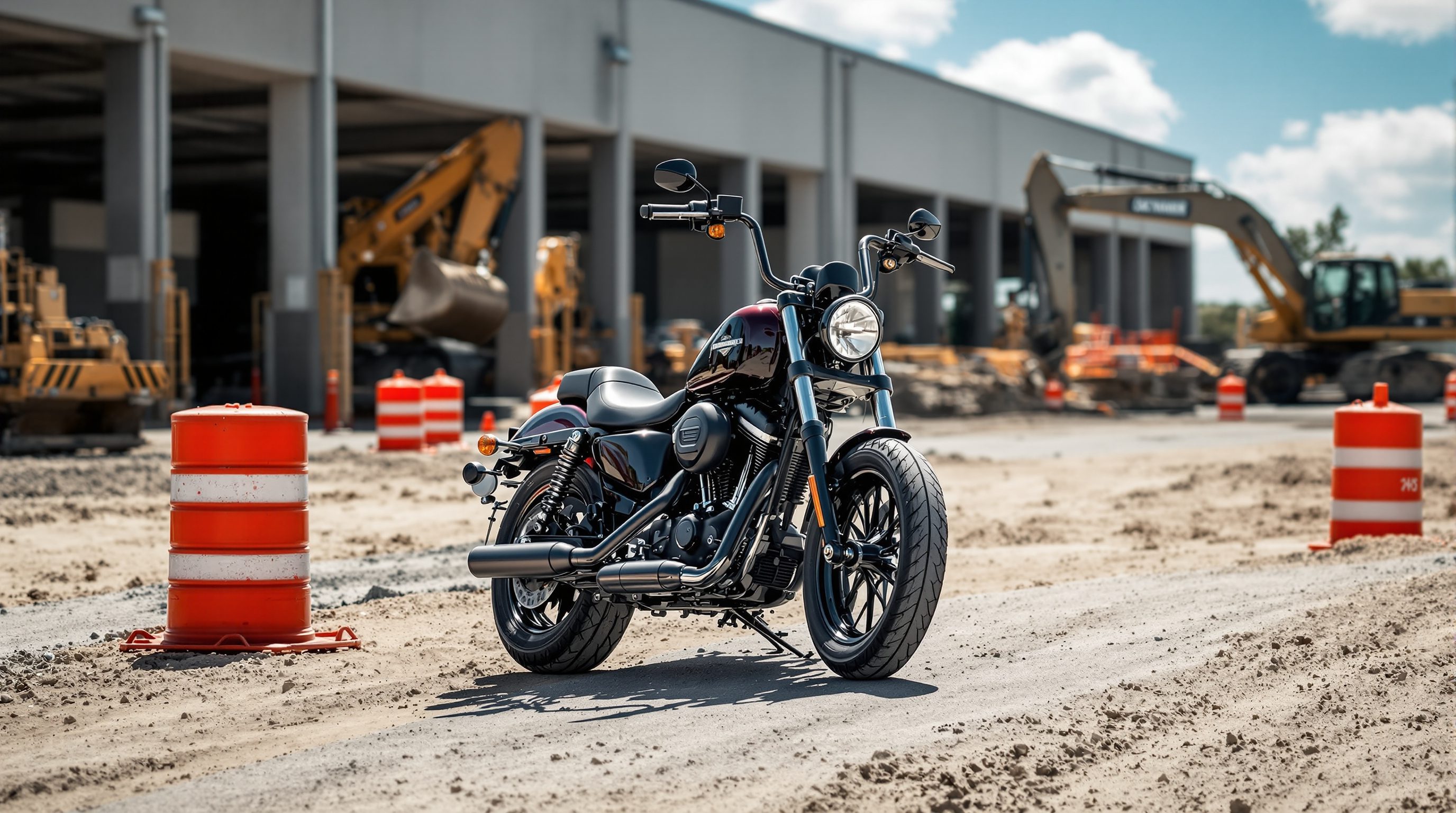
Construction Zones and Road Debris on Tampa Bay Highways: A Rider's Survival Guide
If you ride the Tampa Bay highways, you ride through construction. I-4 has been a rolling work zone for years. I-275 rebuilds interchanges a section at a time. The Suncoast Parkway, the Gale Lightfoot corridor, keeps pushing north with new lanes and new pavement. For a car, all of this is an annoyance. For a motorcycle, a work zone is a genuine hazard, and so is the loose gravel, blown truck tread, and stray cargo that construction and heavy traffic leave behind.
Why Work Zones Are So Dangerous on Two Wheels
The things that make a construction zone survivable in a car are the same things that make it dangerous on a bike. Lane edges go uneven, with a two- or three-inch drop between old pavement and new that can grab a tire and stand a bike up sideways. Temporary lane shifts route you across grooved pavement, tar snakes, and steel plates that get slick in the rain and squirm under a motorcycle's contact patch. Lanes narrow and drift, pushing you closer to concrete barriers with no shoulder and nowhere to escape. Traffic stacks up and stops suddenly, and the driver behind you staring at the cones instead of the brake lights is a real threat to a rider sitting still. Then there is the loose material: work zones shed gravel, sand, and milled asphalt across the travel lanes, and loose material at a curve or a lane shift is exactly where traction disappears.
How to Ride a Tampa Bay Work Zone
You cannot avoid the construction on I-4, I-275, or the Suncoast, but you can ride it in a way that keeps a hazard from becoming a crash. The safe habit against most debris is the same: keep your eyes far up the road so you see the hazard early enough to change your line smoothly instead of swerving at the last second.
- ✓ Slow down before you need to. Speed is time, and time is everything when a lane shift or a debris field appears. Enter work zones under the flow, not with it.
- ✓ Read the pavement and the edges. Watch for the drop-off between lanes, steel plates, grooved surfaces, and tar patches, and cross seams and ridges as close to straight up as you can.
- ✓ Build a space cushion, front and back. Leave room ahead to brake or steer around debris, and stay aware of the driver behind you who may not stop when traffic bunches.
- ✓ Keep your eyes up and scanning. Look through the zone to spot stopped traffic, cones, and debris while you still have options. The earlier you see it, the smoother you can deal with it.
- ✓ Give trucks extra room. Hang back from the heavy trucks throwing gravel and the trailers with loads that look loose. If cargo is going to fall, you do not want to be right behind it.
When Debris or a Bad Road Is Someone Else's Fault
Not every debris or road-defect crash is just bad luck. If cargo or a tire came off a truck because it was overloaded, poorly secured, or badly maintained, the trucking company or driver may be legally responsible for the crash that followed. Florida law requires loads to be secured, and a company that ignores that and drops debris in your lane can be held accountable. The hard part is proving where the debris came from, which is why identifying the truck, getting witness information, and preserving the debris and the scene matters so much right after a crash. Road defects can create liability too: a dangerous drop-off, a work zone left without proper warning or protection, or a pothole a government or contractor knew about and failed to fix, though cases against government entities in Florida come with special notice rules and shorter timelines that make early legal advice important. And Florida's insurance rules hit riders hard no matter the cause, because motorcycles are excluded from PIP and drivers are not required to carry bodily injury coverage at all, which is why your own UM/UIM is often what stands between you and paying for a serious injury out of pocket.

Jason Melton and the Spring Hill motorcycle accident attorneys at Whittel & Melton represent riders hurt by negligent drivers. If you have questions after a crash, their team is here to help.