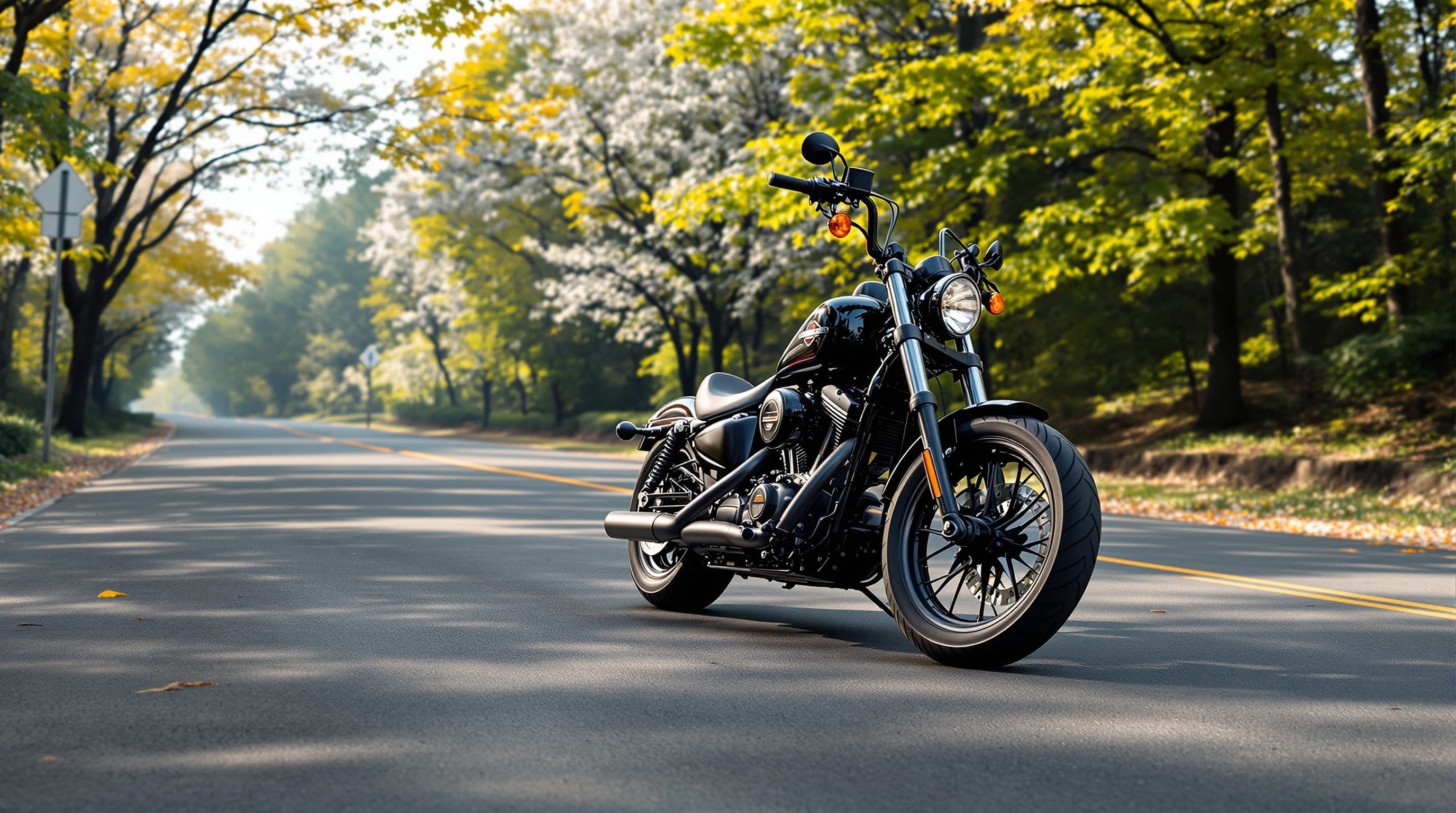
Spring-Ready: The Boston Rider's Pre-Season Checklist
The salt trucks are finally parked, the snowbanks are shrinking, and your bike has sat under a cover in a cold garage since November. Every Boston rider knows the itch. The first clear, dry weekend and you want to point it up Route 127 through Gloucester and Rockport, or out to the Mohawk Trail while the roads are still quiet. Slow down for one weekend of prep first, because a New England winter is hard on your bike, hard on the roads, and hard on your reflexes.
Run a full T-CLOCS after the layoff
T-CLOCS is the standard pre-ride inspection, and after a long layoff it is not optional. It stands for Tires and wheels, Controls, Lights and electrics, Oil and fluids, Chassis, and Stands. Cold storage does quiet damage, so walk through every letter instead of just kicking the tires. Tires come first, because rubber loses pressure and can develop flat spots or cracks sitting cold all winter. The battery is the most common winter casualty, since even a healthy one self-discharges in the cold. Oil that sat all winter should be changed, and brake, coolant, and clutch fluids checked for level and moisture before you rely on them in traffic.
- ✓ Tires and wheels. Set pressure to spec, inspect for flat spots, cracks, and dry rot, and confirm the tires have not aged out, because potholes punish weak rubber.
- ✓ Battery and electrics. Test and charge or replace a battery that sat cold all winter, and confirm every light, signal, and the horn works before you head into traffic.
- ✓ Fluids. Change winter-old oil, and check brake, coolant, and clutch fluids for level and moisture so your stopping power is there when you need it.
- ✓ Controls and cables. Work the throttle, clutch, and both brakes for smooth travel, and look for cables or lines that stiffened or corroded over the cold months.
- ✓ Chassis and stands. Check the chain or belt, suspension, fasteners, and both stands, since vibration and cold can loosen what was tight in the fall.
Rusty skills and brutal pothole season
The bike is not the only thing that sat all winter. Your reflexes, your throttle and brake feel, and your habit of scanning for threats all fade over months off the seat, which makes the first ride of the year one of the more dangerous. Give yourself an easy first ride on a quiet route, keep speeds down, and practice hard stops before you tackle the Mass Pike. Then respect the roads. A Boston winter of freeze, thaw, plows, and salt tears the pavement apart, and spring is when potholes, frost heaves, and crumbling edges show up everywhere. What a driver never notices can put a motorcycle down, so keep your eyes up and scanning, avoid the tire tracks where holes cluster, and watch shaded corners and standing water on roads like Storrow Drive and Memorial Drive.
Re-check your insurance and UM before you roll
Prep is not just the bike. Massachusetts no-fault PIP does not cover motorcyclists, so there is no automatic coverage for your own bills after a crash. The state minimum liability is only 20/40/5, and that thin cushion disappears fast in a serious injury. The coverage that actually protects a rider is uninsured and underinsured motorist coverage, required at 20/40 but worth carrying much higher. Before you point the bike toward Cape Ann or the Mohawk Trail, confirm the policy is active, confirm your UM and UIM limits are as high as you can reasonably carry, and ask your agent about raising them. A ten minute call now is a lot cheaper than finding a coverage hole from a hospital bed.

Jeff Glassman and the Boston motorcycle accident attorneys at Glassman Injury Lawyers represent riders hurt by negligent drivers. If you have questions after a crash, their team is here to help.