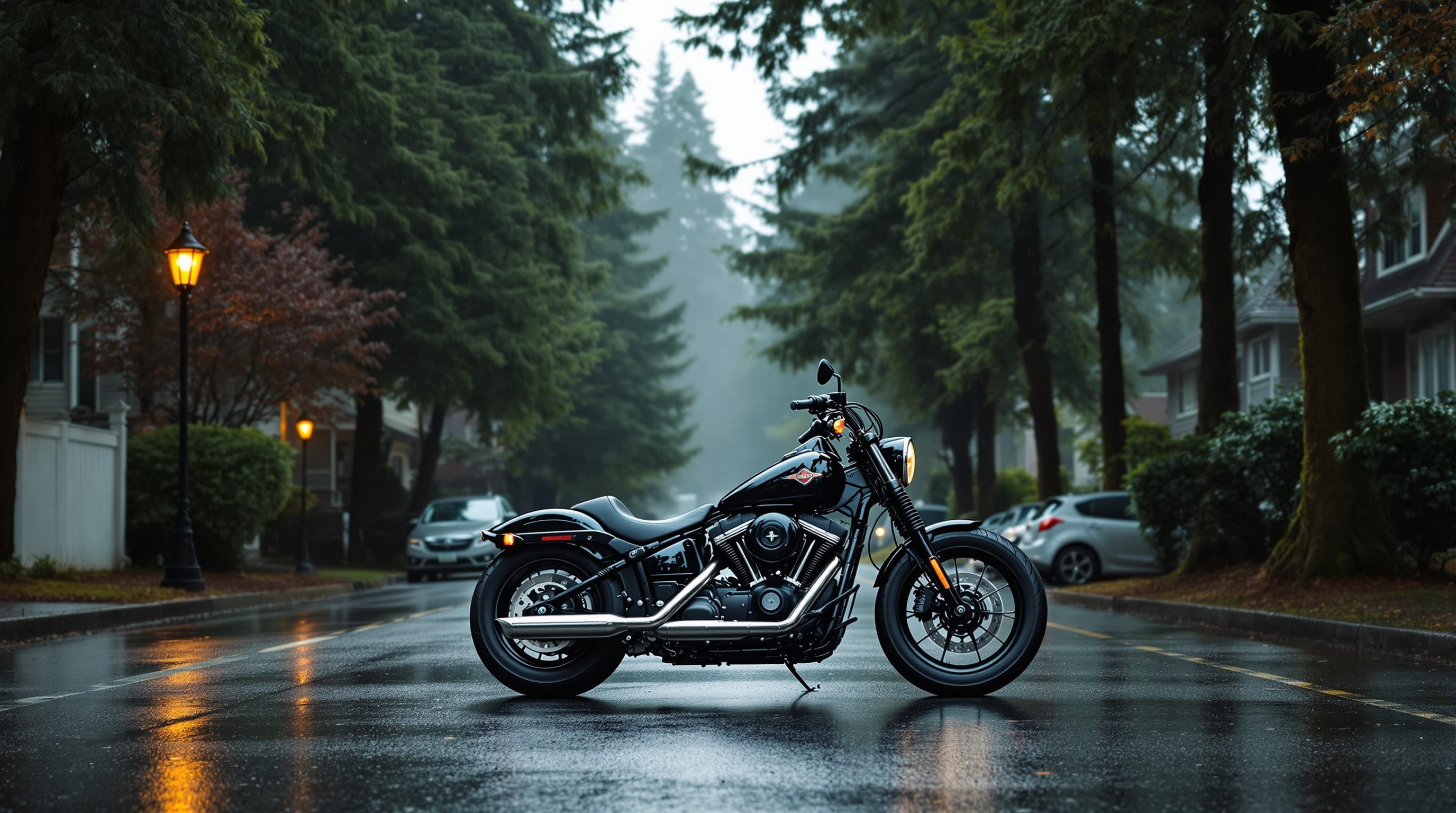
Winter Storage and Your Motorcycle Insurance in Oregon: Should You Drop Coverage?
If you ride in Portland, you already know the math. Somewhere between the last dry weekend in October and the first real break in March, most of us tuck the bike away and let the rain have the roads. And every winter the same question comes up: why keep paying full freight on insurance for a motorcycle that is sitting on a trickle charger in the garage? It feels like easy money to save. It is also one of the easiest ways to blow a hole in your own coverage that you will not notice until spring, when your rate jumps or a claim gets denied. Dropping the wrong coverage for the winter can cost you far more than the few dollars a month you saved. Here is how to park smart in Oregon without leaving yourself exposed.
Keep comprehensive, because a parked bike still gets stolen
The single coverage you should almost never drop for the winter is comprehensive, and the reason is simple: comprehensive is the part of your policy that pays when something happens to the bike while you are not riding it. Theft, fire, a tree limb through the garage roof in a windstorm, vandalism, a flood, a rodent chewing your wiring loom, all of that lives under comprehensive. A motorcycle in storage is not a motorcycle out of danger. Off-season is exactly when bikes get stolen, because thieves know the garage is quiet and the owner is not checking on it every day. Comprehensive is usually the cheapest line item on the whole policy, so cutting it saves you almost nothing and exposes you to the loss of the entire machine. If you trim anything, this is the last coverage to touch, not the first.
What you can consider pausing, and what you cannot
Collision and liability are a different conversation. Liability and collision are about the bike moving and interacting with other vehicles, so if the motorcycle is genuinely off the road for months, some riders ask their carrier about a storage or lay-up option that suspends those pieces while keeping comprehensive active. That can be legitimate, but only under two hard conditions. First, the bike truly cannot be ridden, not "I probably will not ride it," because if you take it out on a dry January afternoon with liability suspended, you are riding uninsured and breaking Oregon law. Second, there is no lienholder. If you are still making payments, your loan almost certainly requires you to carry full coverage year round, and dropping collision or comprehensive can put you in default and let the lender force-place far more expensive insurance on you. Before you change a thing, read your loan terms and call your carrier. Never assume.
- ✓ Keep comprehensive in force all winter. It covers theft, fire, vandalism, and weather damage to a stored bike, and it is cheap, so cutting it saves little and risks the whole machine.
- ✓ Never let the policy lapse entirely. A gap in coverage is a red flag to insurers and often means a higher rate when you restart, on top of leaving you exposed the moment you roll it out in spring.
- ✓ Protect your UM/UIM. Uninsured and underinsured motorist coverage is the rider's real backstop in Oregon. Keep it running so you are covered the day you get back on the road, and so a stored-and-restarted policy does not quietly drop it.
- ✓ Check for a lienholder before touching anything. If you financed the bike, your loan likely requires full coverage year round, and dropping it can trigger force-placed insurance or default.
- ✓ Do not ride a bike whose liability you suspended. One dry-day ride with liability off the policy is riding uninsured, which is illegal in Oregon and financially catastrophic if you go down.
The UM/UIM trap hiding in your winter savings
Here is the piece riders miss when they try to cut costs over the winter. In Oregon, PIP does not follow the motorcycle. On a car, Personal Injury Protection pays your own medical bills after a crash no matter who was at fault, but motorcycles are exempt, so there is no PIP on the bike for your own injuries unless you bought it separately. That makes your uninsured and underinsured motorist coverage the most important protection you have as a rider, because when the driver who hits you has no insurance or nowhere near enough, UM/UIM is what pays for your injuries. If you cancel a policy over the winter and rebuild a cheaper one in spring, it is easy to end up with less UM/UIM than you had, or none, right as you head back into riding season. Whatever you do with storage coverage, do not let it quietly erode the one backstop that actually protects your body and your income.
Park it right so spring is smooth
Storing a bike well is not just about the insurance. Fill the tank and add stabilizer so the fuel does not gum up, put the battery on a maintainer, get it up off a cold concrete floor, and keep it under a breathable cover rather than a plastic tarp that traps moisture in our damp climate. All of that protects the machine. But the coverage decision protects everything else. The goal over the winter is not to strip the policy to the bone, it is to keep the protections that matter while the bike sleeps, so that when the first dry stretch arrives you can roll out fully covered instead of scrambling to reinstate insurance the night before your first ride.
When a stored-bike claim goes sideways
Winter claims get denied more often than riders expect, usually over exactly these gaps: a comprehensive coverage that was cut to save a few dollars, a lapse that voided the policy, or a liability suspension that the rider forgot about before taking the bike out. If your bike is stolen or damaged in storage and the carrier is dragging its feet or denying a claim it should pay, or if you get hurt in an early-season crash and the insurance company is low-balling your UM/UIM, that is worth a hard second look. The fine print on these policies is written by the insurer, for the insurer, and how a claim is framed makes a real difference in what gets paid.

Dave Eltringham and the Portland motorcycle injury attorneys at ELG Injury Lawyers represent riders hurt by negligent drivers. If you have questions after a crash, their team is here to help.