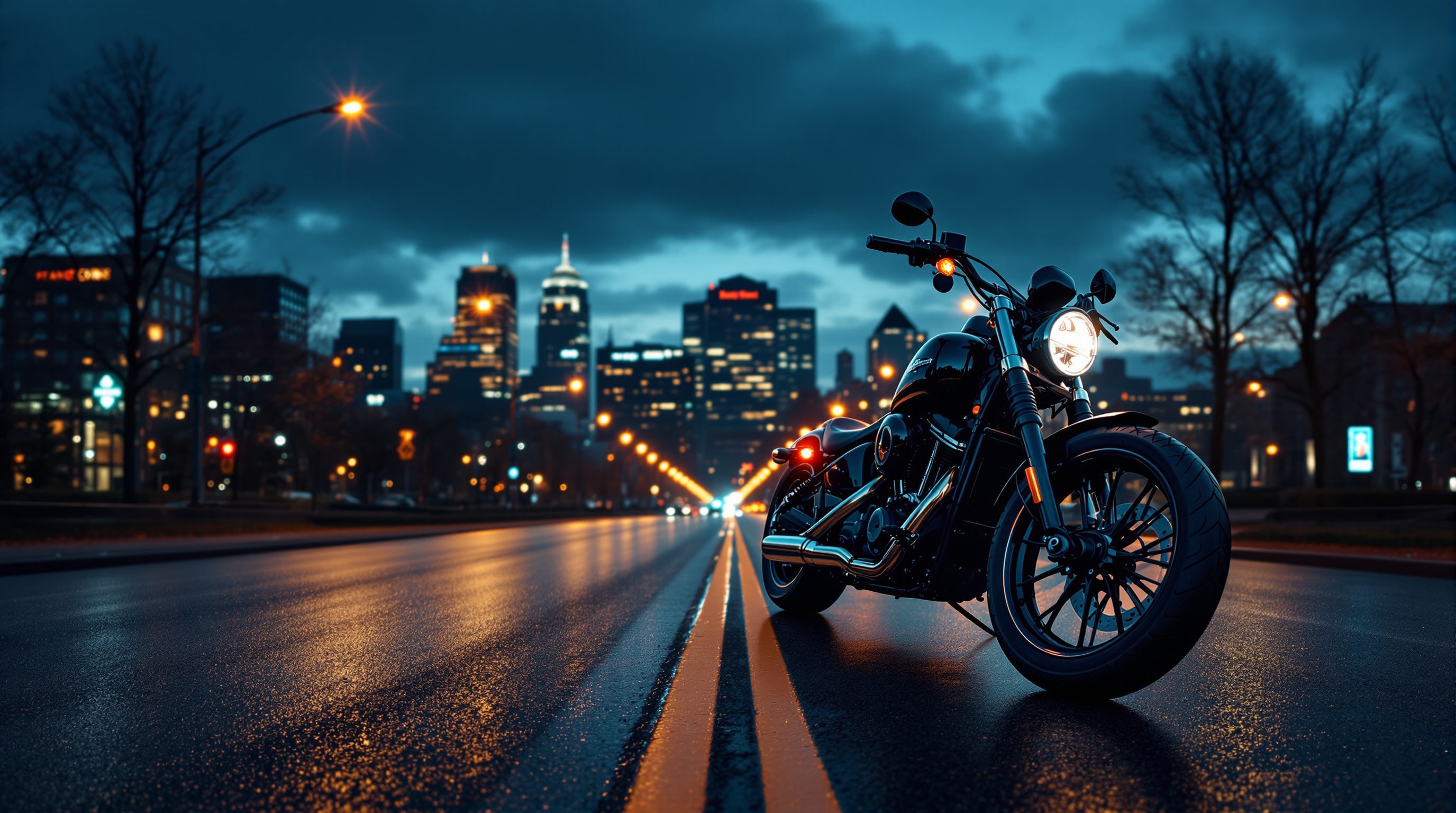
Rideshare Crashes and Motorcyclists in Portland: Who Pays When an Uber Hits You
Portland traffic runs on rideshare now. Ubers and Lyfts stack three deep outside Union Station, hunt for fares in the Pearl, and swing to the curb without warning on Burnside. Add the airport runs down I-205, the crossings over the Willamette on the Marquam and Fremont bridges, and the MAX and streetcar tracks downtown, and you have a city where a for-hire driver is often the one who takes you down.
The coverage depends entirely on the app phase
Rideshare insurance is not one policy. It switches on and off depending on what the driver was doing, and the difference between phases can be worth hundreds of thousands of dollars to you.
- ✓ App off. The driver is off the clock, so only their personal auto policy applies, often the bare Oregon minimum of 25/50/20.
- ✓ App on, waiting for a request. A limited contingent policy applies, with lower limits that kick in if the personal policy denies.
- ✓ En route or carrying a passenger. Uber and Lyft carry a $1 million third-party policy that covers people the driver hits, including you.
Why the app phase becomes a fight
Because so much money rides on the phase, expect the insurers to fight about it. The driver may claim the app was off to protect their personal carrier. Uber or Lyft may argue the driver was not yet engaged in a trip. Everyone has an incentive to push your claim onto the smallest available policy. The truth lives in the data, because rideshare companies log every phase change to the second, and that record can be preserved and requested if you move quickly.
PIP still will not follow the rider
It surprises people every time. Oregon requires PIP on auto policies, but motorcycles are exempt, so most riders carry none on the bike. A car occupant rear-ended by an Uber has their own PIP paying bills right away. As a rider you get none of that unless you bought it separately, so your medical bills and lost wages depend on proving the rideshare driver's fault and reaching the right liability coverage. And under ORS 31.600, if you are found more than 50 percent at fault you recover nothing, so the insurer will try to blame the rider.
Dave Eltringham and the motorcycle accident lawyers in Portland at ELG Injury Lawyers represent riders hurt by negligent drivers. If you have questions after a crash, their team is here to help.