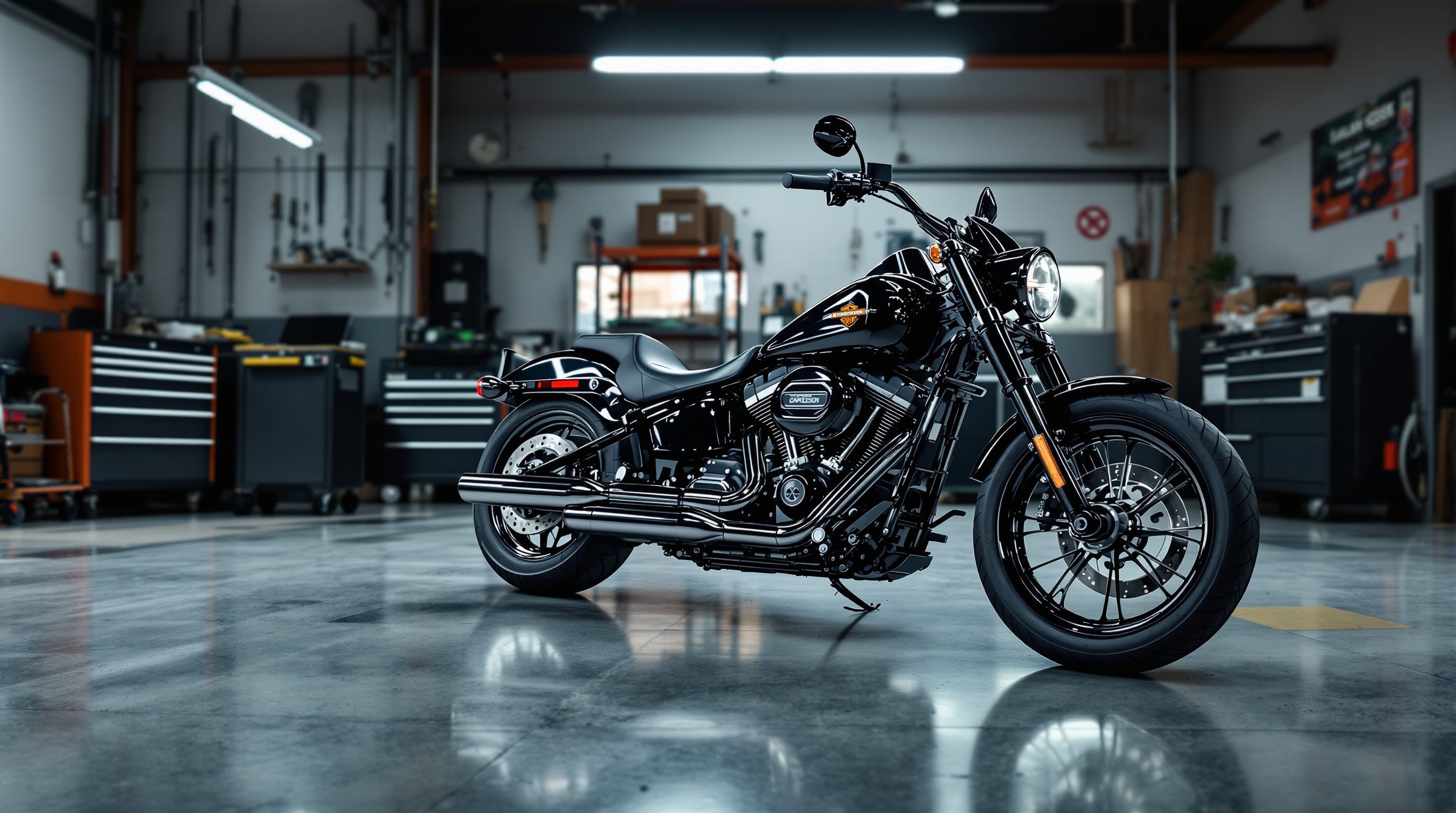
Total Loss: How Oklahoma Insurers Value Your Wrecked Motorcycle
You loved that bike. Then a driver on US-169 or the Creek Turnpike ran you off the road, and now an adjuster is on the phone using two words that sting: total loss. The message underneath is usually worse. The number they are about to offer is often thousands of dollars below what it would actually cost you to replace what you lost. A total loss does not mean your motorcycle was cut in half. It means the insurer decided repairs plus salvage cost too much, so they will pay you the value of the bike instead. The fight is over that value.
What Actual Cash Value Really Means
The standard an Oklahoma insurer owes on a totaled bike is actual cash value, or ACV. That is the fair market value of your specific motorcycle the moment before the crash, in the condition it was actually in. ACV is not what you paid for the bike, and it is not what a brand-new replacement costs today. It reflects the real market for a bike like yours: same year, make, model, mileage, and condition, sold in your area. Insurers usually calculate ACV with a third-party valuation service that spits out a number from a database. The problem is that these tools lean conservative, often miss what makes your bike worth more, and rarely account for the local Green Country market. That is where the lowball creeps in.
How Insurers Build the Number, and Where It Goes Wrong
Understanding how the offer is built shows you exactly where to push. Every input below is negotiable, and the rider who shows up with documentation almost always ends up with a higher number than the rider who accepts the printout.
- ✓ Comparable sales. If the comps are the wrong model, higher mileage, worse condition, or from a distant market, the value drops. You can supply better comps from the Tulsa area.
- ✓ Mileage and condition. A low-mileage, clean, well-maintained bike is worth more, and service records, receipts, and pre-crash photos prove it.
- ✓ Aftermarket parts and upgrades. Exhaust, saddlebags, a custom seat, crash bars, upgraded tires. Insurers leave these off unless you document and demand them.
- ✓ Riding gear. A helmet, jacket, gloves, and boots damaged in the crash are property that can be claimed too, and they are easy to forget.
Disputing a Lowball Offer
When the offer is too low, you are not stuck, and a methodical response works better than an argument. Ask for the full valuation report and every comp the insurer used, then check each comp for wrong mileage, wrong trim, poor condition, or distant location. Gather your own comps for the same bike sold near Tulsa, and document upgrades, service history, and gear with receipts and photos. Put your counter in writing with the evidence attached, and do not accept a verbal brush-off. If the insurer still will not move and the numbers are far apart, a lawyer can step in, and many Oklahoma policies allow an appraisal process to break a deadlock.
Salvage Titles, Gap Insurance, and What You Still Owe
In Oklahoma, a motorcycle is generally branded a salvage vehicle when the damage reaches about 60 percent of its fair market value. Once a bike is totaled, the insurer normally takes it and pays you ACV. If you want to keep it for parts or a rebuild, you can often buy it back, but the payout is reduced by the salvage value and the title carries a salvage brand that follows it forever. A total loss can also leave you owing money on a bike you no longer have. If you financed the motorcycle and owe more than its ACV, the insurance check may not clear the loan, and gap insurance covers that difference. Check whether you bought it, because riders often forget it was added at the dealership.

Led by Tony Edwards, Edwards & Patterson in Tulsa fights for injured motorcyclists. Reach out to their Tulsa motorcycle accident attorneys anytime you need real answers.