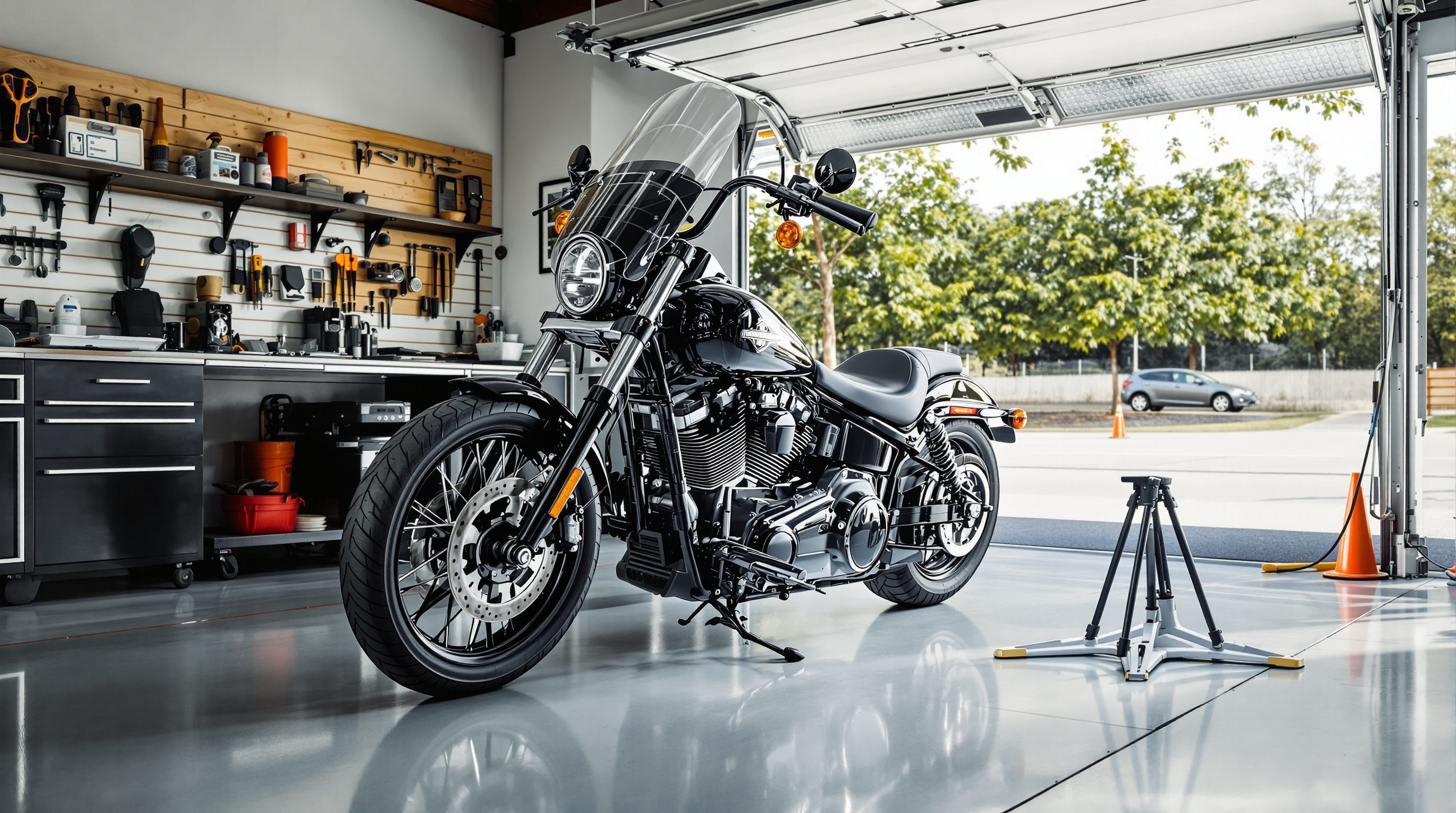
Spring-Ready: The Tulsa Rider's Pre-Season Checklist
The first warm week in Tulsa is a trap. The sun comes out, the temperature climbs into the sixties, and every rider in Green Country wants to fire up the bike and point it at Route 66. The problem is that your motorcycle just sat through an Oklahoma winter of ice storms, freezing nights, and a battery slowly going flat in the garage, and your own reflexes have been off the bike for months. A rushed first ride on a machine that has not been checked is how a great season starts with a crash. A methodical pre-season run-through fixes that, and it takes an afternoon.
Start With T-CLOCS, Not the Ignition
T-CLOCS is the inspection checklist the Motorcycle Safety Foundation built for exactly this moment, and it stands for tires and wheels, controls, lights and electrics, oil and other fluids, chassis, and stands. After a layup it is not busywork. Tires lose pressure and can develop flat spots or cracked sidewalls from sitting cold on concrete all winter, so check pressure and look hard at the rubber. Squeeze the brake and clutch levers and work the throttle to feel for cables that stiffened up. Run every light. Check oil, coolant, and brake fluid levels and look under the bike for the drips that mean a seal let go in the cold. Bounce the suspension, eyeball the chain or belt, and make sure the side and center stands snap back. Nothing on this list is exotic, and every item is a thing that fails first after a winter off.
The Battery and the Fluids an Oklahoma Winter Kills
The single most common no-start of spring is a dead battery. Cold drains it, and months of sitting finish the job, so put it on a charger a day before you plan to ride and replace it outright if it will not hold. Fluids matter just as much. Gas that sat all winter without stabilizer turns to varnish and gums up the fuel system, old brake fluid absorbs moisture and fades under hard use, and oil that has not turned over in months belongs in the drain pan. If you did not change the oil before storage, change it now before the first real ride, not after.
Look for What the Layup Did to Your Bike
Oklahoma winters are not gentle, and a garage is not a vault. Ice storms bring humidity and swings in temperature that breed corrosion, and a bike stored in a shed or barn is a favorite winter home for mice. Walk the machine before you trust it.
- ✓ Rodent damage. Mice chew wiring, nest in airboxes and exhausts, and leave droppings, so check under the seat, in the airbox, and up the pipes before you start it.
- ✓ Corrosion and rust. Winter moisture attacks brake rotors, fasteners, and electrical connectors, so clean surface rust off the discs and look for green crust on the contacts.
- ✓ Cracked and perished rubber. Cold hardens tires, hoses, and seals, so inspect the sidewalls, brake lines, and fork seals for cracks that showed up over the winter.
- ✓ Fuel-system gunk. Stale fuel and a varnished carburetor or injectors cause rough running, so if it stumbles and surges on the first start, that is why.
- ✓ Brakes that sat. Pistons can stick and pads can bond to rotors after months parked, so confirm both brakes bite cleanly and release fully before you leave the driveway.
Your Skills Are Rusty Too, and So Are the Roads
The bike is not the only thing that sat all winter. Your throttle control, your braking reflexes, and your habit of scanning for the left-turning driver all fade over a few months off. Take the first ride somewhere quiet and low-stakes, not straight onto I-44 or the Broken Arrow Expressway at rush hour, and ease the cornering and hard braking back in before you trust them. The roads are rusty too. Spring in Oklahoma is pothole and gravel season: the freeze-and-thaw cycle tears up the pavement, winter sand and gravel wash into the curves, and the first warm rain lifts oil to the surface. Ride the early season like the surface is out to get you, because for a few weeks it is.
Re-Check the Coverage Before the Season, Not After a Crash
While the bike is up on the stand, pull up your insurance. Oklahoma is an at-fault state with no no-fault coverage, and drivers here are only required to carry minimum liability of 25/50/25, which a serious crash blows through in an afternoon. Given Oklahoma's high uninsured-driver rate, your uninsured and underinsured motorist coverage is the real backstop that protects you when the driver who hits you has too little or nothing at all. Confirm your UM and UIM are in place and adequate, verify your policy is current, and fix any gap now. If the worst does happen out on the Osage Hills, Grand Lake, or the Talimena Byway this season, Oklahoma generally gives you two years to file an injury claim, but the coverage decision is one you want made before you ride, not after you are hurt.

Tony Edwards and the Tulsa motorcycle accident attorneys at Edwards & Patterson represent riders hurt by negligent drivers. If you have questions after a crash, their team is here to help.