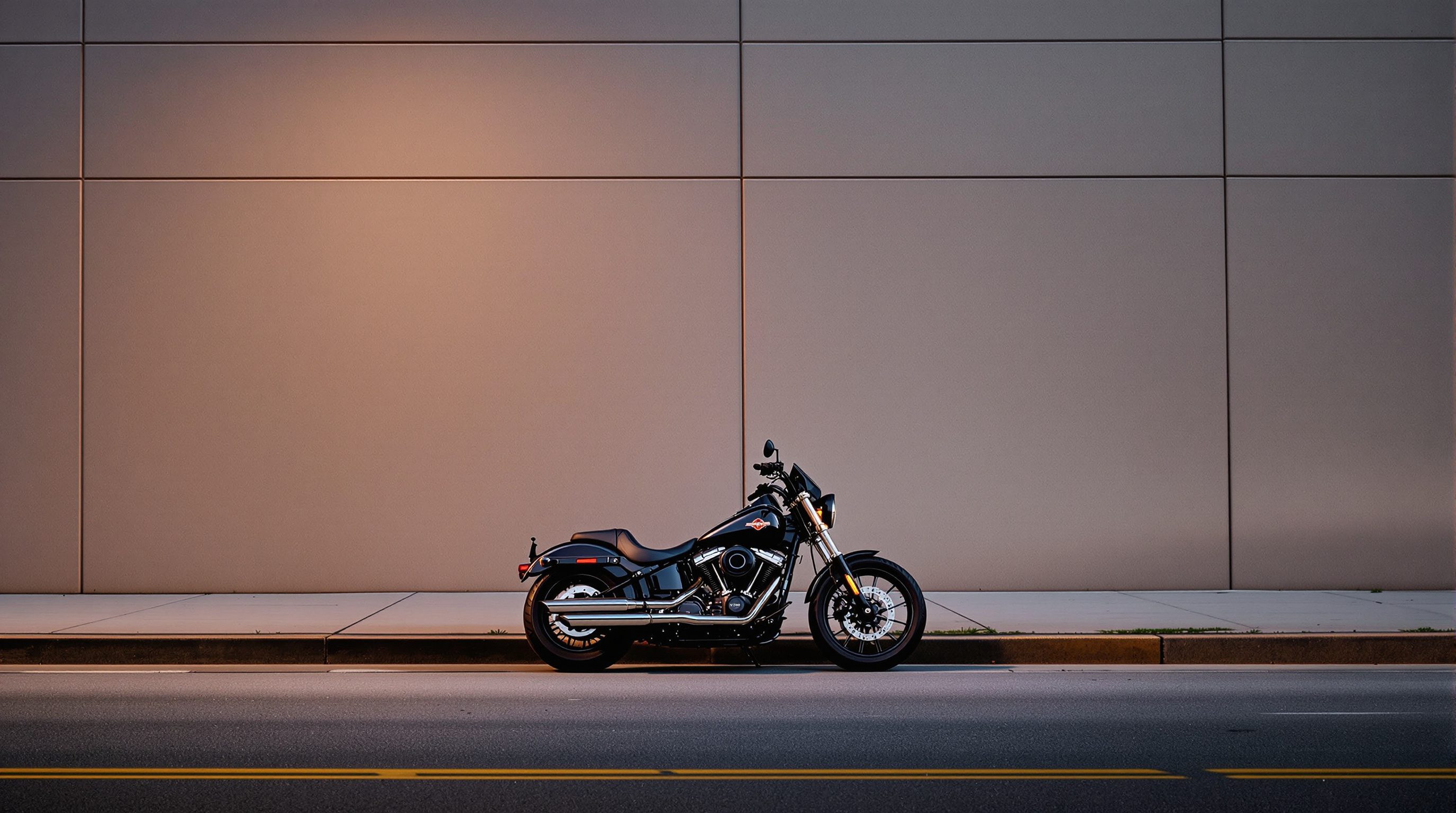
Rideshare Crashes and Motorcyclists in Tulsa: Who Pays When an Uber Hits You
Rideshare traffic has changed the way Tulsa moves. On a Friday night around the Blue Dome and Deco districts, along Route 66 through town, and up and down the Broken Arrow Expressway, Uber and Lyft drivers are constantly pulling over, checking their phones, and swinging back into traffic while looking for the next rider. For a motorcyclist, that adds up to a lot of distracted drivers doing unpredictable things in tight quarters. When one of those drivers hits you, the crash looks ordinary at first. The difference is what sits behind it.
Oklahoma Is At-Fault, So You Pursue the At-Fault Coverage
Oklahoma has no no-fault insurance and no PIP. There is no system that pays your bills regardless of blame. Instead, the at-fault driver's insurance covers your injuries, lost wages, and motorcycle damage. When the at-fault driver was working for Uber or Lyft, that coverage can include the company's commercial policy on top of, or instead of, the driver's personal insurance. That also means Oklahoma's modified comparative negligence rule applies in full. Your recovery is reduced by your share of fault and barred if you are more than 50 percent at fault. Rideshare insurers, like every insurer, will try to push blame onto the rider, so documenting the crash carefully is what protects your share of the recovery.
The Coverage Depends on the App Phase
This is the single most important thing to understand about a rideshare crash. Uber and Lyft coverage is not one flat policy. It turns on and off with the driver's app, and the available money changes dramatically by phase, from the driver's personal minimum all the way up to a million dollars.
- ✓ App off. The driver is not working, so only their personal auto policy applies, which in Oklahoma may be as low as the 25/50/25 minimum.
- ✓ App on, waiting for a request. Uber and Lyft carry contingent liability here, commonly around 50,000 per person and 100,000 per crash, above the driver's own policy.
- ✓ On the way to a rider or on a trip. From the moment a ride is accepted through drop-off, the company's 1 million dollar third-party liability coverage generally applies.
- ✓ The gap is enormous. The difference between a 25,000 dollar personal policy and a 1 million dollar commercial policy is often the whole case.
Proving Which Phase the Driver Was In
The rideshare company holds the app data that answers this question, and they do not hand it over just because you ask. Uber and Lyft log when a driver was online, when a ride was accepted, and the route, and that data can be requested and, when needed, subpoenaed. What the driver told police or bystanders about whether they were picking someone up can matter, and a passenger in the car confirms an active trip and the million-dollar tier. Photos, the police report, and witness contacts lock down the basic facts before memories fade. Insurers know the phase controls the payout, so expect them to argue for the phase with the least coverage. Countering that takes the records, not their word.
Downtown Tulsa and Route 66 Make This Worse
Rideshare crashes cluster where rideshares cluster. Downtown Tulsa on a weekend night is stop-and-go, full of drivers staring at phones for pickup pins and stopping without warning. Route 66 through town mixes local traffic, tourists, and constant lane changes. Add a rider who is harder to see than a car, high crosswinds on the open stretches, and winter dark falling by late afternoon, and the risk climbs fast. A driver focused on the next fare is not focused on the motorcycle beside them.

Tony Edwards and the motorcycle accident lawyers in Tulsa at Edwards & Patterson represent riders hurt by negligent drivers. If you have questions after a crash, their team is here to help.