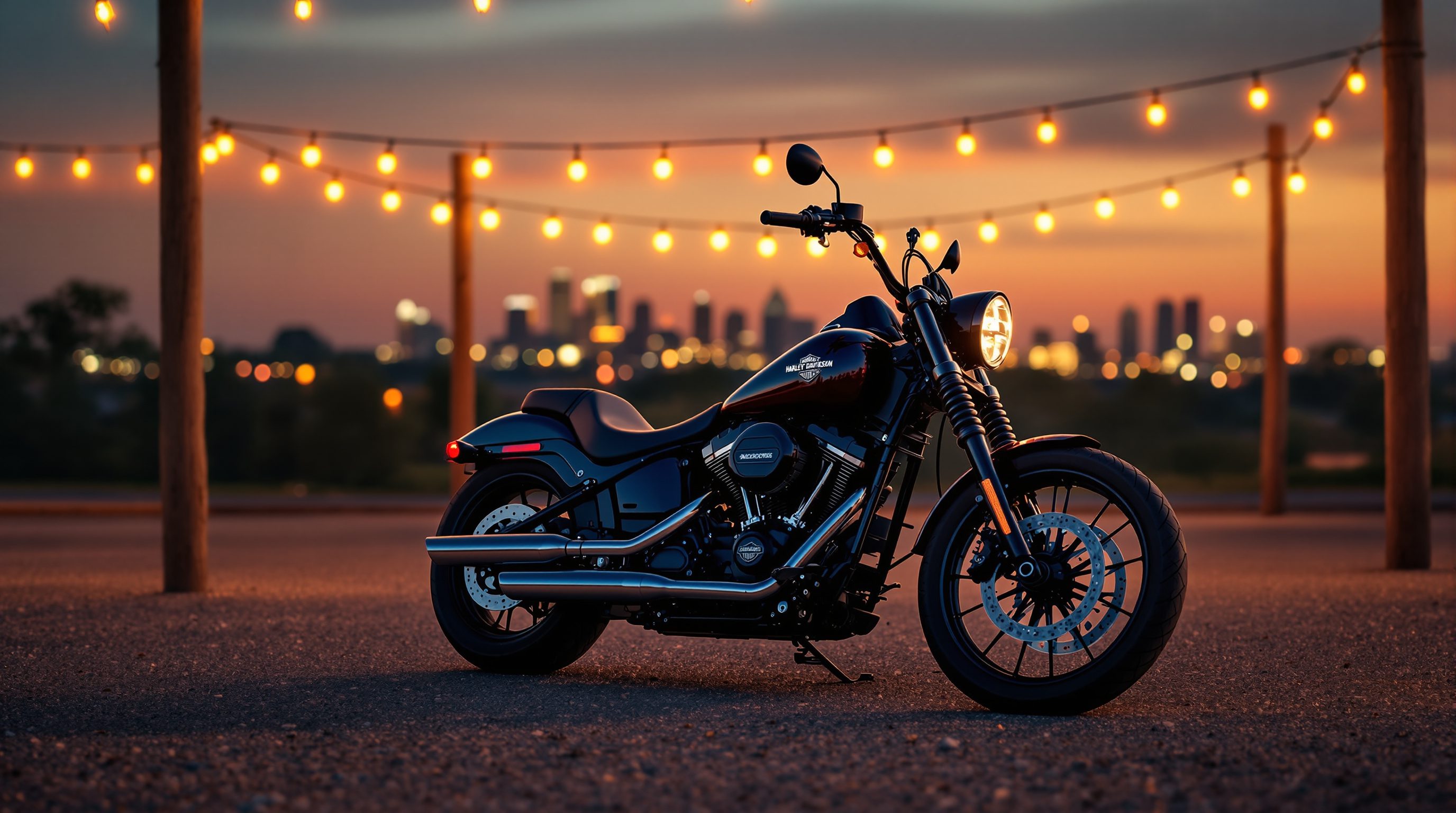
Bike Nights and Rider Events Around Tulsa and Green Country
Something shifts in Tulsa when the weather breaks. The rumble comes back to the parking lots on a weeknight, the group rides start forming up on Saturday mornings, and the first runs push out onto Route 66 and up into the Osage Hills. Winter scatters the riding community, and spring pulls it back together. If you are new to the area or new to riding, or you just spent the cold months in the garage, the return of bike night season is the best time to plug into the Green Country scene. Here is how it comes back to life and how to ride into it without getting hurt.
The Scene Wakes Up in Spring
The Tulsa and eastern Oklahoma riding community is bigger and friendlier than a newcomer expects, and it runs on a simple rhythm. Weeknight bike nights gather riders in a parking lot or at a shop to talk bikes, compare builds, and plan the weekend. Weekend meetups form up early and roll out to a destination. And once the season is on, the charity rides start, poker runs, memorial rides, and benefit runs that raise money for a cause and fill a route with hundreds of bikes. You do not need an invitation or a certain kind of motorcycle to belong. You need to show up, be friendly, and ride like someone people want to ride with again.
Where the First Runs Go
When the group finally points somewhere, the destinations are the same ones that make Green Country great riding country. The first easy runs roll out on historic Route 66, east toward Catoosa and Claremore or west through Sapulpa, all roadside Americana and relaxed miles. When riders want empty road and big sky, the group heads north into the Osage Hills and out toward the Tallgrass Prairie near Pawhuska. Grand Lake O' the Cherokees draws the lake crowd northeast toward Grove, and the ambitious runs push southeast to the Talimena Scenic Byway for a full day of ridgetop curves. Every one of these is a better ride in a group that knows how to move together, and a worse one in a group that does not.
Group-Ride Etiquette That Keeps Everyone Upright
A group ride is safer than a solo ride when it is run well and more dangerous when it is not, because now your safety depends on the riders around you. The unwritten rules exist for a reason.
- ✓ Ride staggered, not side by side. A staggered formation gives every rider a full lane and space to react, while riding handlebar to handlebar leaves nowhere to go when something happens up front.
- ✓ Hold your line and be predictable. Group riding is not the place for surprise moves, so keep your position, signal early, and let people trust where you will be.
- ✓ Know the hand signals and the road captain. A well-run ride has a lead and a sweep and a set of hand signals for hazards and turns, so learn them at the meetup before the group rolls.
- ✓ Ride your own ride. Never let the pace of the group push you past your own skill or comfort, because no one at the destination will care that you kept up if you went down trying.
- ✓ Leave the alcohol for after the kickstands are down. Bike nights and benefit runs often end somewhere social, and the only safe number of drinks before or during the ride is zero.
The Law Rides Along With You
A charity run feels like a party, but the moment the group is on the road, Oklahoma's rules apply exactly as they do any other day. This is an at-fault state with no no-fault coverage, so if a driver turns into the group at an intersection or drifts into a rider, that driver's insurance is on the hook, but the minimum liability limits of 25/50/25 can vanish fast when a crash involves more than one bike. Oklahoma follows modified comparative negligence with a 51 percent bar, so the same blame-shifting adjusters use against a solo rider they will use against a group, and your uninsured and underinsured motorist coverage is still your real backstop against the state's high uninsured-driver rate. If a ride does end in a crash, Oklahoma generally gives you two years to file an injury claim. None of that should keep you home. It is just the reason to carry good coverage and ride the season smart.
Build the Community, Ride It Safe
The best part of the Green Country riding scene is that it is real. The people you meet at a bike night become the people you ride with all summer, the ones who know the good roads and stop when someone is stranded on the shoulder. You do not build that by chasing a specific venue or a famous event, you build it by showing up consistently, riding well, and being the kind of rider others want in their formation. Spring is the doorway. Get the bike sorted, get your coverage checked, and go find your people out on the road.

Led by Tony Edwards, Edwards & Patterson in Tulsa fights for injured motorcyclists. Reach out to their Tulsa motorcycle injury attorneys anytime you need real answers.