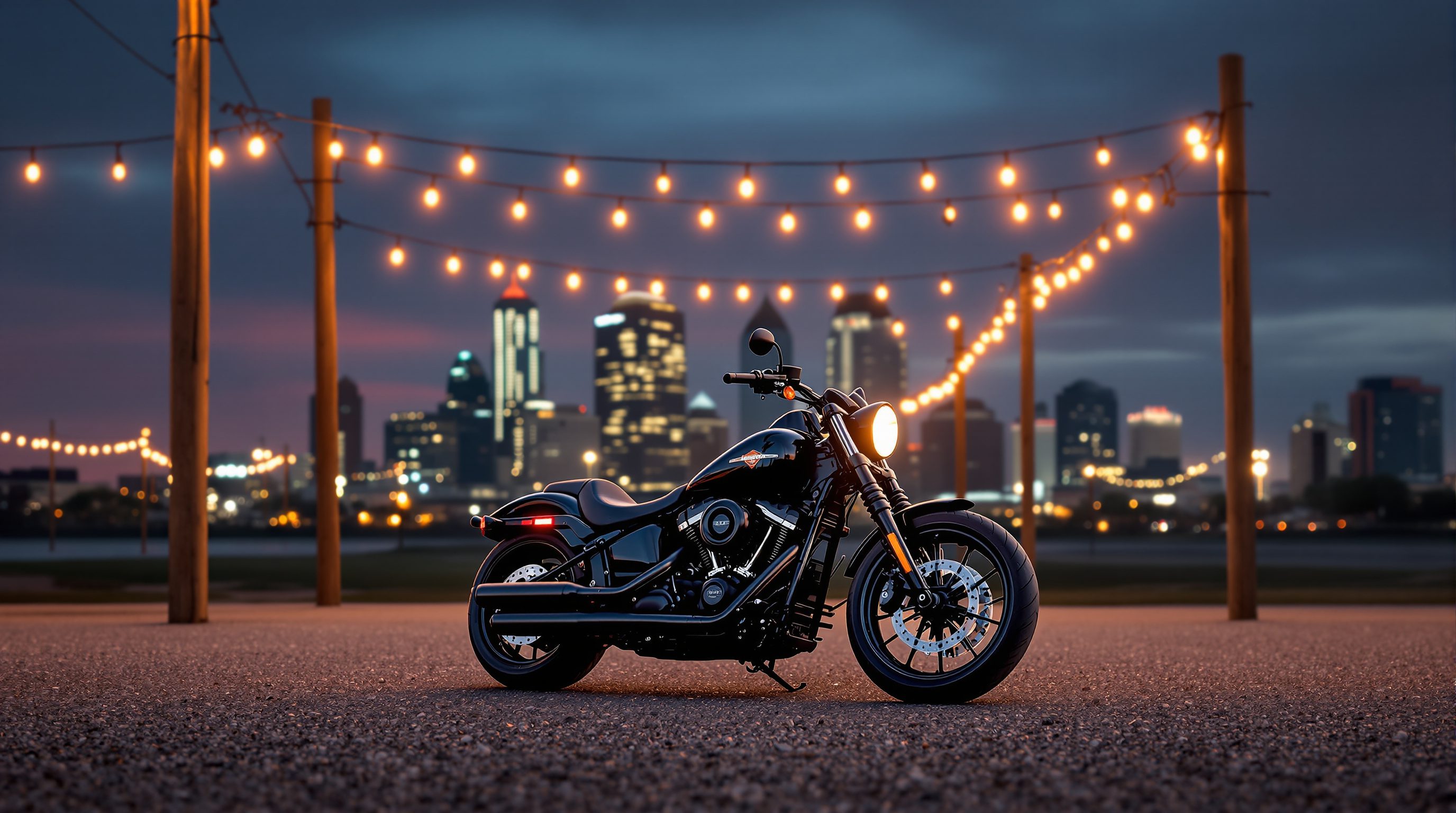
Winter Bike Nights and Rallies Around Dallas-Fort Worth
In a lot of the country, winter means the bike goes under a cover and the community goes quiet until spring. That is not how it works in North Texas. DFW winters are mild enough that plenty of riders never fully park it. A cold snap comes through, everybody hunkers down for a few days, and then a clear 60-degree afternoon shows up in the middle of January and the roads fill back up. Bike nights keep running, meetups keep happening, and the DFW riding community does not go into hibernation.
The DFW winter riding scene never really shuts down
The thing that keeps the community alive through winter is simple weather math. Texas does not get the long, brutal freeze that shuts riding down for months up north. DFW gets short cold spells broken up by mild, ridable days all winter long, so while the season slows, it never stops. The social side keeps its rhythm too. Bike nights at gathering spots around Fort Worth and Dallas keep drawing crowds when the weather cooperates, weekend meetups and coffee runs stay on the calendar, and charity rides cluster around the holidays. Winter riding here is less about big multi-day rallies and more about the steady local scene, the bike night you can get to after work and the Saturday meetup that turns into a short group ride when the sun comes out. Local rider groups and the shops you already buy gear from keep that calendar going year round.
Cold-weather riding is a different skill
The winter scene is real, but so is the cold, and riding in it well is a skill of its own. The riders who stay comfortable and sharp through a North Texas winter plan for the specific ways cold changes the ride.
- ✓ Dress in real layers, wind first. Cold-weather comfort is mostly about blocking wind, so layer up and add heated gear or grips, because a rider shivering on the freeway is a distracted rider.
- ✓ Respect cold tires and cold pavement. Tires need heat to grip and warm slowly on a cold day, so give the first few miles extra caution and take corners like the traction is not all there yet.
- ✓ Watch for morning ice and shaded patches. Bridges, overpasses on I-30 and I-820, and shaded curves hold ice and frost long after the open road has thawed.
- ✓ Plan for early darkness and glare. Winter days are short, so more riding happens in low light and low winter sun that blinds drivers to a motorcycle. Add reflective gear and clean, aimed lights.
- ✓ Know that cold saps you. Fatigue and cold slow your reactions without you noticing, so keep rides shorter, stop to warm up, and do not push a numb, tired body through one more hour.
Group-ride etiquette matters more in winter
Winter bike nights and meetups mean group rides, and a group ride in cold, low-light conditions asks more of everyone than a summer cruise. Ride in a staggered formation with real following distance, and open that distance up in the cold because stopping takes longer on cold tires and cold pavement. Ride your own pace, not the pace of the rider ahead, since chasing a faster friend into a shaded curve you cannot see is how winter group rides go wrong. Keep the group a size you can actually manage, agree on hand signals and a regroup plan before you roll out, and watch the rider behind you, because a rider dropped alone on a cold night is a rider in trouble. Never let the social pressure of the group push you past what the conditions allow. The best group riders are the ones who ride predictably and leave room for everyone else to react.
Texas law rides along with you, even at a bike night
No matter how good the scene is, the moment a car pulls out in front of a group leaving a bike night, Texas law decides how it ends. Texas uses modified comparative negligence with a 51 percent bar: more than half at fault and you recover nothing, half or less and your recovery is reduced by your share. Insurance companies work hard to pin blame on the rider, and a cold-weather or night crash gives them extra angles. Coverage is the other trap, because the state only requires drivers to carry 30/60/25, which is not much against a serious injury, and plenty of drivers carry only that or nothing. That is why your own uninsured and underinsured motorist coverage, which Texas insurers must offer, is a rider's real backstop. Check your policy in the off-season, not after a crash, and remember Texas gives you only two years from the crash to bring an injury claim.
Led by Manuel Diaz, Diaz Law Firm in Dallas-Fort Worth fights for injured motorcyclists. Reach out to their Dallas-Fort Worth motorcycle injury attorneys anytime you need real answers.