
Who Pays Your Medical Bills After a DFW Motorcycle Crash?
You go down on the Dallas North Tollway and get carried off by ambulance, and before the ER doctor finishes stitching you up, the real anxiety starts. Not the pain, the bill. A helicopter ride, a trauma team, a couple of surgeries, and weeks of therapy add up fast, and the driver who pulled out in front of you is nowhere to be found. So who actually pays for all of this?
The order of payment in Texas
Think of it as a stack. Different sources pay in a rough sequence, and knowing the sequence tells you where to turn first. Your own Personal Injury Protection or MedPay pays your medical bills no matter who caused the crash, with no deductible and no fault fight, so it is your fastest money. Texas insurers must offer PIP, usually starting at $2,500, unless you rejected it in writing. Once that runs out, your regular health insurance covers treatment just like it would any illness, subject to your deductible and copays. The at-fault driver comes last. Their liability insurer does not pay bill by bill. It pays one lump sum in a settlement or judgment, after your treatment is far enough along to know what the injury is really worth, which can be a year or more away.
Why you do not wait for the settlement to get treatment
The single most damaging thing a hurt rider can do is skip care while waiting for the other side to pay. First, your body pays for it. Injuries that could have been managed early turn into permanent problems, and a disc that needed prompt attention becomes a fusion. Second, your claim pays for it. Adjusters treat gaps in treatment as proof you were not really hurt. Miss a month between the ER and your first follow-up and they will argue something else caused your pain. You do not have to front the cash yourself either. Between PIP, health insurance, and providers who will treat on a letter of protection, there is almost always a way to get care now and settle the money later.
Hospital liens and subrogation
Two wrinkles catch riders off guard. Under the Texas hospital lien statute, a hospital that admits you within 72 hours of the crash can place a lien directly on your eventual settlement, so it gets reimbursed off the top before the rest reaches you. Those liens are limited to reasonable and regular charges and can often be challenged and reduced, but you cannot ignore them. Separately, your health plan will pay your bills but many plans expect to be paid back if you recover from the at-fault driver, a right called subrogation. Both are more negotiable than riders realize. Handled right, they get reduced and more of the settlement stays with you. Handled wrong, you can settle a case and watch most of it disappear repaying everyone else.
How the money actually flows
Here is the sequence on a serious DFW motorcycle claim, and missing any one step leaks money out of your recovery.
- ✓ PIP and MedPay fire first. No-fault, no deductible, fastest cash for early bills and even lost wages.
- ✓ Health insurance carries the middle. It absorbs the big treatment costs while your case builds.
- ✓ Providers can wait when needed. A letter of protection lets you treat now and pay from the settlement later.
- ✓ Liens and subrogation get negotiated down. Hospital liens and health-plan reimbursement claims are reduced before anyone is repaid.
- ✓ The at-fault driver reimburses at the end. Their liability coverage, plus your own UM and UIM if it applies, pays the full value in one settlement.
The DFW reality: not enough coverage to go around
There is a hard truth underneath all of this. Texas minimum liability is only 30/60/25, and a lot of North Texas drivers carry exactly that or nothing at all. A serious motorcycle injury blows through $30,000 in a single hospital stay. When the at-fault policy is too small to cover your bills, your own uninsured and underinsured motorist coverage becomes the backstop that actually pays. Knowing which policies exist, and stacking every available source, is how a rider with a five-figure ambulance bill still comes out whole.
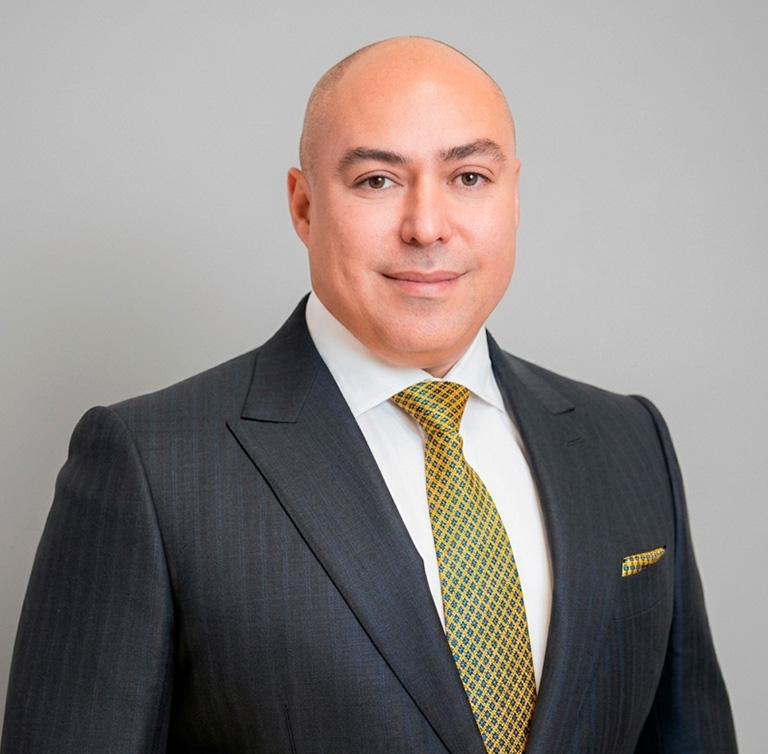
Manuel Diaz and the Dallas-Fort Worth motorcycle injury attorneys at Diaz Law Firm represent riders hurt by negligent drivers. If you have questions after a crash, their team is here to help.