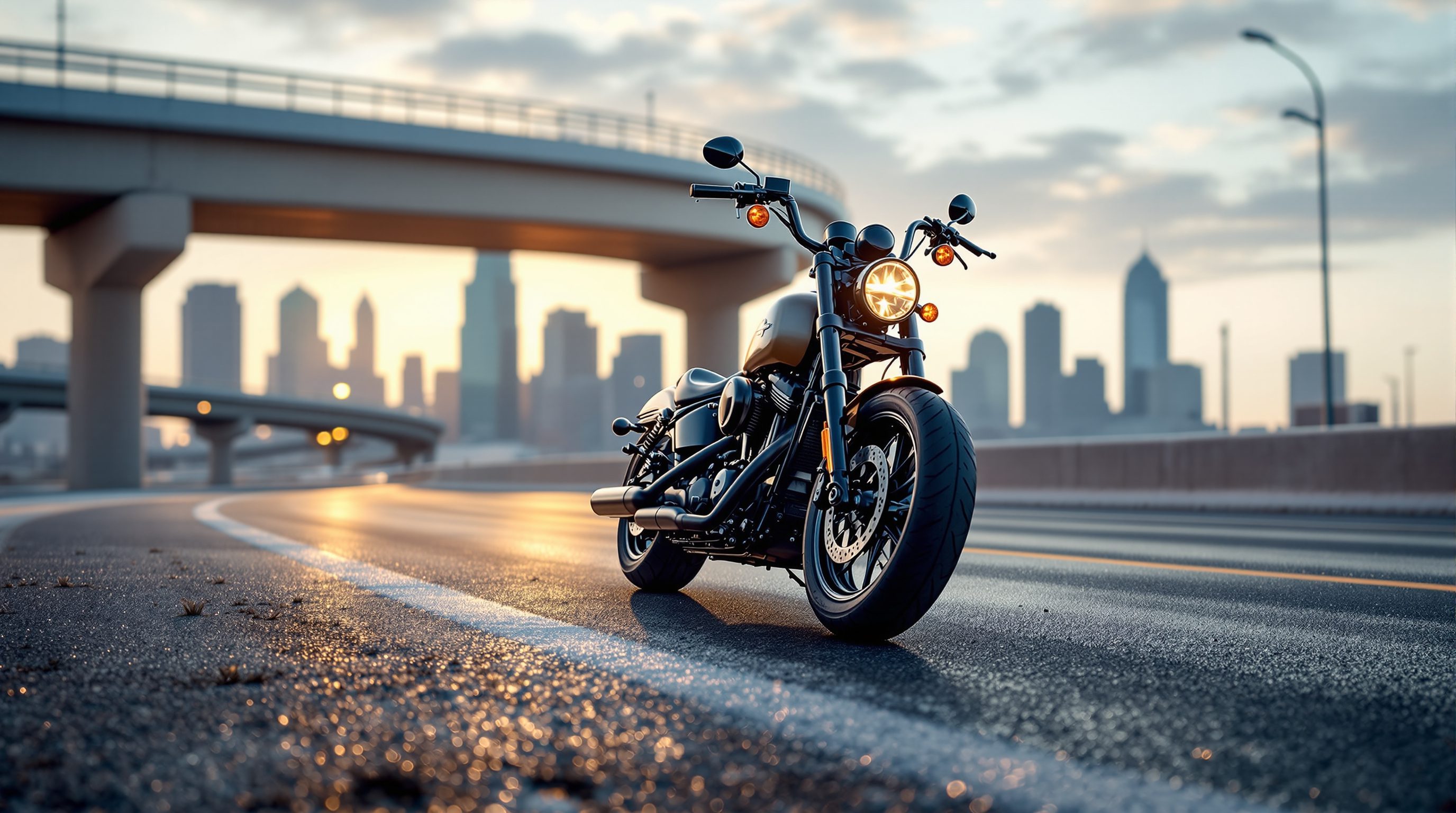
North Texas Ice Storms: Cold-Snap Motorcycle Safety in DFW
North Texas does not do winter the way the Midwest does. It does something worse for riders. It teases you with a 70 degree afternoon, lets you get comfortable, then drops a hard freeze and an ice storm on the same week. One Saturday you are cutting down the Dallas North Tollway in a hoodie. The next Tuesday the High Five is glazed over and every overpass in the metro is a sheet of black ice. That whiplash is exactly what catches DFW riders off guard.
Why the first cold snap catches Texas riders
Riders up north winterize and park by November. In DFW you can ride most of the winter, which is the trap. Because you can ride, you assume you can ride today, and a Texas cold snap does not give the long, obvious warning a northern winter does. It arrives fast, often overnight, and it hits the roads unevenly. The ground stays warmer than the air here, so the pavement in your neighborhood can be dry and grippy while the overpass a mile ahead is frozen solid. You cannot see that from your driveway. By the time the temperature reads 34 degrees on your dash, the bridges have likely been below freezing for hours.
Black ice on DFW overpasses
Elevated roadway is the real danger, and DFW is built on it. The High Five where US-75 meets I-635, the LBJ Express deck lanes, the stacks along I-30 and I-820, every flyover and frontage-road overpass in the metro freezes before ground-level pavement does. Cold air moves under and over an elevated deck, so it loses heat from both sides and ices first. Black ice is transparent; it looks like wet or even dry pavement right up until your tires find zero grip. On two wheels that is a low-side with almost no warning and no way to catch it. There is no counter-steer, no throttle roll, no save. The other overpass hazard is what road crews leave behind: the salt brine and sand they lay down to pre-treat bridges stays slick for a motorcycle even after the ice melts, and it collects right where you lean through a curved flyover ramp.
Cold tires do not grip
Even on clear, dry pavement, a hard freeze steals your traction before you ever reach ice. Motorcycle tires are built to work in a temperature window and need heat in the rubber to grip. On a 35 degree morning your tires may never reach operating temperature on a short ride, so the grip you trust in July simply is not there in January. That means longer stopping distances, less confidence in a lean, and a front end that can wash out under a hard input that would have been fine in warm weather.
When to just park it
The honest answer to cold-snap riding in DFW is that some days are not riding days, and knowing which is a skill. Use this as your park-it checklist.
- ✓ Any freeze warning or ice advisory. If North Texas is under one, the bike stays home. It is not worth it.
- ✓ Overnight lows near or below freezing. Even if the afternoon warms up, the overpasses may still be iced when you ride out in the morning.
- ✓ Wet pavement plus falling temps. Rain or drizzle ahead of a freeze is how black ice forms. Do not ride into it.
- ✓ You cannot warm the tires. A short cold-weather hop never lets the rubber reach grip temperature. Ride longer and gentler, or not at all.
- ✓ Fresh brine on the bridges. If crews have pre-treated the overpasses, that residue is slick for a bike. Wait for a clean, dry day.
When a crash is not just the cold
A slide on genuine black ice may be nobody's fault. But plenty of cold-weather DFW crashes are not really about the ice at all. A driver who blows a red light because they were sliding is still responsible for hitting you, and a driver going too fast for obvious icy conditions can carry legal fault for the crash that follows. Texas uses modified comparative negligence with a 51 percent bar: if you are more than 50 percent at fault you recover nothing, and below that your recovery is reduced by your share. Insurers love to blame the rider for even being out in the cold, so the fault fight matters. Do not let an adjuster write the whole thing off as a rider who should have known better without looking at what actually caused the wreck. And remember the clock: Texas gives you two years from the date of the crash to file most injury claims, and that deadline does not pause for the season.

Led by Manuel Diaz, Diaz Law Firm in Dallas-Fort Worth fights for injured motorcyclists. Reach out to their motorcycle accident lawyers in Dallas-Fort Worth anytime you need real answers.