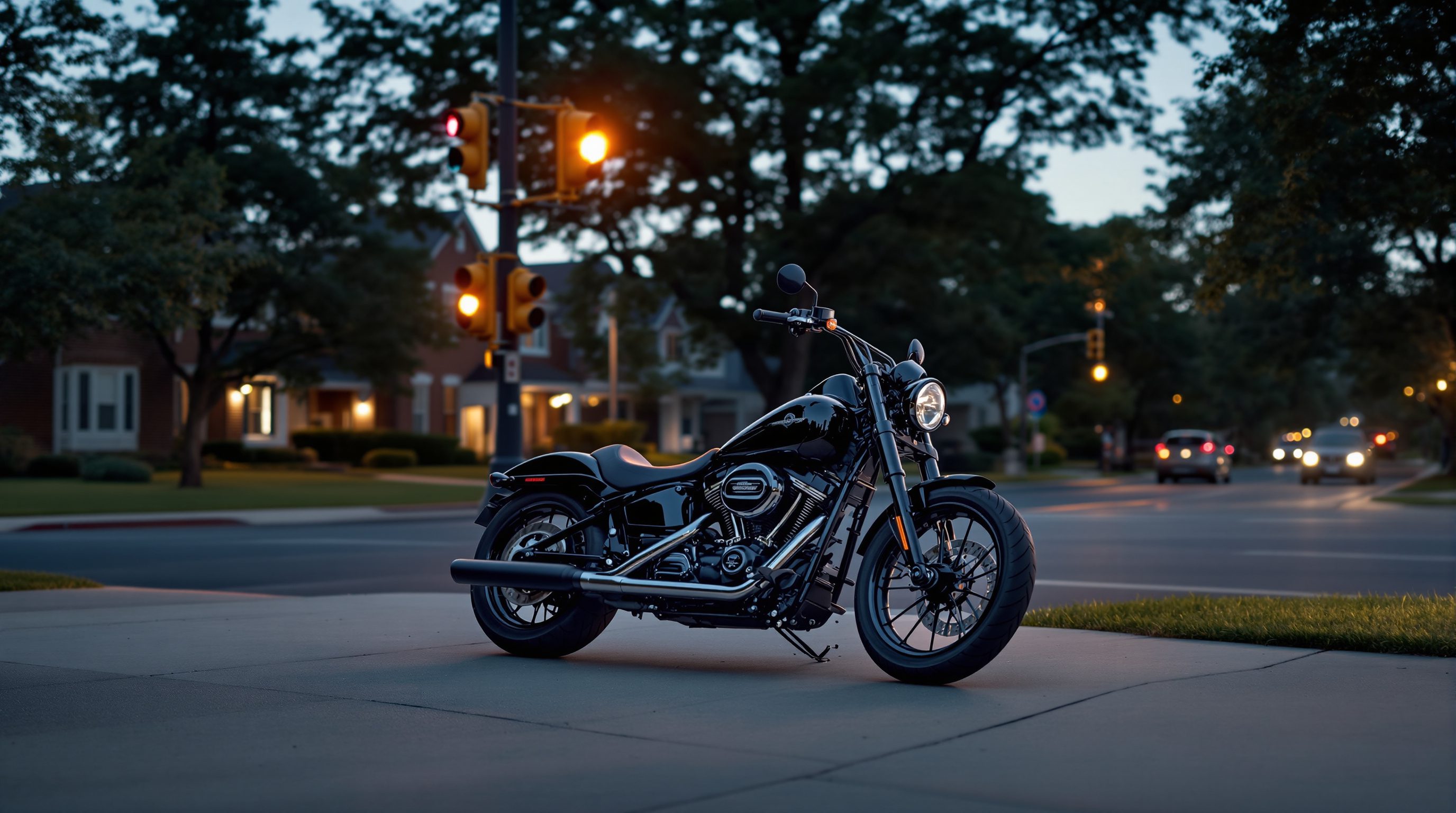
Left-Turn and Intersection Crashes in DFW: Proving the Other Driver's Fault
Ask any rider what scares them most and a lot of them describe the same thing without knowing it is the single most common motorcycle crash on the road. You are moving straight through a green light, a car in the oncoming lane turns left across your path, and there is nowhere to go. It happens at DFW intersections every day, on the access roads off I-635 LBJ and at the crossings along I-30. The driver climbs out and says the five words riders have heard a thousand times: "I never saw him."
Why "I never saw him" is the whole case
A left-turning driver has a duty to yield to oncoming traffic. When a car turns left in front of a rider who has the right of way, the turning driver has usually failed to yield, and failure to yield is a clear traffic violation that points fault squarely at them. That should be the end of it, but "I never saw him" quietly does two jobs at once. It sounds honest and sympathetic, and it plants the seed that the motorcycle was somehow hard to see, which is the first step toward blaming the rider. Not seeing a motorcycle is not a defense, because a driver is required to look for and yield to oncoming traffic, motorcycles included. Left unchallenged, though, that line can shift enough blame onto the rider to shrink or sink the claim.
The 51% bar is exactly what they are aiming for
Texas uses modified comparative negligence with a 51 percent bar. If a rider is found more than 50 percent at fault, they recover nothing, and at 50 percent or less the recovery is reduced by the rider's share. That is why the fault-shifting after a left-turn crash is not idle talk. Every percentage point the insurer pins on the rider is money off the claim, and past the bar they owe nothing. So the driver may have plainly failed to yield and the fight still becomes about the rider: Were you speeding? Was your headlight on? Was your gear dark? None of that excuses a driver who turned across your right of way, but each is an attempt to move your percentage up toward the bar. You beat those arguments with evidence that fixes the true story before anyone can rewrite it.
How fault actually gets proven at a DFW intersection
Intersections are some of the most heavily documented places on the road, so a left-turn crash that looks like your word against the driver's is often provable with hard evidence, if someone goes and gets it before it disappears. The theme running through all of it is time. Cameras overwrite, witnesses leave, and skid marks fade.
- ✓ Pull traffic and red-light camera footage. Many DFW intersections and nearby businesses have cameras on the crossing, but the footage is often overwritten within days.
- ✓ Grab nearby business and doorbell video. Gas stations, storefronts, and homes near the intersection capture angles no report describes, and it has to be requested fast before it loops over.
- ✓ Get independent witnesses. A neutral driver stopped at the light who saw the car turn across your path can outweigh anything the two involved parties say.
- ✓ Photograph the physical scene. Skid marks, debris, point of impact, and resting positions let a reconstruction show speed and right of way.
- ✓ Save the report and any citation. An officer who cites the driver for failure to yield hands you powerful evidence, though the report is a starting point, not the final word.
Why an attorney changes the math on a left-turn case
A left-turn crash looks like an easy win, and to the rider it feels obvious. But the case is decided by who controls the fault percentage, and the insurer starts working on that number the day of the crash. The adjuster who calls a few days later sounds helpful, yet the recorded statement they ask for is often the first move in the fault-shifting game, where a stray guess about your speed becomes an admission. Someone has to send the letters that preserve intersection footage before it loops, track down the witness who is already gone, and shut down the "he came out of nowhere" story before it hardens. In a 51 percent world, that work is often the difference between the driver's insurer paying what they owe and talking you into a fraction of it. And with only two years to file, waiting quietly ends valid cases.
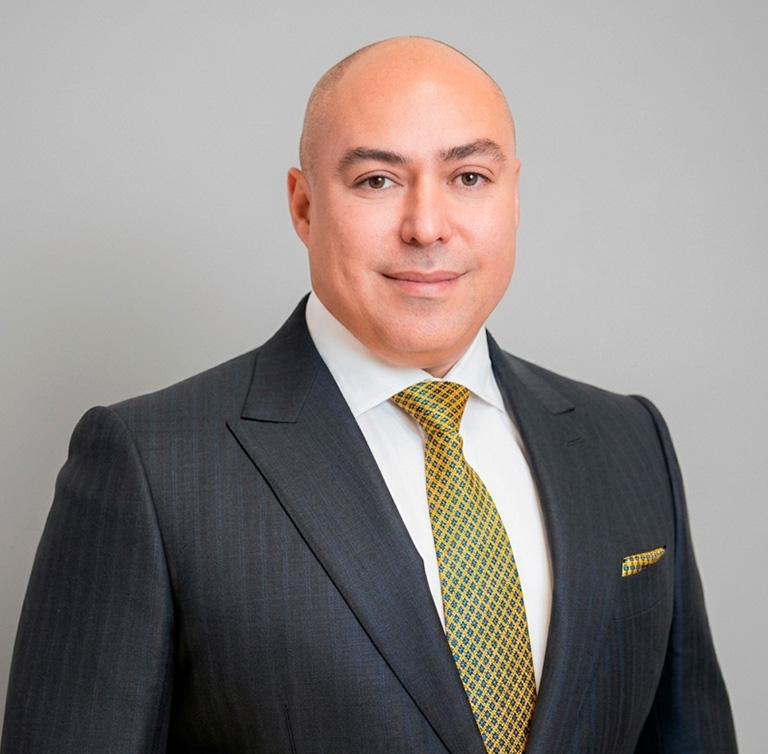
Manuel Diaz and the motorcycle accident lawyers in Dallas-Fort Worth at Diaz Law Firm represent riders hurt by negligent drivers. If you have questions after a crash, their team is here to help.