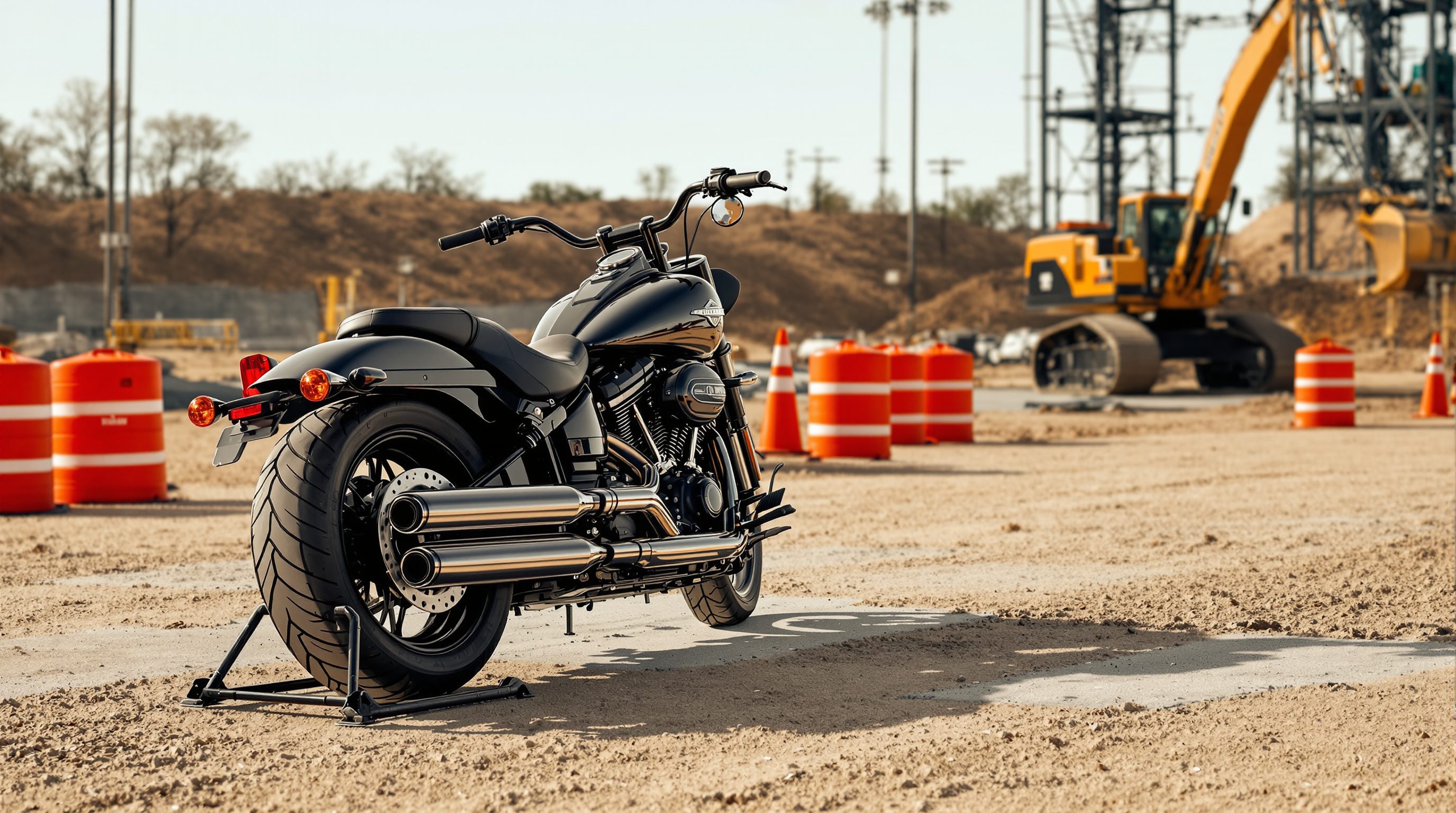
Construction Zones and Road Debris on DFW Highways: A Rider's Survival Guide
If it feels like the Metroplex has been one giant construction zone for your entire riding life, that is because it basically has. I-35E through Dallas and Denton, the endless rebuild of I-635 LBJ, the US-75 Central Expressway widenings, there is always a stretch torn up, coned off, and shifted around. In a car, a work zone is an annoyance. On a motorcycle, it is a minefield of loose gravel, pavement lips, and debris that can put you on the ground.
Why work zones are worse on two wheels
A car rides over what a bike falls on. That is the whole problem in one sentence. The hazards that define a DFW work zone are the exact hazards motorcycles are least able to absorb. Traffic is compressed and unpredictable in a construction stretch. Lanes narrow, cars merge late and hard, and drivers stare at cones instead of the motorcycle beside them. Add a distracted driver in stop-and-go work-zone traffic and you have the classic rear-end and blind-spot crash, just in a tighter, more dangerous space with concrete barriers where a shoulder used to be.
The specific hazards that drop riders
Know what you are looking at before you ride into it. These are the construction-zone hazards that actually put DFW riders down.
- ✓ Loose gravel and millings. Freshly ground or resurfaced pavement leaves a layer of loose stone, and it pools in exactly the line you want through a curve or an on-ramp. It is like riding on marbles.
- ✓ Uneven lane edges and pavement lips. When crews grind one lane and not the next, a raised edge runs along your path. Cross it at a shallow angle and your front wheel can catch and stand the bike up.
- ✓ Steel plates and grated surfaces. Temporary steel plates over trenches get glass-slick in rain and shift under traffic. Grated bridge decks squirm the bike even when dry.
- ✓ Sudden lane shifts. A work zone jogs the lane sideways behind a row of barrels, sometimes with faded or doubled-up striping that hides the real path. At speed, that surprise can run you into a barrier.
- ✓ Debris and dropped loads. Chunks of tire, lost cargo, construction material in the roadway. A two-by-four that a car straddles is a crash for a bike.
When the road itself is the problem
Here is what a lot of riders do not realize: a crash caused by a badly built or badly maintained work zone is not automatically your fault. Construction zones in Texas have to be set up and marked to recognized standards, and when they are not, someone may be legally responsible. A dangerous lip left unramped and unmarked, a lane shift with no warning signs, gravel never swept from a live lane, a missing barrier or sign, these are failures by a contractor, a subcontractor, or the government entity managing the project. If one of those failures caused your crash, the party responsible for the work zone may owe you. These claims get complicated fast, because a private contractor, a subcontractor, and a government agency may all be involved, and claims against a government entity in Texas carry their own shorter notice requirements that can arrive long before the general deadline.
When a truck or driver drops the hazard
The other liability path is the thing that hit you or that you hit. A truck that sheds debris because its load was not secured is responsible for what falls off; cargo has to be tied down, and a driver or company that lets material fall onto a DFW freeway can be on the hook for the crash it causes. Same with the driver who runs you into a barrier by merging blind, or who rear-ends you in compressed construction traffic. The construction setting does not erase their fault. It just adds a layer to sort out.
How Texas fault rules play into it
Expect the insurance company to argue you should have handled the hazard, that a careful rider would have avoided the gravel or the debris. That is the comparative-fault game. Texas uses modified comparative negligence with a 51 percent bar: if you are found more than 50 percent at fault you recover nothing, and below that your recovery is reduced by your share. So the fight is about proving the hazard was unreasonable and unmarked, not just that you were the one riding. Evidence wins that fight. If you can do it safely, photograph the pavement lip, the loose gravel, the missing sign, and the debris before the scene is cleaned up, and get the name off the contractor's signs and any truck involved. And watch the clock: Texas gives you two years for most injury claims, but a claim against a government entity managing a road project can require formal notice much sooner, so move early.

Manuel Diaz and the Dallas-Fort Worth motorcycle accident attorneys at Diaz Law Firm represent riders hurt by negligent drivers. If you have questions after a crash, their team is here to help.