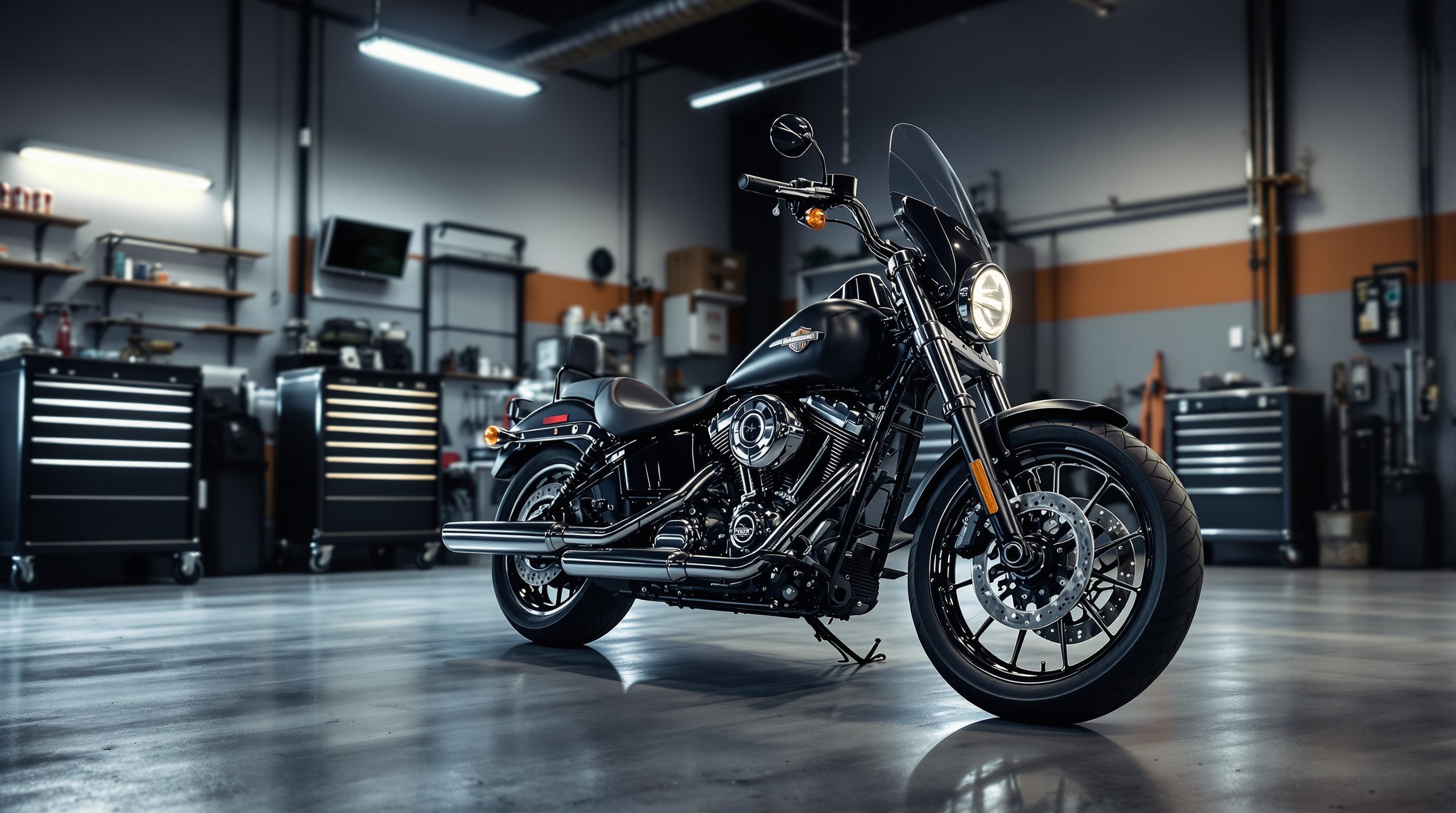
Total Loss: How Florida Insurers Value Your Wrecked Motorcycle
You went down on the 417 or got clipped on a Lake County backroad, and now the insurance company says your motorcycle is a total loss. Then comes the offer, and it is a fraction of what your bike was worth to you. The paint, the exhaust, the miles you put into it, none of that seems to be in the number.
What "Total Loss" Actually Means in Florida
A total loss is not about whether your bike still rolls. It is about money. Florida uses an 80 percent standard: under state law a motor vehicle is generally considered a total loss when the cost to repair it reaches 80 percent of its actual cash value before the crash. Hit that threshold and the insurer totals it instead of paying to fix it. Motorcycles cross that line easily, because a bike has no cage to absorb impact, so a crash that would be a fender bender for a car can bend a frame, crack a case, and blow past 80 percent in a hurry.
How Insurers Set Actual Cash Value
Actual cash value, or ACV, is supposed to be what your motorcycle was worth the moment before the crash: same year, make, model, mileage, and condition. In practice the insurer runs your bike through a valuation vendor and generates a report, and that report is only as good as what goes into it. It should reflect the correct year, make, model, and trim, your actual mileage, which matters a great deal on a motorcycle, real condition with a clean maintenance history, and local comparables from the Orlando and Central Florida market. Get any of these wrong and the ACV is wrong, and the offer is too low.
Where the Lowball Games Live
Insurers do not overpay by accident. Watch for these moves on a totaled motorcycle.
- ✓ Bad comparables. Using bikes with higher mileage, worse condition, or from cheaper markets far from Central Florida to drag the average down.
- ✓ Ignoring aftermarket parts. That exhaust, those bags, the custom seat and performance work. The base valuation captures none of it unless you document it.
- ✓ Leaving out your gear. A crash often destroys your helmet, jacket, gloves, and boots, and those real losses belong in the claim.
- ✓ Understating condition. Treating a meticulously maintained bike as average.
- ✓ A fast offer. The quick number that hopes you sign before you look at any of the above.
How to Fight a Lowball Total Loss Offer
You do not have to accept the first figure. Ask for the insurer's valuation report in writing and read every comparable and assumption. Pull your own comps, current listings for the same year, make, model, and mileage in the Orlando and Central Florida market. Document every upgrade with receipts and photos, add the gear the crash destroyed, and send maintenance history to correct a report that undersells the bike. A documented rebuttal is hard for an adjuster to ignore, and it is the single most effective way to move the number.
Salvage, Keeping the Bike, and Gap Insurance
When the insurer totals your motorcycle it normally pays the ACV and takes the bike to salvage, though you can often choose to keep it, with the salvage value subtracted from your payout and a salvage or rebuilt title going forward. Watch the financing trap too: bikes depreciate faster than loans pay down, so you may owe the lender more than the ACV, and the insurer's payment can leave you still owing on a wreck. Gap insurance covers exactly that difference. If you have it, use it. And remember the rest of your case, because if you were injured, Florida gives you two years to bring a claim and PIP will not cover you as a rider.

Led by Moe DeWitt, DeWitt Law Firm in Orlando fights for injured motorcyclists. Reach out to their Orlando motorcycle accident attorneys anytime you need real answers.