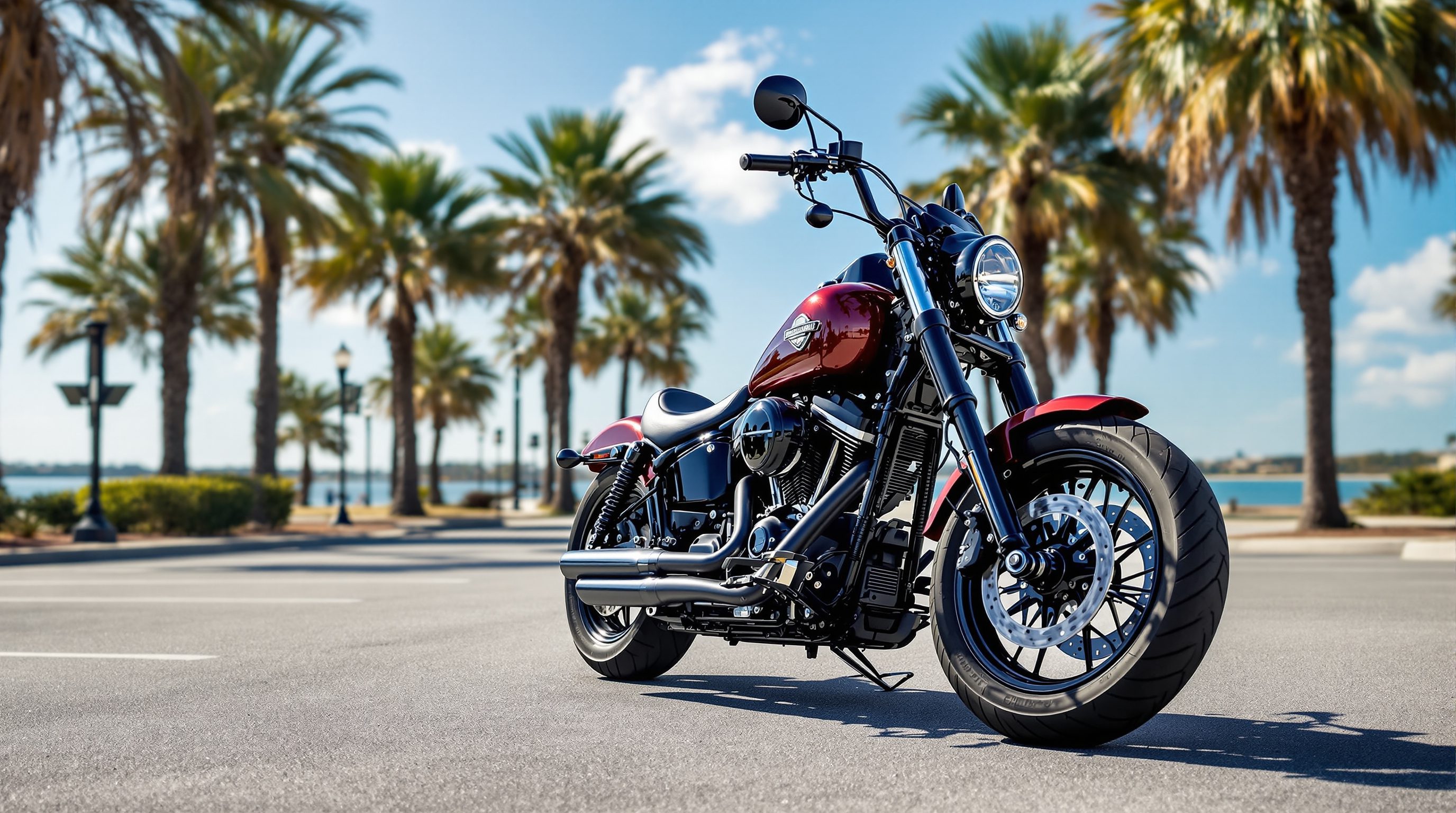
Snowbird and Tourist Season: Sharing Central Florida Roads on Two Wheels
Every winter Central Florida swells. From December through March the snowbirds arrive, the theme-park crowds peak, and the roads around Orlando fill with drivers who have never seen them before. They are trying to read I-4 signage at highway speed, guessing at the ramps on the 408, and drifting across the Beachline on their way to the coast. For a rider, a road full of unfamiliar, distracted, out-of-state drivers is a road full of people who are not looking for you. Snowbird season is beautiful riding weather and some of the trickiest traffic of the year. Here is how to share these roads on two wheels, and why an out-of-state driver at fault makes your own coverage matter even more.
Why winter traffic is different
The problem with snowbird season is not that the drivers are bad, it is that they are lost. A seasonal resident from the Midwest, a family from overseas in a rental car, a retiree who only drives these roads three months a year, none of them have the muscle memory a local does. They brake late for exits they almost missed, slow to a crawl while they hunt for a landmark, change three lanes at once to catch a ramp, and stop dead when the GPS surprises them. On top of that, they are watching for hotels, attractions, and street signs, which means they are not scanning for a motorcycle. Multiply that by a million extra drivers on the same interstates and expressways you ride every day, and the odds of someone doing something unpredictable right in front of you climb sharply. Winter also brings the best weather of the year, so more riders are out, which means the mistakes land on more of us.
I-4, the 408, and the Beachline in season
Central Florida's main arteries are hard enough for locals. In season they get genuinely chaotic. I-4 through the core is a maze of lane shifts and express-lane entrances that confuse people who drive it daily, let alone a first-timer. The 408 East-West Expressway is a toll road where unfamiliar drivers slam the brakes at gantries and fumble at the last second for exits to downtown or the parks. The Beachline, SR-528, is the pipeline out to Cocoa Beach and the Space Coast, so it fills with vacationers towing rentals and hauling gear who treat it like a scenic drive instead of a 70-mph highway. On all three, ride like the driver next to you might swerve for an exit without warning. Leave a big cushion, avoid riding in blind spots, keep your speed close to the flow instead of darting through gaps, and always know where your escape route is.
How to ride defensively around tourist drivers
You cannot fix another driver's confusion, but you can ride so their mistake does not become your crash. Winter riding rewards space, patience, and the assumption that nobody sees you.
- ✓ Own the left-turn threat at every intersection. Left-turning drivers cause more rider deaths than anything else, and a tourist misjudging your speed is the classic setup. Cover your brakes and watch the front wheels of any car waiting to turn.
- ✓ Assume the rental car will do the wrong thing. Sudden slowdowns, missed exits, and last-second lane changes are the season's signature moves. Give unfamiliar cars extra room and never sit where you cannot be seen.
- ✓ Watch for the brake-and-drift near ramps. On the 408 and I-4, drivers hunting for an exit brake hard and drift across lanes at once. Position yourself away from the gore points and merge zones where that happens.
- ✓ Make yourself impossible to miss. Daytime running gear, a bright jacket, lane position in the driver's mirror, and a covered brake. If they are not looking for you, be loud to the eye anyway.
- ✓ Give RVs and towing setups a wide berth. Big rentals and motorhomes have enormous blind spots and swing wide. Never linger alongside one, and pass decisively or hang back.
Left turns, distraction, and rental cars
The two winter hazards that put down the most riders are left turns and distraction, and tourist season amplifies both. A driver who does not know the road is a driver looking at signs, phones, and GPS instead of the traffic, and a distracted driver turning left across your lane is the exact crash that kills more motorcyclists than any other. Rental cars make it worse because the driver is unfamiliar not just with the road but with the car, its mirrors, and its blind spots. Ride the winter months treating every oncoming car at an intersection as a potential left turn, every slow car ahead as a potential sudden stop, and every rental plate as a driver who is not fully in the moment. It is exhausting, and it is also what keeps you upright when the season's traffic is at its worst.
Why an out-of-state at-fault driver makes UM/UIM matter
Here is the legal reality that catches injured riders off guard. In Florida, PIP does not cover motorcyclists, so after a crash your own no-fault coverage pays nothing toward your medical bills or lost wages. Florida also does not require ordinary drivers to carry any bodily-injury liability coverage. Now add the winter twist: a huge share of at-fault drivers this time of year are from out of state, in rental cars, or carrying minimum coverage from somewhere else entirely. When the driver who hits you is uninsured, underinsured, or from another state with thin coverage, chasing their policy can be a dead end, and the uninsured and underinsured motorist coverage on your own policy becomes your real source of recovery. Since 2023, Florida runs on modified comparative negligence with a 51 percent bar, so if you are pushed past half the fault you recover nothing, and the deadline to file has dropped to two years. Insurers will happily argue a rider was at fault to shrink the payout, which is why the coverage you carry and the way you document the crash both matter enormously.
Led by Moe DeWitt, DeWitt Law Firm in Orlando fights for injured motorcyclists. Reach out to their motorcycle accident lawyers in Orlando anytime you need real answers.