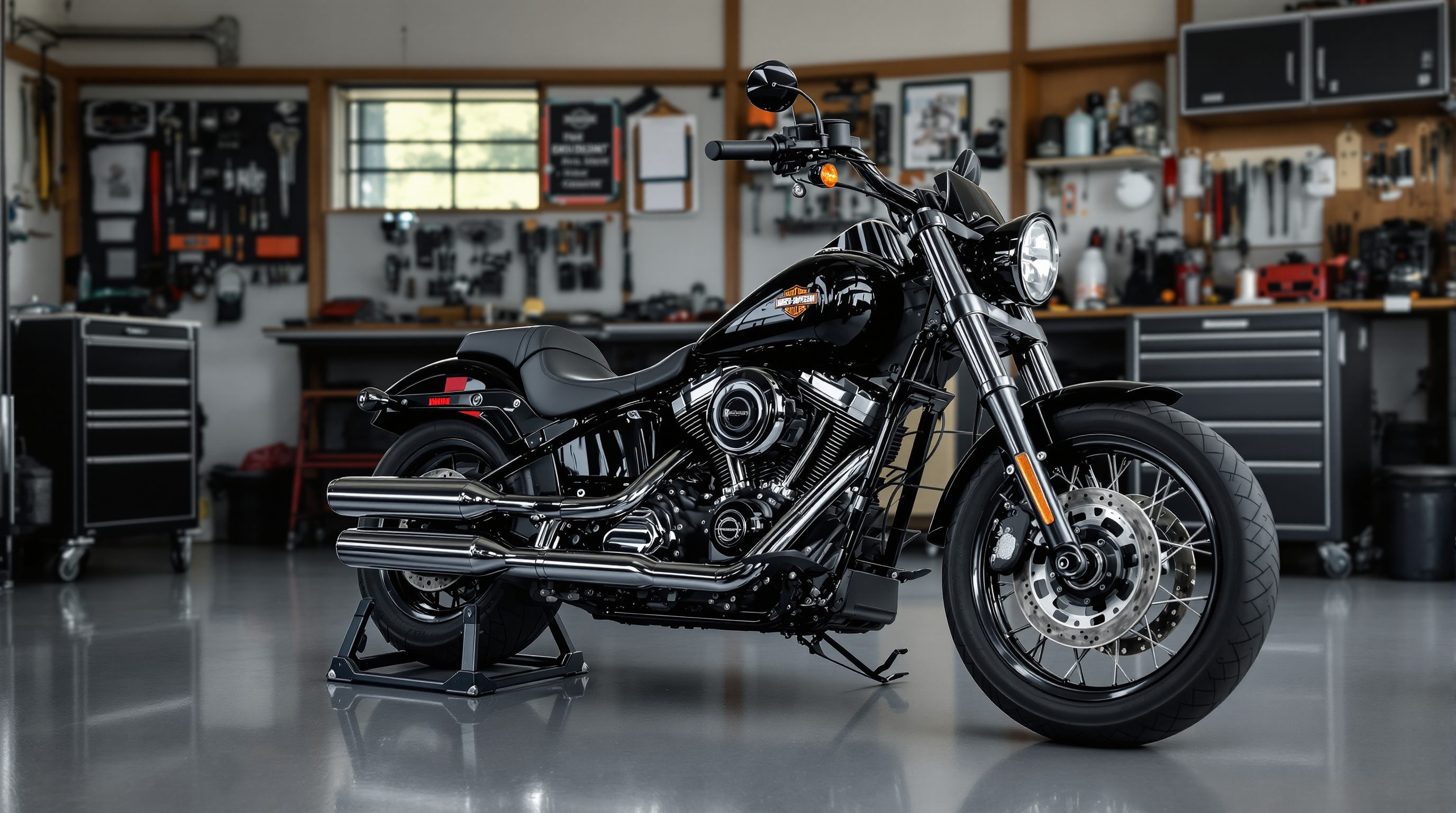
Peak-Season Ready: The Central Florida Rider's Pre-Ride and Bike Checklist
Central Florida riders never really put the bike away. We ride through January the same as July, so we do not get the natural reset that a spring thaw forces on riders up north. That is a blessing and a trap. The bike is always ready to roll, so the once-a-year going-over that catches worn tires, a tired battery, and dragging brakes never quite happens. Bike Week and the busy spring season are the perfect excuse to fix that.
Start With T-CLOCS
The Motorcycle Safety Foundation's T-CLOCS inspection is the backbone of any pre-season check because it is a simple order of operations you can run in a few minutes: Tires and wheels, Controls, Lights and electrics, Oil and fluids, Chassis, and Stands. Work through it the same way every time and you stop relying on memory. A peak-season pass is just a slower, more thorough version of the walk-around you should already be doing before every ride, with a closer look at the parts that wear silently over a year of Florida miles.
Tires and Pressure in the Heat
Tires are the two patches of rubber holding you to the road, so they lead the list. Check tread depth and look for cupping, dry cracks, and embedded debris, because Florida sun and heat age rubber faster than cold climates do. Pressure is where Central Florida riders get caught. Air pressure rises and falls with temperature, roughly one PSI for every ten degrees, and our swings from a cool morning to a blazing afternoon are large. Set pressure cold, against the number on your bike rather than the max stamped on the tire, and recheck it as the season warms. Hot pavement plus an underinflated tire is how a slow handling problem becomes a blowout on the Beachline.
Battery in the Humidity
Heat is harder on batteries than cold, and Florida humidity does not help. A battery that cranked fine all winter can fail without warning once the temperature climbs. Check that terminals are clean and tight, that the battery is held down securely, and test the charge if you can. Replacing a marginal battery in your garage is a ten-minute job. Discovering it dead at a Mount Dora gas station on a group ride is a wasted afternoon.
Brakes, Chain, and Drive
Your ability to stop is worth as much as your ability to go. Run through the wear items that keep the bike controllable.
- ✓ Brake pads and fluid. Check pad thickness front and rear and look at the fluid level and color. Spongy levers or dark fluid mean attention before the busy season, not during it.
- ✓ Chain and sprockets. Clean, lube, and set chain slack to spec, and eyeball the sprocket teeth. Florida rain and road grime strip lube fast, so a dry chain is common here.
- ✓ Lights, signals, and horn. Confirm the headlight on both beams, brake light, turn signals, and horn all work. On a bike, being seen is survival, especially at Orlando's busy intersections.
- ✓ Controls and cables. Work the throttle, clutch, and brakes through their full range and feel for binding, fraying, or slack that crept in over the year.
- ✓ Fluids and leaks. Check oil and coolant levels and look under the bike for fresh drips before you trust it on a long run.
Gear for Sun, Heat, and Afternoon Storms
Riding all year in Central Florida means dressing for the climate we actually have, not the one in the gear catalog. The heat is a safety issue, not just a comfort one, because a dehydrated, overheated rider makes slower decisions. Choose ventilated, abrasion-resistant gear that keeps you protected without cooking you, and hydrate before and during long rides rather than waiting until you feel it. Then plan for the sky. Central Florida afternoons in the warm months bring fast, heavy thunderstorms that turn oil-slicked pavement into a skating rink in minutes. Keep packable rain gear with you, respect that the first few minutes of rain are the most slippery, and be honest about when it is time to pull off and wait one out. Peak season is also when the sun sits low and blinding at the times a lot of riders are on the road, so a clear visor and good eye protection earn their place.
The Re-Check Riders Skip: Your Insurance
A pre-season tune-up is not only about the machine. It is the best time of year to pull your policy and read it before you need it, because in Florida the coverage on that page is what stands between a crash and a financial hole. Two lines matter most for a rider. First, Florida PIP does not cover motorcycles, so the automatic medical coverage a car driver leans on is not there for you. Second, Florida does not require drivers to carry any bodily injury liability, and a large share carry none, so uninsured and underinsured motorist coverage on your own policy is often the only thing that will actually pay your bills after someone else hits you. Confirm you carry UM/UIM and that the limits are high enough to matter, because a single surgery blows past a minimum in a hurry. If you ride without a helmet under Florida's 21-and-over rule, remember that exemption requires at least 10,000 dollars in medical coverage, so verify you actually have it. Doing this in February, calm and unhurried, beats discovering a gap from a hospital bed.
Moe DeWitt and the Orlando motorcycle accident attorneys at DeWitt Law Firm represent riders hurt by negligent drivers. If you have questions after a crash, their team is here to help.